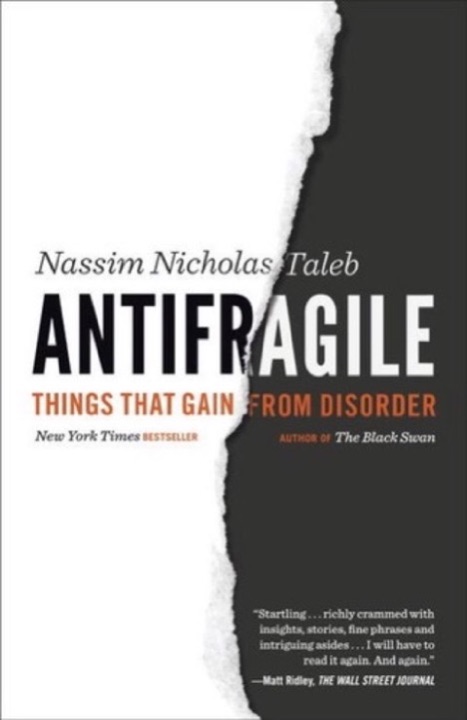
Antifragile: Things That Gain from Disorder
Applying the lessons from Nassim Nicholas Taleb's "Antifragile" to your life can enhance your ability to thrive amidst uncertainty and change. Here are some ways you might integrate these concepts into your personal and professional life:
-
Embrace Uncertainty: - Given your experiences with near-death situations and your belief in living life fully, you can further embrace uncertainty by seeking out new challenges and opportunities that push you out of your comfort zone. This could include finally trying skydiving, which you've always wanted to do.
-
Barbell Strategy: - Apply the barbell strategy by balancing your life between safe, stable activities (like spending time with family and exercising) and more adventurous pursuits (like flying and traveling). This approach can help you maximize enjoyment and growth while minimizing potential downsides.
-
Optionality: - Keep your options open in both personal and professional decisions. This might involve exploring new hobbies or career opportunities that align with your interests in technology and social issues, allowing you to capitalize on unexpected opportunities.
-
Skin in the Game: - Continue to ensure that your actions and decisions reflect your core values of kindness and empathy. Having personal stakes in your decisions, especially in your advocacy work, can enhance your commitment and impact.
-
Via Negativa: - Simplify your life by removing unnecessary stressors or commitments. Focus on what truly matters to you, such as family, personal growth, and meaningful work, and eliminate distractions that don't align with your values.
-
Lindy Effect: - Prioritize practices and beliefs that have stood the test of time, such as your commitment to kindness and empathy. These enduring values can guide you through life's challenges and help you maintain a sense of purpose.
-
Hormesis: - View challenges and stressors as opportunities for growth. Your resilience and humor can help you navigate difficult situations, turning them into catalysts for personal development.
By integrating these antifragile principles into your life, you can continue to grow and thrive, using life's uncertainties as opportunities for improvement and fulfillment.
What the book covers
"Antifragile: Things That Gain from Disorder" by Nassim Nicholas Taleb is a thought-provoking exploration of how systems, individuals, and organizations can thrive in the face of uncertainty, volatility, and chaos. Taleb introduces the concept of antifragility, which goes beyond resilience or robustness. While resilient systems resist shocks and stay the same, antifragile systems actually improve and grow stronger when exposed to stressors, shocks, volatility, noise, mistakes, faults, attacks, or failures.
Key Concepts:
-
Antifragility vs. Fragility: - Fragile: Systems that are harmed by volatility and disorder. - Robust: Systems that resist shocks but remain unchanged. - Antifragile: Systems that benefit and grow from disorder and chaos.
-
Barbell Strategy: - This strategy involves avoiding the middle ground and instead balancing between two extremes: one very safe and one very risky. This approach minimizes potential losses while maximizing potential gains.
-
Optionality: - Antifragile systems thrive on optionality, which means having multiple options and pathways to take advantage of positive outcomes from random events.
-
Skin in the Game: - Taleb emphasizes the importance of having personal stakes in the outcomes of decisions. This concept ensures accountability and aligns interests.
-
Via Negativa: - The idea that subtracting or removing elements (such as reducing complexity or eliminating negative influences) can be more beneficial than adding new elements.
-
Lindy Effect: - The longer something non-perishable has survived, the longer it is likely to continue to survive. This concept applies to ideas, technologies, and institutions.
-
Hormesis: - A biological concept where exposure to small doses of a harmful agent can lead to beneficial effects on an organism, analogous to how antifragile systems benefit from stressors.
Key Takeaways and Lessons:
-
Embrace Uncertainty: Instead of fearing uncertainty and chaos, find ways to benefit from them. Build systems and strategies that are antifragile.
-
Diversification and Flexibility: Use the barbell strategy to balance safety and risk. Maintain flexibility and adaptability to capitalize on unexpected opportunities.
-
Focus on Optionality: Keep options open and avoid commitments that limit future choices. This increases the ability to exploit favorable outcomes.
-
Accountability and Ethics: Ensure that decision-makers have skin in the game to promote ethical behavior and better decision-making.
-
Simplification and Subtraction: Often, removing elements or reducing complexity can lead to better outcomes than adding more.
-
Learn from History: Pay attention to the Lindy Effect and prioritize ideas and practices that have stood the test of time.
-
Stress as a Catalyst for Growth: Like hormesis, small stressors can strengthen systems. Encourage challenges that lead to growth and improvement.
Overall, "Antifragile" encourages readers to rethink how they approach risk, uncertainty, and change. By adopting antifragile principles, individuals and organizations can not only withstand the inevitable disruptions of life but also use them as opportunities for growth and improvement.