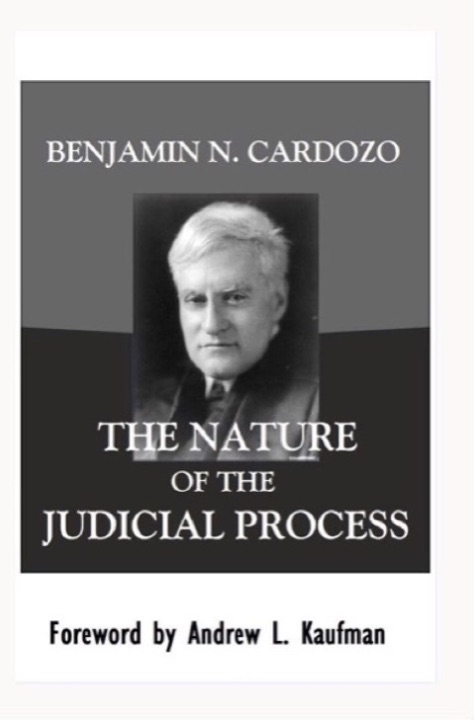
The Nature of the Judicial Process
Applying the lessons from Benjamin N. Cardozo's "The Nature of the Judicial Process" to your life can offer valuable insights into decision-making, personal growth, and navigating complex situations. Here are some ways you might integrate these lessons:
-
Judicial Creativity and Personal Growth: - Just as judges engage in creative interpretation of the law, you can approach life's challenges with creativity and adaptability. Embrace the idea that your decisions and actions shape your life's path, much like how judges shape the law.
-
Balancing Precedent and Progress: - In your personal and professional life, balance the wisdom of past experiences (precedent) with the need to adapt and grow (progress). This can help you make informed decisions while remaining open to change and innovation.
-
Interdisciplinary Approach: - Cardozo emphasizes the importance of philosophy, history, tradition, and sociology in judicial decision-making. Similarly, you can draw from diverse fields and experiences to enrich your understanding and approach to life's challenges, whether in your career, personal relationships, or hobbies.
-
Social Responsibility: - Consider the broader impact of your actions on society, much like how judges consider the social implications of their rulings. Your involvement in activism and advocacy work reflects this principle, and you can continue to strive for positive social change in your endeavors.
-
Complexity of Legal Reasoning and Personal Reflection: - Recognize the complexity of decision-making in your life. Just as judges navigate conflicting sources of law, you can navigate conflicting emotions, values, and priorities. Reflect on your experiences, learn from failures, and use them as opportunities for growth.
-
Embracing Change and Uncertainty: - Cardozo's work highlights the dynamic nature of the law. Similarly, embrace change and uncertainty in your life. Your resilience and ability to adapt to new situations, as demonstrated in your personal anecdotes, can help you navigate life's unpredictability.
-
Philosophical Reasoning: - Use philosophical reasoning to explore and resolve complex personal dilemmas. Your admiration for thinkers like Marcus Aurelius and Socrates aligns with this approach, encouraging you to apply philosophical insights to your daily life.
-
Historical Context and Personal History: - Understanding the historical context of laws helps judges make informed decisions. Similarly, reflecting on your personal history and experiences can provide valuable context for your current decisions and future aspirations.
By integrating these lessons into your life, you can enhance your decision-making process, foster personal growth, and contribute positively to society, all while staying true to your core values of kindness and empathy.
What the book covers
"Judicial Process" by Benjamin N. Cardozo is a seminal work that explores the nature and function of judicial decision-making. Cardozo, who served as an Associate Justice of the U.S. Supreme Court, provides a detailed analysis of how judges interpret and apply the law, offering insights into the philosophical and practical aspects of the judicial process.
Summary:
-
The Nature of the Judicial Process: - Cardozo begins by examining the role of judges in the legal system. He argues that judges do not merely apply the law mechanically but engage in a creative process that involves interpretation and judgment. - He discusses the balance between adhering to precedent (stare decisis) and adapting the law to meet contemporary needs.
-
Sources of Law: - Cardozo identifies four primary sources that influence judicial decisions: statutes, precedents, customs, and the principles of justice, morals, and social welfare. - He emphasizes the importance of these sources in guiding judges, while also acknowledging that they can sometimes be in conflict.
-
The Method of Philosophy: - The book delves into the philosophical underpinnings of judicial decisions. Cardozo suggests that judges often rely on philosophical reasoning to resolve complex legal issues. - He discusses the role of logic and rationality in the judicial process, while also recognizing the limits of purely logical reasoning in legal contexts.
-
The Method of History: - Cardozo highlights the historical method as a crucial tool for judges. Understanding the historical context of laws and legal principles helps judges interpret them more effectively. - He argues that history provides a framework for understanding how laws have evolved and how they should be applied in modern times.
-
The Method of Tradition and Sociology: - Tradition and societal norms play a significant role in shaping judicial decisions. Cardozo explores how judges consider societal values and customs when making rulings. - He also discusses the influence of sociology on the law, suggesting that judges must be aware of the social implications of their decisions.
-
The Method of Sociology: - Cardozo emphasizes the importance of considering the social consequences of judicial decisions. He argues that judges should be mindful of how their rulings affect society and strive to promote social welfare.
Key Takeaways and Lessons:
-
Judicial Creativity: Judges are not mere arbiters of the law; they play an active role in shaping it. Their decisions involve creativity and interpretation, balancing legal principles with contemporary societal needs.
-
Balancing Precedent and Progress: While precedent is important for legal stability, judges must also be willing to adapt the law to address new challenges and reflect evolving societal values.
-
Interdisciplinary Approach: Effective judicial decision-making requires an interdisciplinary approach, incorporating philosophy, history, tradition, and sociology to understand and apply the law comprehensively.
-
Social Responsibility: Judges have a responsibility to consider the broader social impact of their decisions, ensuring that the law serves the public good and promotes justice.
-
Complexity of Legal Reasoning: Legal reasoning is complex and multifaceted, requiring judges to navigate conflicting sources of law and reconcile them with ethical and social considerations.
Cardozo's "Judicial Process" remains a foundational text for understanding the intricacies of judicial decision-making and the dynamic nature of the law. It offers valuable insights for legal scholars, practitioners, and anyone interested in the philosophy and practice of law.