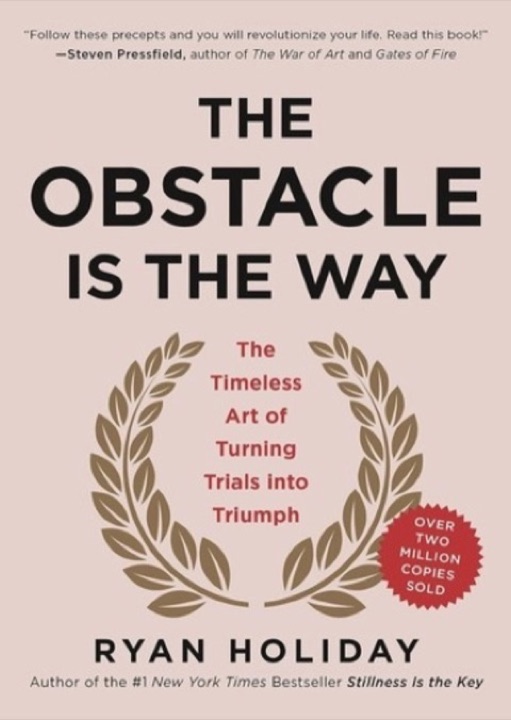
The Obstacle is the Way
Applying the lessons from "The Obstacle is the Way" by Ryan Holiday to your life can be a transformative process, especially given your rich experiences and personal philosophy. Here’s how you might integrate the book’s teachings into your life:
Perception
-
Objective Judgment: Given your experiences with near-death situations and your belief in reincarnation, you already have a unique perspective on life. Continue to cultivate this objectivity by assessing challenges without emotional bias. For instance, when facing societal regression or personal setbacks, try to view them as opportunities for growth and understanding.
-
Control Your Emotions: Your ability to remain calm in emergencies is a testament to your emotional control. Apply this skill to everyday situations, especially when dealing with controversial issues or political discussions. This will help maintain clarity and foster constructive dialogue.
-
Practice Objectivity: Use your belief in kindness and empathy to detach from immediate emotional reactions. When encountering differing viewpoints, especially those you find abhorrent, strive to understand the broader context and underlying motivations.
Action
-
Get Moving: Your proactive nature is evident in your daily routine and activism. Continue to take decisive actions, whether it’s pursuing your dream of skydiving or advocating for social issues. Small steps can lead to significant progress.
-
Iterate and Persist: Your resilience and persistence are your superpowers. Embrace failures as learning opportunities, much like your past experiences have shown. When facing obstacles, try different approaches until you find a solution.
-
Follow the Process: Break down your goals, such as living in the moment or achieving societal equality, into manageable steps. Focus on the journey rather than the destination, which aligns with your belief in being present.
Will
-
Build Inner Strength: Your life experiences have already cultivated a strong inner fortitude. Continue to develop this resilience by embracing challenges and viewing them as opportunities for personal growth.
-
Accept What You Can’t Change: Your acceptance of life’s unpredictability, such as your father’s passing, reflects this principle. Focus on what you can control, like your actions and responses, and let go of what you cannot.
-
Prepare for Adversity: Your readiness for emergencies is commendable. Apply this preparedness to other areas of life by anticipating potential challenges and mentally preparing for them. This will help you face difficulties with composure.
Key Takeaways and Lessons
- Perception Shapes Reality: Continue to view obstacles as opportunities for growth. Your belief in kindness and empathy can transform challenges into meaningful experiences.
- Action is Essential: Keep taking proactive steps towards your goals and dreams, such as skydiving or advocating for social change.
- Resilience is Key: Your resilience has been a guiding force in your life. Use it to endure and overcome new challenges.
- Embrace the Process: Focus on the journey and the lessons learned along the way, rather than solely on the outcomes.
- Learn from History: Your admiration for historical figures like Marcus Aurelius and Winston Churchill can inspire you to overcome obstacles with resilience and humor.
By integrating these principles into your life, you can continue to grow and thrive, turning obstacles into stepping stones for personal and professional development.
What the book covers
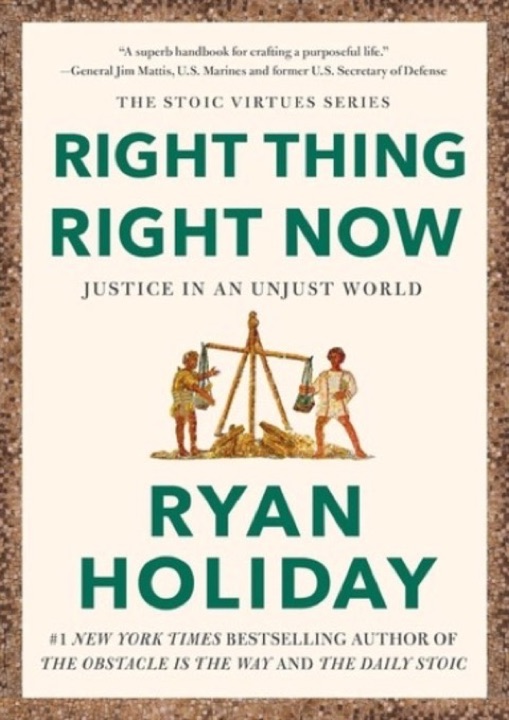
"The Obstacle is the Way" by Ryan Holiday is a modern interpretation of Stoic philosophy, particularly drawing from the teachings of Marcus Aurelius, Seneca, and Epictetus. The book is structured around the idea that the challenges and obstacles we face in life can be transformed into opportunities for growth and success. Holiday uses historical anecdotes and practical advice to illustrate how embracing obstacles can lead to personal and professional development.
Summary:
Part One: Perception
- Objective Judgment: Holiday emphasizes the importance of seeing things as they are, without letting emotions cloud judgment. By maintaining objectivity, we can better assess situations and make rational decisions.
- Control Your Emotions: The book stresses the need to manage emotions, suggesting that emotional responses often exacerbate problems. By controlling our reactions, we can maintain clarity and focus.
- Practice Objectivity: Holiday encourages readers to detach from their immediate feelings and view situations from a broader perspective. This helps in understanding the true nature of obstacles.
Part Two: Action
- Get Moving: Action is crucial in overcoming obstacles. Holiday argues that taking decisive steps, even small ones, can lead to progress and momentum.
- Iterate and Persist: The book highlights the importance of persistence and adaptability. By continuously trying new approaches and learning from failures, we can eventually find solutions.
- Follow the Process: Holiday advises breaking down tasks into manageable steps and focusing on the process rather than the outcome. This helps in maintaining motivation and reducing overwhelm.
Part Three: Will
- Build Inner Strength: The concept of will is about cultivating resilience and inner fortitude. Holiday suggests that developing mental toughness is key to enduring hardships.
- Accept What You Can’t Change: Acceptance is a central theme, where Holiday encourages readers to focus on what they can control and let go of what they cannot.
- Prepare for Adversity: The book advises anticipating challenges and preparing for them mentally and emotionally. This readiness helps in facing difficulties with composure.
Key Takeaways and Lessons:
- Perception Shapes Reality: How we perceive obstacles determines our response. By changing our perspective, we can transform challenges into opportunities.
- Action is Essential: Overcoming obstacles requires proactive steps. Even small actions can lead to significant progress.
- Resilience is Key: Building mental and emotional resilience helps in enduring and overcoming life's challenges.
- Embrace the Process: Focusing on the process rather than the outcome can lead to greater satisfaction and success.
- Learn from History: Holiday uses historical examples to show that many successful people have faced and overcome significant obstacles, reinforcing the idea that challenges are universal and surmountable.
Overall, "The Obstacle is the Way" provides a practical guide to applying Stoic principles to modern life, encouraging readers to view obstacles as opportunities for growth and to develop the mindset needed to thrive in the face of adversity.