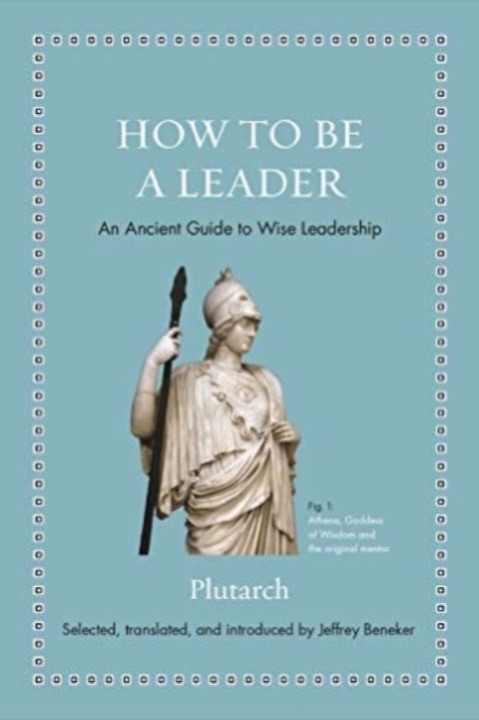
How to Be a Leader: An Ancient Guide to Wise Leadership
Applying the lessons from "How to Be a Leader: An Ancient Guide to Wise Leadership" to your life can enhance your personal and professional growth, given your rich experiences and values. Here’s how you might integrate these insights:
-
Character and Virtue: - You already prioritize kindness and empathy, which aligns with Plutarch's emphasis on virtue. Continue to lead with integrity and honesty in all interactions, reinforcing the trust and respect you have cultivated.
-
Learning from History: - Reflect on your past experiences, such as your near-death incidents and professional challenges, to draw lessons that can guide future decisions. Consider studying historical leaders who resonate with your values for additional insights.
-
Wisdom and Knowledge: - Your commitment to lifelong learning and personal growth mirrors Plutarch's advice. Keep seeking knowledge in areas of interest, like technology and social issues, to make informed decisions and stay adaptable.
-
Balancing Power and Responsibility: - As someone who values ethical conduct, ensure that any influence or authority you wield is used responsibly. Be mindful of how your actions impact others, especially in your advocacy and professional roles.
-
Communication and Persuasion: - Leverage your direct and humorous communication style to inspire and motivate those around you. Use your ability to find humor in situations to diffuse tension and build rapport.
-
Adaptability and Resilience: - Your resilience is a strength that aligns with Plutarch's teachings. Continue to embrace change and challenges with an open mind, using setbacks as opportunities for growth.
-
Virtue is Central: - Reinforce your core values of kindness and empathy in every aspect of your life, from personal relationships to professional endeavors. Let these virtues guide your actions and decisions.
-
Learn from the Past: - Reflect on your life experiences, such as the plane crash incidents and your journey in medicine, to extract valuable lessons that can inform your future actions and decisions.
-
Power with Responsibility: - Be conscious of the influence you have, whether in your family, professional life, or advocacy work. Use this power to uplift others and promote positive change.
-
Effective Communication:
- Continue to hone your communication skills, ensuring that your messages are clear, persuasive, and empathetic. Use your humor to connect with others and foster a positive environment.
-
Adaptability:
- Embrace change and uncertainty with resilience. Your ability to remain calm in stressful situations is a valuable asset that can help you navigate life's challenges.
By integrating these lessons into your life, you can continue to lead with wisdom, integrity, and compassion, making a positive impact on those around you and contributing to the betterment of society.
What the book covers
"How to Be a Leader: An Ancient Guide to Wise Leadership" is a modern translation and interpretation of Plutarch's writings on leadership, translated by Jeffrey Beneker. Plutarch, a Greek biographer and moralist, offers timeless insights into the nature of leadership, drawing from historical examples and philosophical reflections. This book distills Plutarch's thoughts into practical advice for contemporary leaders.
Summary:
-
Historical Context and Relevance: - Plutarch lived during the first century AD, a time of significant political and social change. His works often reflect on the lives of notable figures from Greek and Roman history, providing lessons on virtue, ethics, and leadership. - The book emphasizes that while the context has changed, the core principles of leadership remain relevant.
-
Character and Virtue: - Plutarch underscores the importance of character and virtue in leadership. A leader must possess integrity, honesty, and a commitment to justice. - He argues that personal virtue is foundational to gaining and maintaining the trust of followers.
-
Learning from History: - Plutarch advocates for learning from the successes and failures of past leaders. By studying historical figures, modern leaders can glean insights into effective and ineffective leadership styles. - The book includes anecdotes and analyses of leaders like Alexander the Great and Julius Caesar, highlighting their strengths and weaknesses.
-
The Role of Wisdom and Knowledge: - Wisdom is portrayed as a crucial attribute for leaders. Plutarch suggests that leaders should be lifelong learners, constantly seeking knowledge and understanding. - He emphasizes the importance of making informed decisions and being open to advice and criticism.
-
Balancing Power and Responsibility: - Plutarch discusses the balance between wielding power and bearing responsibility. A wise leader uses power judiciously and is always aware of its impact on others. - The book warns against the corrupting influence of power and the need for self-discipline.
-
Communication and Persuasion: - Effective communication is highlighted as a key skill for leaders. Plutarch advises leaders to be clear, persuasive, and empathetic in their interactions. - The ability to inspire and motivate others through words is seen as a hallmark of great leadership.
-
Adaptability and Resilience: - Plutarch notes the importance of adaptability in the face of changing circumstances. Leaders must be resilient and flexible, able to navigate challenges and setbacks. - The book encourages leaders to remain steadfast in their principles while being open to change.
Key Takeaways and Lessons:
- Virtue is Central: Leadership is deeply rooted in personal virtue and ethical conduct. A leader's character is their most valuable asset.
- Learn from the Past: Historical examples provide valuable lessons. Understanding the successes and failures of past leaders can guide current decision-making.
- Wisdom and Knowledge: Continuous learning and the pursuit of wisdom are essential for effective leadership.
- Power with Responsibility: Power should be exercised with caution and a sense of responsibility. Leaders must be mindful of their influence on others.
- Effective Communication: The ability to communicate clearly and persuasively is crucial for inspiring and leading others.
- Adaptability: Leaders must be adaptable and resilient, ready to face challenges and embrace change.
In summary, "How to Be a Leader" offers timeless advice on leadership, emphasizing the importance of virtue, wisdom, and adaptability. Plutarch's insights, though ancient, provide valuable guidance for modern leaders seeking to navigate the complexities of leadership with integrity and wisdom.