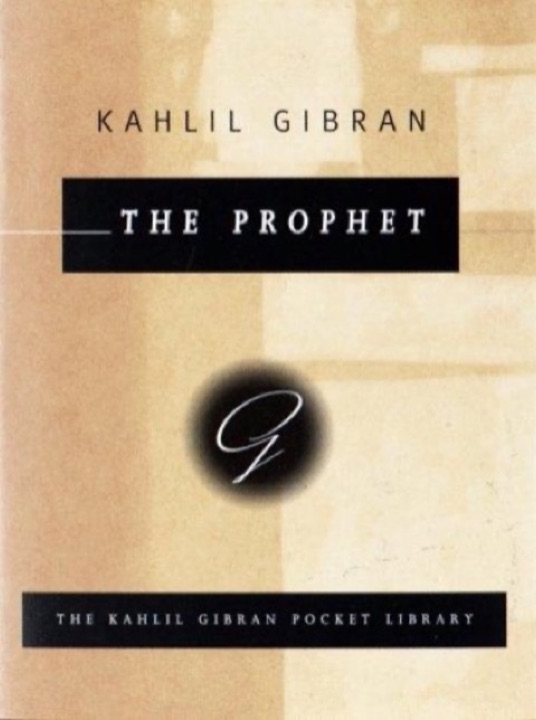
The Prophet
Applying the lessons from "The Prophet" by Kahlil Gibran to your life can enhance your personal growth, relationships, and overall well-being. Here are some ways you might integrate these insights:
-
Embrace Love's Duality: Given your belief in kindness and empathy, Almustafa's teachings on love can reinforce your approach to relationships. Embrace both the joys and challenges of love, understanding that vulnerability and openness are essential for deep connections.
-
Balance in Marriage and Relationships: You value individuality and unity, which aligns with Gibran's advice on marriage. Continue to nurture your relationships by allowing space for both togetherness and personal growth.
-
Guiding Children: As a parent and grandparent, Almustafa's views on children resonate with your approach. Encourage your children and grandchild to follow their own paths, providing love and guidance without imposing your desires.
-
Work as Passion: You already approach your work with dedication. Gibran's idea of work as "love made visible" can inspire you to continue finding fulfillment and purpose in your professional life.
-
Accepting Joy and Sorrow: Your resilience and humor can be further enriched by accepting the duality of joy and sorrow. Recognize that both are integral to a full life, allowing you to appreciate the highs and learn from the lows.
-
Freedom and Responsibility: Your belief in personal freedom aligns with Gibran's teachings. Embrace your responsibilities while rising above desires and fears, finding true freedom in this balance.
-
Reason and Passion: Continue to balance analytical rigor with passion in your decision-making, as both are necessary for a harmonious life.
-
Self-Knowledge and Introspection: Your commitment to personal growth and self-evaluation aligns with Gibran's emphasis on self-awareness. Keep exploring your true nature and purpose.
-
Friendship and Loyalty: Your value of loyalty in friendship resonates with Gibran's views. Continue to nurture mutual exchanges of love and support in your friendships.
-
Embrace Life's Dualities: Your belief in the interconnectedness of life can be deepened by accepting the dualities of good and evil, joy and sorrow. This acceptance can lead to personal growth and fulfillment.
-
Spiritual Reflection: While you don't adhere to organized religion, Gibran's view of religion as a personal journey can encourage you to explore your spiritual beliefs and seek a deeper connection with the divine.
-
Living in the Moment: Your aspiration to live in the moment aligns with Gibran's teachings. Practice mindfulness and presence in your daily life, appreciating each experience fully.
By integrating these lessons, you can continue to live with purpose, compassion, and awareness, enriching your journey and the lives of those around you.
What the book covers
"The Prophet" by Kahlil Gibran is a philosophical and spiritual classic that has resonated with readers since its publication in 1923. The book is structured as a series of poetic essays delivered by a wise man named Almustafa, who has lived in the city of Orphalese for twelve years and is about to return to his homeland. As he prepares to depart, the people of the city gather around him, seeking his wisdom on various aspects of life.
Summary:
-
The Coming of the Ship: The book begins with Almustafa waiting for a ship that will take him back to his birthplace. The people of Orphalese, realizing he is leaving, ask him to share his insights.
-
Love: Almustafa speaks of love as a force that binds people together, urging them to embrace both its joys and its challenges. Love is portrayed as a transformative power that requires vulnerability and openness.
-
Marriage: He advises that marriage should allow for both unity and individuality, suggesting that partners should stand together yet maintain their own identities.
-
Children: Almustafa emphasizes that children are not possessions but individuals with their own paths. Parents should provide love and guidance without imposing their own desires.
-
Work: Work is described as love made visible, a means of expressing oneself and contributing to the community. It should be approached with passion and dedication.
-
Joy and Sorrow: He explains that joy and sorrow are inseparable, with sorrow carving deeper spaces for joy to fill. Embracing both is essential for a full life.
-
Freedom: True freedom is found in the acceptance of one's responsibilities and the ability to rise above desires and fears.
-
Reason and Passion: Almustafa advises balancing reason and passion, as both are necessary for a harmonious life.
-
Pain: Pain is seen as a breaking of the shell that encloses understanding, a necessary part of growth and self-discovery.
-
Self-Knowledge: He encourages introspection and self-awareness as paths to understanding one's true nature.
-
Teaching: True teaching is not about imparting knowledge but about guiding others to discover their own truths.
-
Friendship: Friendship is celebrated as a mutual exchange of love and support, where friends can be both a refuge and a challenge.
-
Good and Evil: Almustafa suggests that good and evil are intertwined, with each serving a purpose in the grand scheme of life.
-
Prayer: Prayer is described as a communion with the divine, a way to align oneself with the universe.
-
Pleasure: Pleasure is a song of freedom, but it should not be pursued at the expense of one's integrity or responsibilities.
-
Beauty: Beauty is seen as a reflection of the divine, present in all things and experiences.
-
Religion: Religion is portrayed as a personal journey, with each individual finding their own path to the divine.
-
Death: Almustafa speaks of death as a transition, a return to the source from which life springs.
Key Takeaways and Lessons:
-
Interconnectedness: The book emphasizes the interconnectedness of all aspects of life, suggesting that love, work, and relationships are all part of a larger tapestry.
-
Balance: A recurring theme is the importance of balance—between freedom and responsibility, reason and passion, joy and sorrow.
-
Self-Discovery: Almustafa encourages readers to embark on a journey of self-discovery, to understand their own nature and purpose.
-
Embrace of Dualities: The acceptance of life's dualities, such as joy and sorrow or good and evil, is crucial for personal growth and fulfillment.
-
Spiritual Reflection: The book invites readers to reflect on their spiritual beliefs and to seek a deeper connection with the divine.
"The Prophet" remains a timeless work, offering profound insights into the human condition and encouraging readers to live with purpose, compassion, and awareness.