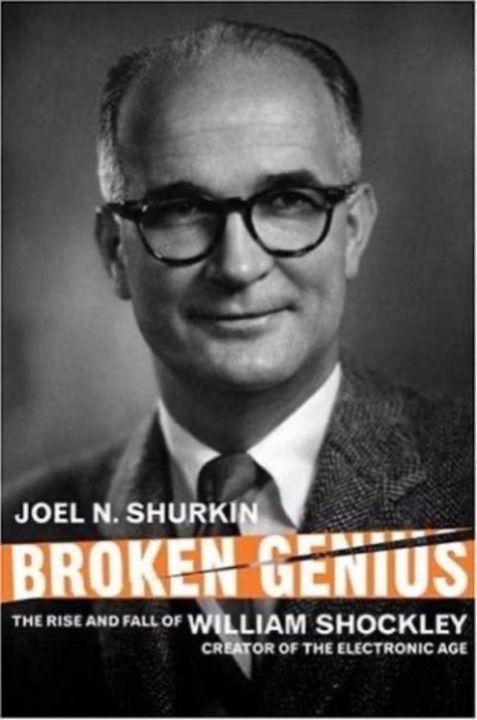
Broken Genius
Applying the lessons from "Broken Genius" by Joel Shurkin to your life can be insightful, especially considering your rich personal experiences and values. Here are some ways you might integrate these lessons:
-
Innovation and Collaboration: - You already value collaboration and teamwork, as seen in your approach to decision-making and leadership. Continue to foster environments where diverse ideas are welcomed and collaboration is encouraged, whether in your professional life or personal projects.
-
Leadership and Management: - Reflect on Shockley's management challenges and consider how you can further refine your leadership style. Given your emphasis on kindness and empathy, ensure these values are at the forefront of your interactions, especially in high-pressure situations.
-
Ethics and Responsibility: - Shockley's controversial views remind us of the importance of ethical responsibility. Your commitment to kindness and equality aligns with this lesson. Continue to advocate for social issues you are passionate about, and use your platform to promote positive change.
-
Legacy and Recognition: - Shockley's legacy was affected by his personal beliefs. Reflect on how you want to be remembered and ensure your actions align with your values. Your focus on kindness and empathy will help you leave a positive legacy.
-
Handling Controversy: - Like Shockley, you may face situations where your views are challenged. Your approach of listening quietly and asking questions is effective. Continue to engage in open dialogue and be willing to adapt your views when presented with new information.
-
Balancing Personal and Professional Life: - Shockley's story highlights the importance of balance. You value your family and personal achievements, so continue to prioritize these relationships and ensure they remain a central part of your life.
-
Continuous Learning and Growth: - Your philosophy of being a lifelong learner aligns with the need for continuous growth. Embrace new opportunities for learning and remain open to evolving your beliefs and practices.
By integrating these lessons into your life, you can continue to grow personally and professionally while maintaining the values that are important to you.
What the book covers
"Broken Genius: The Rise and Fall of William Shockley, Creator of the Electronic Age" by Joel Shurkin is a biography that delves into the life and career of William Shockley, a pivotal figure in the development of the transistor and the subsequent electronic revolution. The book provides a comprehensive look at Shockley's contributions to science and technology, as well as the personal and professional challenges he faced.
Summary:
-
Early Life and Education: - William Shockley was born in 1910 in London and raised in California. He showed an early aptitude for science and pursued a degree in physics at the California Institute of Technology, followed by a Ph.D. from MIT.
-
Career at Bell Labs: - Shockley joined Bell Labs in 1936, where he became a key figure in the development of the transistor. Alongside John Bardeen and Walter Brattain, Shockley co-invented the transistor in 1947, a breakthrough that earned the trio the Nobel Prize in Physics in 1956.
-
The Transistor's Impact: - The invention of the transistor revolutionized electronics, leading to the development of smaller, more efficient devices. It laid the groundwork for modern computing and telecommunications, fundamentally transforming technology and society.
-
Shockley Semiconductor: - In 1956, Shockley founded Shockley Semiconductor Laboratory in Mountain View, California. His management style, however, was problematic, leading to the departure of key employees who went on to form Fairchild Semiconductor, a cornerstone of Silicon Valley.
-
Controversial Views and Later Life: - In his later years, Shockley became known for his controversial views on race and intelligence, advocating for eugenics. These views overshadowed his scientific achievements and led to significant public and professional backlash.
-
Legacy and Impact: - Despite his personal and professional controversies, Shockley's contributions to technology remain significant. His work on the transistor paved the way for the digital age, and his role in the development of Silicon Valley is undeniable.
Key Takeaways and Lessons:
- Innovation and Collaboration:
-
Shockley's story highlights the importance of collaboration in scientific innovation. While his individual contributions were significant, the success of the transistor was a team effort.
-
Leadership and Management:
-
Shockley's difficulties in managing his company underscore the importance of effective leadership and the impact of management style on organizational success.
-
Ethics and Responsibility:
-
The controversy surrounding Shockley's views on race and intelligence serves as a reminder of the ethical responsibilities that come with scientific influence and public discourse.
-
Legacy and Recognition:
- The book illustrates how personal actions and beliefs can affect one's legacy, emphasizing the need for scientists and innovators to consider the broader implications of their work and public statements.
Overall, "Broken Genius" provides a nuanced portrait of William Shockley, acknowledging both his groundbreaking contributions to technology and the complexities of his personal and professional life.