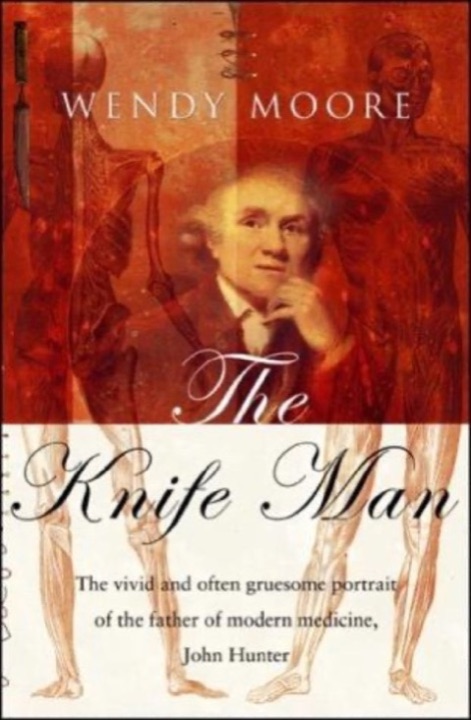
The Knife Man: The Extraordinary Life and Times of John Hunter, Father of Modern Surgery
Applying the lessons from "The Knife Man: The Extraordinary Life and Times of John Hunter, Father of Modern Surgery" by Wendy Moore to your life can be both enriching and transformative. Here are some ways you might integrate these lessons:
-
Innovation Through Observation: - Embrace a mindset of curiosity and observation in your daily life. Whether it's in your professional work or personal hobbies, take time to observe and understand the nuances. This can lead to innovative ideas and solutions, much like John Hunter's approach to surgery.
-
Ethics in Medicine and Life: - Reflect on the ethical dilemmas you face, whether in your medical practice or personal life. Strive to balance progress and innovation with ethical responsibility, ensuring that your actions align with your core values of kindness and empathy.
-
Interdisciplinary Approach: - Continue to explore diverse interests and fields, as Hunter did. Your hobbies and pastimes, such as flying, reading, and cooking, can offer unique insights and perspectives that enrich your understanding and approach to challenges.
-
Legacy of Teaching: - As someone who values teaching and learning, consider how you can mentor and inspire others. Share your knowledge and experiences with those around you, fostering a culture of hands-on learning and critical thinking.
-
Resilience and Determination: - Draw inspiration from Hunter's resilience in the face of challenges. Your own experiences, such as surviving plane crashes and overcoming personal obstacles, demonstrate your strength. Use this resilience to continue pursuing your goals and aspirations, like living in the moment and achieving personal growth.
-
Embrace Failure as a Learning Opportunity: - Recognize that failures and setbacks are valuable learning experiences. Like Hunter, who faced professional rivalries and controversies, use these moments to grow and improve, ultimately becoming a better version of yourself.
-
Pursue Lifelong Learning: - Maintain your commitment to being a lifelong learner. Stay open to new ideas and experiences, and continue to seek knowledge across various domains, much like Hunter's interdisciplinary research.
-
Balance and Self-Reflection: - Regularly evaluate your actions and decisions, considering how they align with your values and impact others. This self-reflection can help you maintain balance and improve areas where you feel impulsivity or lack of balance.
By integrating these lessons into your life, you can continue to grow personally and professionally, while honoring the legacy of innovation, ethics, and resilience exemplified by John Hunter.
What the book covers
"The Knife Man: The Extraordinary Life and Times of John Hunter, Father of Modern Surgery" by Wendy Moore is a detailed biography that explores the life and contributions of John Hunter, an 18th-century Scottish surgeon who is often regarded as one of the pioneers of modern surgery. The book delves into Hunter's innovative approaches, his relentless pursuit of knowledge, and his impact on the medical field.
Summary:
Early Life and Background: John Hunter was born in 1728 in Scotland. He was the youngest of ten children in a farming family. His early education was limited, but he eventually joined his brother, William Hunter, in London, who was already an established anatomist and physician.
Career and Contributions: - Anatomy and Dissection: Hunter's career began with his work in anatomy. He was known for his meticulous dissections and his vast collection of specimens. His work laid the foundation for many anatomical discoveries. - Innovative Surgical Techniques: Hunter was a pioneer in surgical techniques. He emphasized the importance of observation and experimentation, which was revolutionary at the time. He developed new methods for treating aneurysms and other conditions. - Research and Experimentation: Hunter conducted numerous experiments, often on himself, to understand the human body better. His research extended to various fields, including dentistry, venereal diseases, and even zoology. - Teaching and Influence: Hunter was also a dedicated teacher. He trained many students who went on to become prominent surgeons. His approach to teaching emphasized hands-on experience and critical thinking.
Challenges and Controversies: - Ethical Concerns: Hunter's methods were often controversial. He was known for acquiring bodies for dissection through questionable means, which raised ethical concerns. - Professional Rivalries: Hunter faced opposition from some contemporaries who disagreed with his methods or were envious of his success.
Legacy: - Father of Modern Surgery: Hunter's contributions to surgery and medicine were immense. He is often credited with transforming surgery from a craft into a science. - Hunterian Museum: His extensive collection of specimens became the basis for the Hunterian Museum in London, which continues to be a valuable resource for medical professionals and historians.
Key Takeaways and Lessons:
-
Innovation Through Observation: Hunter's work underscores the importance of observation and experimentation in scientific progress. His methods highlight the value of empirical evidence in developing new techniques and treatments.
-
Ethics in Medicine: The ethical dilemmas Hunter faced remind us of the importance of ethical considerations in medical research and practice. Balancing scientific advancement with ethical responsibility remains a crucial aspect of modern medicine.
-
Interdisciplinary Approach: Hunter's diverse interests and research across various fields demonstrate the benefits of an interdisciplinary approach to science and medicine. His work shows how insights from different areas can contribute to a more comprehensive understanding of complex issues.
-
Legacy of Teaching: Hunter's influence as a teacher highlights the lasting impact that educators can have on their students and the field as a whole. His emphasis on hands-on learning and critical thinking continues to be relevant in medical education today.
-
Resilience and Determination: Despite facing numerous challenges and controversies, Hunter's determination and resilience were key to his success. His life story serves as an inspiration for overcoming obstacles in the pursuit of knowledge and innovation.
Overall, "The Knife Man" provides a fascinating look at the life of a man who played a crucial role in shaping modern surgery and medical practice. Wendy Moore's biography not only celebrates Hunter's achievements but also offers valuable insights into the complexities and challenges of medical advancement.