Coach
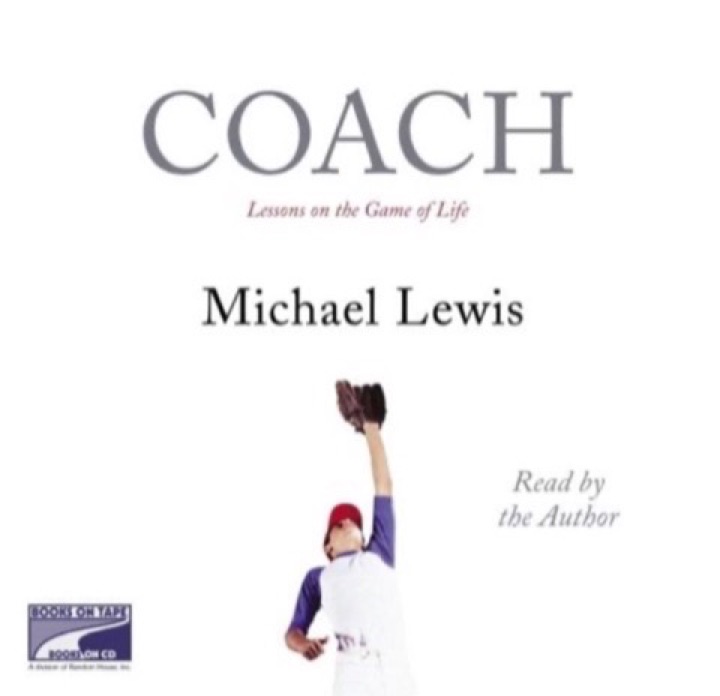
Applying the lessons from "Coach: Lessons on the Game of Life" by Michael Lewis to your life can be a meaningful way to reflect on your experiences and values. Here are some ways you might integrate these lessons:
-
Embrace Tough Love for Growth: - Reflect on how you can apply a tough-love approach in your own life, whether in mentoring others or pushing yourself to achieve your goals. Consider how you can set high expectations for yourself and those around you to foster resilience and personal growth.
-
Recognize the Long-term Impact of Mentorship: - Think about the mentors who have influenced your life and how their guidance has shaped your journey. Consider how you can be a mentor to others, using your experiences and insights to help them grow and succeed.
-
Value Discipline and Accountability: - Continue to uphold discipline and accountability in your daily routine and interactions. Your structured morning routine and commitment to personal growth are examples of how you already embody these values.
-
Adapt to Different Perspectives: - Recognize that different people respond to various styles of guidance and mentorship. Use your empathy and understanding to tailor your approach when interacting with others, whether in personal or professional settings.
-
Appreciate the Bigger Picture: - Reflect on the challenges and failures you've faced and how they have contributed to your personal growth. Embrace the idea that immediate discomfort can lead to long-term benefits, and continue to view life's challenges as opportunities for learning.
-
Mentorship and Legacy: - Consider how you can leave a lasting impact on others, much like Coach Fitz did for his players. Your involvement in activism and advocacy work is a testament to your commitment to making a difference, and you can continue to inspire others through your actions and values.
-
Live in the Moment: - One of your aspirations is to live in the moment. Use the lessons from the book to remind yourself of the importance of being present and appreciating the journey, not just the destination.
By integrating these lessons into your life, you can continue to grow and make a positive impact on those around you, while staying true to your core values of kindness and empathy.
What the book covers
"Coach: Lessons on the Game of Life" by Michael Lewis is a reflective and insightful book that delves into the profound impact a coach can have on an individual's life. The book centers around Lewis's own experiences with his high school baseball coach, Billy Fitzgerald, at Isidore Newman School in New Orleans. Through a series of anecdotes and reflections, Lewis explores the broader themes of mentorship, discipline, and personal growth.
Summary:
-
Introduction to Coach Billy Fitzgerald: - The book opens with a vivid portrayal of Coach Fitz, a demanding and sometimes intimidating figure who left a lasting impression on his students. Known for his tough-love approach, Fitz was both feared and respected by his players.
-
The Coaching Philosophy: - Fitz's coaching style was characterized by high expectations and a no-nonsense attitude. He believed in pushing his players to their limits to help them realize their potential. This approach often involved harsh criticism and rigorous training, which some students found difficult to handle.
-
Personal Anecdotes: - Lewis shares personal stories from his time on the baseball team, illustrating how Fitz's methods impacted him and his teammates. These anecdotes highlight moments of tension, growth, and eventual understanding of the coach's intentions.
-
Impact Beyond Sports: - The book emphasizes that the lessons learned under Coach Fitz extended beyond the baseball field. Discipline, resilience, and accountability were key values instilled in the players, shaping their character and influencing their future endeavors.
-
Reflections on Mentorship: - Lewis reflects on the broader role of mentors in shaping young lives. He acknowledges that while Fitz's methods were not universally appreciated, they were effective in teaching important life lessons.
-
Reconnecting with Coach Fitz: - Years later, Lewis reconnects with Fitz and gains a deeper appreciation for the coach's influence. This reunion provides closure and a renewed understanding of the complexities of mentorship.
Key Takeaways and Lessons:
- The Value of Tough Love:
-
While challenging at times, a tough-love approach can foster resilience and personal growth. It teaches individuals to push beyond their perceived limits and develop a strong work ethic.
-
Long-term Impact of Mentorship:
-
A mentor's influence can extend far beyond immediate outcomes, shaping an individual's character and life choices. The lessons imparted by a mentor often become more apparent and appreciated with time.
-
Discipline and Accountability:
-
Discipline is a crucial component of success, both in sports and in life. Being held accountable for one's actions encourages responsibility and integrity.
-
Understanding Different Perspectives:
-
It's important to recognize that different people respond to various coaching styles in unique ways. What works for one person may not work for another, highlighting the need for adaptability in mentorship.
-
Appreciating the Bigger Picture:
- The immediate discomfort or challenge posed by a mentor's methods can lead to significant long-term benefits. Understanding the bigger picture can help individuals appreciate the value of difficult experiences.
In "Coach," Michael Lewis provides a heartfelt tribute to the lasting impact of a dedicated mentor, offering readers valuable insights into the transformative power of guidance and discipline.