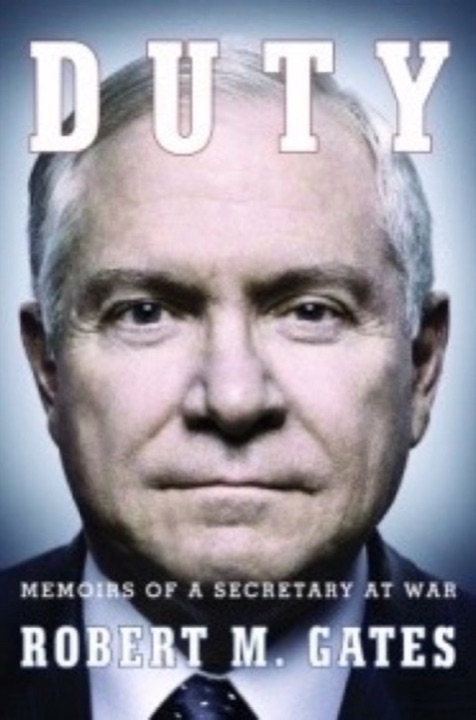
Duty: Memoirs of a Secretary at War
Applying the lessons from "Duty: Memoirs of a Secretary at War" by Robert M. Gates to your life can be a meaningful exercise, especially given your rich personal history and values. Here are some ways you might integrate these lessons:
-
Leadership and Decision-Making: - Like Gates, you can continue to balance diverse perspectives when making decisions, whether in your professional life or personal interactions. Your approach of gathering information and seeking input aligns well with Gates' emphasis on informed decision-making.
-
Bipartisanship and Cooperation: - Gates' advocacy for bipartisanship can inspire you to foster cooperation and understanding in your relationships, especially when discussing sensitive topics like politics. Your independent political stance and focus on the person over the party reflect this lesson.
-
Accountability and Reform: - Your commitment to self-evaluation and improvement mirrors Gates' focus on accountability. You can continue to apply this by assessing your actions and striving for efficiency and effectiveness in your endeavors.
-
Human Cost of War: - Gates' reflections on the human cost of war can resonate with your empathy and kindness. You might apply this lesson by continuing to prioritize the well-being of others, whether through your medical career or personal relationships.
-
Complexity of Modern Challenges: - Just as Gates navigated complex military and political landscapes, you can approach modern challenges with resilience and adaptability. Your forward-thinking attitude towards technology and societal issues aligns with this lesson.
-
Personal Growth and Resilience: - Gates' experiences highlight the importance of personal growth through challenges. Your own resilience and ability to learn from failures can be further strengthened by embracing difficulties as opportunities for growth.
-
Ethical Beliefs and Social Issues: - Gates' emphasis on ethical leadership can reinforce your commitment to social issues like equality and anti-human trafficking. You can continue to advocate for these causes and let your ethical beliefs guide your actions.
-
Legacy and Impact: - Gates' reflections on his legacy can inspire you to consider how you want to be remembered. Your desire to leave the world a better place and your focus on kindness can shape your legacy in meaningful ways.
By integrating these lessons into your life, you can continue to lead with empathy, make informed decisions, and contribute positively to the world around you.
What the book covers
"Duty: Memoirs of a Secretary at War" is a memoir by Robert M. Gates, who served as the U.S. Secretary of Defense from 2006 to 2011 under Presidents George W. Bush and Barack Obama. The book provides an insider's perspective on the complexities and challenges of managing the Department of Defense during two administrations, amidst ongoing conflicts in Iraq and Afghanistan.
Summary:
-
Background and Appointment: - Gates begins by recounting his unexpected appointment as Secretary of Defense, having previously served as Director of the CIA and President of Texas A&M University. He was brought in to replace Donald Rumsfeld during a critical period in the Iraq War.
-
Iraq War: - Gates discusses the strategic and operational challenges in Iraq, emphasizing the importance of the 2007 troop surge, which he supported. He details the internal debates and the role of military leadership in shaping U.S. policy.
-
Afghanistan War: - The memoir covers the escalation of the war in Afghanistan, including the decision-making process behind the surge of U.S. forces in 2009. Gates reflects on the difficulties of nation-building and the complexities of dealing with Afghan leadership.
-
Military and Political Leadership: - Gates provides candid assessments of key military and political figures, including Presidents Bush and Obama, Vice President Joe Biden, and various military leaders. He highlights the tensions between military advice and political decision-making.
-
Defense Budget and Bureaucracy: - A significant portion of the book is dedicated to Gates' efforts to reform the Pentagon's budget and bureaucracy. He emphasizes the need for efficiency and accountability in defense spending.
-
Personal Reflections: - Gates shares personal anecdotes and reflections on the toll of war, both on military personnel and on himself. He discusses the emotional weight of visiting wounded soldiers and attending funerals.
-
Policy and Strategy: - The memoir delves into broader strategic issues, such as U.S. relations with NATO allies, the rise of China, and the challenges of cyber warfare. Gates stresses the importance of a balanced and pragmatic approach to foreign policy.
Key Takeaways and Lessons:
- Leadership and Decision-Making:
-
Effective leadership requires balancing military advice with political realities. Gates underscores the importance of listening to diverse perspectives and making informed decisions.
-
Bipartisanship:
-
Gates advocates for bipartisan cooperation in national security matters, emphasizing that political divisions can undermine military effectiveness and strategic goals.
-
Accountability and Reform:
-
The need for accountability in defense spending and operations is a recurring theme. Gates highlights the importance of reforming bureaucratic inefficiencies to ensure resources are used effectively.
-
Human Cost of War:
-
The memoir serves as a reminder of the human cost of war, urging policymakers to consider the impact on soldiers and their families when making decisions about military engagements.
-
Complexity of Modern Warfare:
- Gates illustrates the complexity of modern warfare, where traditional military strategies must adapt to new challenges like insurgency, terrorism, and cyber threats.
Overall, "Duty" offers a detailed and introspective look at the challenges of leading the Department of Defense during a tumultuous period in U.S. history, providing valuable insights into the intricacies of military and political leadership.