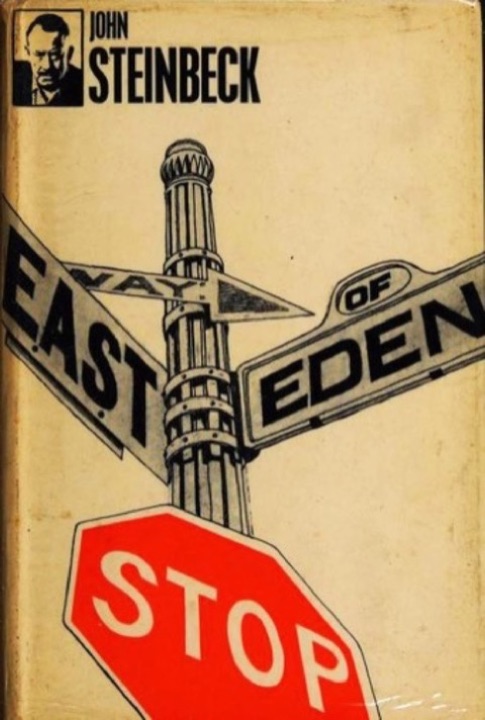
East of Eden
Applying the lessons from John Steinbeck's "East of Eden" to your life can be a meaningful exercise, especially given your rich personal experiences and values. Here are some ways you might integrate the novel's themes into your life:
-
Embrace Free Will and Choice: - The concept of "timshel" in "East of Eden" emphasizes the power of choice. Reflect on how you can continue to exercise your free will in making decisions that align with your values of kindness and empathy. Recognize that despite past experiences or inherent tendencies, you have the ability to shape your future.
-
Explore the Duality of Human Nature: - The novel's exploration of good and evil can encourage you to acknowledge and understand the complexities within yourself and others. This understanding can enhance your empathy and kindness towards others, recognizing that everyone has their own struggles and capacities for both good and evil.
-
Seek Redemption and Forgiveness: - Consider how you can apply the themes of redemption and forgiveness in your relationships. Whether it's forgiving yourself for past regrets, like not seeing your father before he passed, or extending forgiveness to others, these actions can lead to personal growth and healing.
-
Pursue Self-Discovery and Identity: - Reflect on your journey of self-discovery and how your experiences have shaped your identity. Embrace the ongoing process of learning and growing, as you have with your commitment to being a lifelong learner and maintaining a mindset of being in a constant state of beta.
-
Value Family and Relationships: - The novel highlights the influence of family dynamics. Continue to cherish and nurture your close relationships, especially with your children and grandchild, as they are central to your happiness and sense of fulfillment.
-
Confront Moral Dilemmas with Integrity: - When faced with ethical challenges, draw on the novel's exploration of moral choices. Use your core values to guide your actions, ensuring that you remain true to your beliefs, even in difficult situations.
-
Live Authentically and with Purpose: - Like the characters in "East of Eden," strive to live authentically and with a sense of purpose. Your desire to live as if you were dying every day and to leave the world a better place aligns with this theme. Continue to pursue your passions and aspirations, such as skydiving or advocating for social issues.
By integrating these lessons into your life, you can continue to grow and evolve, making choices that reflect your values and aspirations.
What the book covers
"East of Eden" is a novel by John Steinbeck, published in 1952. It is a sprawling, multigenerational epic that explores themes of good and evil, free will, and the struggle for identity. The novel is set in California's Salinas Valley and spans the late 19th and early 20th centuries.
Summary:
Part One: The novel begins with the story of the Hamilton family, led by the patriarch Samuel Hamilton, an Irish immigrant and farmer. Samuel and his wife, Liza, raise a large family in the Salinas Valley. Parallel to the Hamiltons is the story of the Trask family. Cyrus Trask, a Civil War veteran, raises his sons Adam and Charles in Connecticut. The brothers have a complex relationship marked by jealousy and rivalry, particularly over their father's affection and a mysterious inheritance.
Part Two: Adam Trask moves to California after inheriting his father's fortune. He marries Cathy Ames, a manipulative and malevolent woman who eventually abandons him and their twin sons, Caleb ("Cal") and Aron. Cathy assumes a new identity as Kate and becomes the owner of a brothel. Adam, devastated by Cathy's betrayal, struggles to raise his sons with the help of his Chinese servant, Lee, and Samuel Hamilton.
Part Three: As Cal and Aron grow up, they embody contrasting personalities. Aron is idealistic and naive, while Cal is more pragmatic and struggles with feelings of inadequacy and guilt. The brothers' relationship mirrors the biblical story of Cain and Abel, a recurring motif in the novel. Cal discovers the truth about their mother and grapples with his own capacity for evil.
Part Four: The novel culminates in a series of dramatic events. Aron enlists in World War I after learning about his mother's true identity, leading to his death. Cal, burdened by guilt, seeks redemption and his father's forgiveness. The novel ends with Adam on his deathbed, granting Cal his blessing and urging him to choose his own path, encapsulated in the Hebrew word "timshel," meaning "thou mayest," which signifies the theme of free will.
Key Takeaways and Lessons:
-
Good vs. Evil: Steinbeck explores the duality of human nature, suggesting that everyone has the capacity for both good and evil. The characters' struggles highlight the complexity of moral choices.
-
Free Will and Choice: The concept of "timshel" underscores the importance of free will. Steinbeck suggests that individuals are not bound by their past or inherent nature but have the power to choose their own destiny.
-
The Search for Identity: Many characters grapple with their sense of self and purpose. The novel emphasizes the importance of self-discovery and the impact of familial and societal expectations on personal identity.
-
Redemption and Forgiveness: The novel illustrates the possibility of redemption through love, understanding, and forgiveness. Cal's journey reflects the struggle for acceptance and the desire to overcome one's darker impulses.
-
The Influence of Family: Family dynamics play a crucial role in shaping the characters' lives. The novel examines the impact of parental influence, sibling rivalry, and the quest for parental approval.
"East of Eden" is a profound exploration of human nature and the moral dilemmas that define the human experience. Steinbeck's rich storytelling and complex characters make it a timeless work that continues to resonate with readers.