The Great Gatsby
Applying the lessons from "The Great Gatsby" to your life can provide valuable insights and reflections, especially considering your rich experiences and personal philosophy. Here are some ways you might integrate these lessons:
-
Critique of the American Dream: - Reflect on your own pursuits and ambitions. Ensure that your goals are aligned with your core values of kindness and empathy, rather than being driven solely by material success or societal expectations. Your belief in living life fully and valuing experiences over possessions aligns well with this lesson.
-
Illusion vs. Reality: - Stay grounded in reality and be mindful of any illusions or idealized visions you might hold. Your experiences, such as surviving plane crashes, have already reinforced the importance of living authentically and appreciating the present moment. Continue to embrace this authenticity in your relationships and endeavors.
-
Social Class and Inequality: - Continue your advocacy and activism work related to equality and social issues. Your passion for civil rights and equality resonates with the novel's critique of social class divisions. Use your influence and resources to support initiatives that promote inclusivity and acceptance.
-
The Past and Time: - While it's natural to reflect on the past, focus on living in the moment and embracing the present. Your aspiration to live in the moment aligns with this lesson. Practice mindfulness and gratitude to fully appreciate each day and the people around you.
-
Moral Decay: - Maintain your strong ethical beliefs and continue to act with integrity and kindness. Your commitment to starting with kindness and having strong convictions loosely held is a powerful antidote to the moral decay depicted in the novel. Lead by example and inspire others to uphold similar values.
By integrating these lessons into your life, you can continue to live authentically, pursue meaningful goals, and make a positive impact on the world around you. Your resilience, humor, and empathy will guide you in navigating life's challenges while staying true to your values.
What the book covers
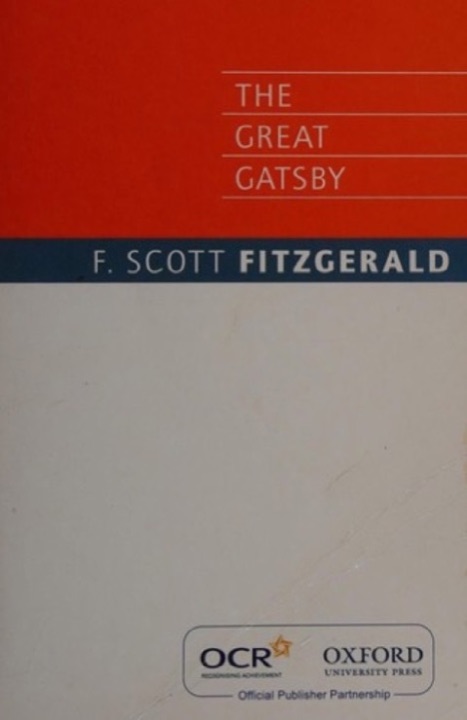
"The Great Gatsby," written by F. Scott Fitzgerald and published in 1925, is a classic novel set during the Roaring Twenties, a period of great economic prosperity and cultural change in the United States. The story is narrated by Nick Carraway, a Yale graduate and World War I veteran from the Midwest who moves to West Egg, Long Island, to learn about the bond business. He rents a small house next to the opulent mansion of Jay Gatsby, a mysterious and wealthy man known for throwing extravagant parties.
Plot Summary:
-
Introduction to Characters and Setting: - Nick Carraway, the narrator, introduces himself and his background. He moves to West Egg, a fictional area of Long Island, to pursue a career in finance. - Nick's cousin, Daisy Buchanan, lives in the more fashionable East Egg with her wealthy but brutish husband, Tom Buchanan. Daisy and Tom have a young daughter. - Tom is having an affair with Myrtle Wilson, the wife of George Wilson, who owns a garage in the valley of ashes, a desolate industrial area between West Egg and New York City.
-
Gatsby's Parties and Mystery: - Jay Gatsby is known for his lavish parties, which attract a wide array of guests. Despite the frequent gatherings, Gatsby remains an enigmatic figure. - Nick receives an invitation to one of Gatsby's parties and attends, where he finally meets Gatsby. They strike up a friendship, and Nick learns that Gatsby is in love with Daisy Buchanan.
-
Gatsby and Daisy's Past: - Through Jordan Baker, a friend of Daisy's and a professional golfer, Nick learns that Gatsby and Daisy were once in love. Gatsby bought his mansion in West Egg to be near Daisy, hoping to rekindle their romance. - Gatsby asks Nick to arrange a meeting with Daisy. The reunion is initially awkward but eventually rekindles their past affection.
-
Conflict and Climax: - Tensions rise as Tom becomes suspicious of Daisy's relationship with Gatsby. During a trip to New York City, Tom confronts Gatsby, revealing Gatsby's questionable business dealings and accusing him of trying to steal Daisy. - Daisy, overwhelmed by the confrontation, chooses to stay with Tom. On the way back to Long Island, Daisy, driving Gatsby's car, accidentally hits and kills Myrtle Wilson.
-
Tragic Conclusion: - Tom tells George Wilson that Gatsby owns the car that killed Myrtle. George, distraught and seeking revenge, goes to Gatsby's mansion and shoots Gatsby before taking his own life. - Nick organizes Gatsby's funeral, but few people attend, highlighting the superficial nature of Gatsby's relationships. - Disillusioned by the events, Nick decides to return to the Midwest, reflecting on the moral decay and emptiness of the East Coast elite.
Key Takeaways and Lessons:
-
The American Dream: - The novel critiques the American Dream, suggesting that it has become corrupted by materialism and greed. Gatsby's pursuit of wealth and status is ultimately hollow and unfulfilling.
-
Illusion vs. Reality: - Gatsby's life is built on illusions, from his fabricated background to his idealized vision of Daisy. The novel explores the dangers of living in a world of illusions and the inevitable clash with reality.
-
Social Class and Inequality: - Fitzgerald highlights the stark divisions between social classes. The Buchanans represent the established aristocracy, while Gatsby, despite his wealth, remains an outsider.
-
The Past and Time: - Gatsby's obsession with recreating the past with Daisy underscores the impossibility of recapturing lost time. The novel suggests that the past cannot be repeated or altered.
-
Moral Decay: - The characters' moral failings, including infidelity, dishonesty, and selfishness, reflect the broader societal decay of the 1920s. The novel serves as a cautionary tale about the consequences of moral corruption.
"The Great Gatsby" remains a poignant exploration of ambition, love, and the American Dream, resonating with readers through its timeless themes and rich symbolism.