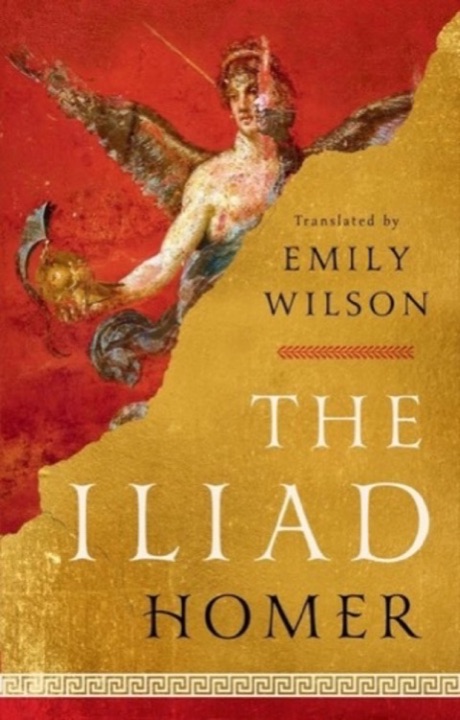
The Iliad
Applying the lessons from "The Iliad" to your life can offer profound insights and guidance, especially considering your rich experiences and values. Here are some ways you might integrate these lessons:
-
The Nature of Heroism and Honor: Reflect on your personal achievements and the legacy you wish to leave. Like Achilles and Hector, consider how your actions contribute to your sense of honor and the impact you have on others. Your dedication to kindness and empathy aligns with the heroic ideals of the epic, emphasizing the importance of living with integrity and purpose.
-
The Consequences of Wrath: Achilles' wrath serves as a cautionary tale about the destructive power of unchecked anger. In your life, continue to practice calm decision-making, especially in high-stress situations. Your ability to remain composed and your commitment to kindness can help mitigate conflicts and foster positive outcomes.
-
The Role of Fate and the Gods: While you may not believe in divine intervention, the concept of fate in "The Iliad" can remind you of the unpredictability of life. Embrace the idea that some things are beyond your control, and focus on what you can influence. Your belief in reincarnation and continuous learning reflects an acceptance of life's journey and the lessons it brings.
-
The Humanization of Enemies: The epic's portrayal of the Trojans as noble and honorable encourages empathy and understanding. In your interactions, strive to see the humanity in others, even those with differing views. This aligns with your philosophy of giving everyone a chance and approaching situations with an open mind.
-
The Impermanence of Life and Glory: "The Iliad" highlights the transient nature of life and achievements. Your desire to live in the moment and your understanding that "very little actually matters" resonate with this theme. Focus on cherishing experiences and relationships, valuing the present, and finding fulfillment in everyday moments.
By integrating these lessons, you can continue to navigate life's challenges with resilience, empathy, and a deep appreciation for the journey. Your commitment to personal growth and your optimistic outlook will guide you in applying these timeless insights to your unique path.
What the book covers
"The Iliad" is an ancient Greek epic poem attributed to Homer, set during the Trojan War, a protracted conflict between the city of Troy and the Greek states. The poem is composed of 24 books and focuses on the events of a few weeks in the final year of the war, highlighting themes of heroism, honor, wrath, and fate.
Summary:
Books 1-4: The Quarrel and the Duel - The epic begins with the Greek hero Achilles' wrath after Agamemnon, the leader of the Greek forces, takes Briseis, a captive woman, from him. This insult leads Achilles to withdraw from battle, significantly impacting the Greek army. - The gods are deeply involved in the conflict, with Hera, Athena, and Poseidon supporting the Greeks, while Apollo, Artemis, and Aphrodite favor the Trojans. - Paris, a Trojan prince, challenges the Greeks to single combat, which leads to a duel with Menelaus, the husband of Helen, whose abduction by Paris sparked the war. The duel ends inconclusively due to divine intervention.
Books 5-8: The Battle Intensifies - Diomedes emerges as a formidable Greek warrior, even wounding the gods Aphrodite and Ares in battle. - Hector, the Trojan prince and greatest warrior, leads a counterattack that pushes the Greeks back to their ships. - The gods continue to intervene, with Zeus commanding the other gods to stay out of the battle, leading to a temporary advantage for the Trojans.
Books 9-12: The Greek Desperation - The Greeks, desperate without Achilles, send an embassy to persuade him to return. Despite offers of great wealth and the return of Briseis, Achilles refuses, still enraged by Agamemnon's insult. - The Trojans, led by Hector, press their advantage, threatening the Greek ships.
Books 13-16: The Tide Turns - The Greeks rally with the help of Poseidon. Patroclus, Achilles' close friend, dons Achilles' armor and leads the Myrmidons into battle, pushing the Trojans back. - Patroclus is killed by Hector, which becomes a pivotal moment, reigniting Achilles' desire for vengeance.
Books 17-20: Achilles' Return - Achilles, devastated by Patroclus' death, reconciles with Agamemnon and returns to battle. - He receives new armor forged by Hephaestus and goes on a rampage, killing numerous Trojans.
Books 21-24: The Climax and Resolution - Achilles confronts Hector outside the walls of Troy. After a fierce battle, Achilles kills Hector and desecrates his body. - Priam, Hector's father, bravely visits Achilles to ransom his son's body. Moved by Priam's plea and reminded of his own father, Achilles agrees to return Hector's body, allowing for a temporary truce for Hector's funeral.
Key Takeaways and Lessons:
-
The Nature of Heroism and Honor: "The Iliad" explores the Greek concept of heroism, which is closely tied to honor and glory. Characters like Achilles and Hector are driven by a desire for eternal fame, often at great personal cost.
-
The Consequences of Wrath: Achilles' wrath is central to the narrative, illustrating how unchecked anger can lead to personal and communal tragedy. His rage results in the death of Patroclus and many others, showing the destructive power of pride and vengeance.
-
The Role of Fate and the Gods: The epic underscores the belief in fate and divine intervention. Despite human efforts, the gods frequently alter the course of events, suggesting a world where human agency is limited.
-
The Humanization of Enemies: Through characters like Hector and Priam, the poem humanizes the Trojans, presenting them as noble and honorable, challenging the notion of a clear-cut enemy.
-
The Impermanence of Life and Glory: The poem reflects on mortality and the fleeting nature of life and glory. Achilles' choice between a long, uneventful life and a short, glorious one highlights the transient nature of human achievements.
"The Iliad" remains a timeless exploration of human nature, war, and the complexities of honor and revenge, offering profound insights into the human condition.