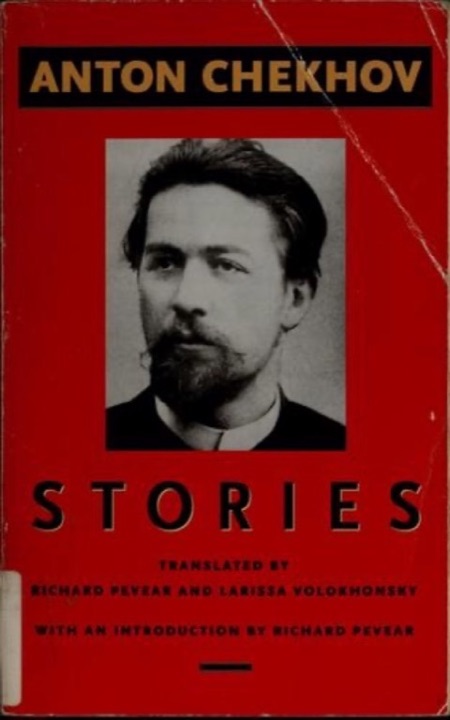
Selected Stories of Anton Chekhov
Applying the lessons from Anton Chekhov's "The Stories" to your life can offer profound insights and guidance, given your rich experiences and personal philosophy. Here are some ways you might integrate these lessons:
-
Embrace Complexity in Relationships: Chekhov's stories often highlight the intricacies of human emotions and relationships. Given your emphasis on kindness and empathy, you can continue to approach your interactions with others by acknowledging the complexity of their experiences. This understanding can deepen your connections and enhance your ability to support those around you.
-
Reflect on the Search for Meaning: Many of Chekhov's characters grapple with existential questions. Your belief in reincarnation and the pursuit of knowledge aligns with this theme. You might find value in regularly reflecting on your life's purpose and the lessons you are meant to learn, reinforcing your belief that you have more to accomplish.
-
Critique and Improve Society: Chekhov critiques societal norms and institutions, much like your advocacy for civil rights and equality. You can continue to challenge societal structures that you find flawed, using your voice and actions to promote positive change and equality.
-
Embrace Ambiguity and Open Endings: Chekhov's use of ambiguity invites readers to draw their own conclusions. In your life, you might embrace uncertainty and open-ended situations, trusting in your resilience and ability to adapt. This approach can help you navigate life's unpredictability with grace.
-
Cultivate Empathy and Understanding: Chekhov's compassionate portrayal of characters encourages empathy. Your core values of kindness and empathy align with this lesson. You can continue to approach others with understanding, recognizing that everyone is fighting their own battles.
-
Live in the Moment: One of your aspirations is to live in the moment. Chekhov's stories often emphasize the fleeting nature of life. You might find inspiration in his work to savor each experience, focusing on being present and appreciating the here and now.
-
Learn from Failures: Chekhov's characters often face challenges and failures, much like your own experiences. You can continue to view failures as opportunities for growth, using them to build resilience and learn valuable life lessons.
By integrating these lessons from Chekhov's stories into your life, you can deepen your understanding of the human condition, enhance your relationships, and continue to live with purpose and empathy.
What the book covers
"The Stories" by Anton Chekhov is a collection of short stories that showcase the breadth of Chekhov's literary genius. Chekhov, a master of the short story form, explores a wide range of human experiences and emotions through his concise and poignant narratives. His stories often delve into themes of human nature, the complexities of life, and the subtleties of social interactions.
Summary of Key Stories:
-
"The Lady with the Dog": This story follows Dmitri Gurov, a disenchanted banker, who meets Anna Sergeyevna while vacationing in Yalta. Despite both being married, they embark on an affair. The story explores themes of love, infidelity, and the search for meaning in life. It ends on an ambiguous note, highlighting the complexity of human emotions and relationships.
-
"The Bet": A banker and a young lawyer make a bet regarding the value of life imprisonment versus capital punishment. The lawyer agrees to spend fifteen years in solitary confinement in exchange for two million rubles. Over the years, he gains profound insights into life and renounces the material world, ultimately rejecting the money. This story examines themes of greed, the pursuit of knowledge, and the true meaning of freedom.
-
"Ward No. 6": This story is set in a mental asylum and follows Dr. Andrei Yefimich, who becomes disillusioned with his life and profession. He befriends a patient, Ivan Gromov, and begins to question the nature of sanity and society. The story critiques the bureaucratic and dehumanizing aspects of institutions and reflects on existential themes.
-
"The Cherry Orchard": Although technically a play, it is often included in collections of Chekhov's stories. It revolves around an aristocratic Russian family facing the sale of their estate and beloved cherry orchard. The play is a poignant commentary on social change, the passage of time, and the inevitability of progress.
-
"Gooseberries": This story is about Ivan Ivanovich, who visits his brother Nikolai, a man obsessed with owning a country estate with gooseberry bushes. The story explores themes of happiness, self-delusion, and the disparity between dreams and reality.
Key Takeaways and Lessons:
-
Complexity of Human Emotions: Chekhov's stories often highlight the intricacies of human emotions and relationships. He portrays characters with depth and nuance, showing that people are rarely one-dimensional.
-
Search for Meaning: Many of Chekhov's characters grapple with existential questions and the search for meaning in life. His stories encourage readers to reflect on their own lives and the values they hold dear.
-
Critique of Society: Chekhov frequently critiques societal norms and institutions, such as marriage, the legal system, and healthcare. His stories often reveal the flaws and hypocrisies within these structures.
-
Ambiguity and Open Endings: Chekhov is known for his use of ambiguity and open endings, which invite readers to draw their own conclusions. This technique underscores the unpredictability of life and the complexity of human experiences.
-
Empathy and Understanding: Through his compassionate portrayal of characters, Chekhov encourages empathy and understanding. His stories remind readers of the shared human experience and the importance of kindness.
Overall, "The Stories" by Anton Chekhov offers a profound exploration of the human condition, inviting readers to ponder life's complexities and the nature of human existence.