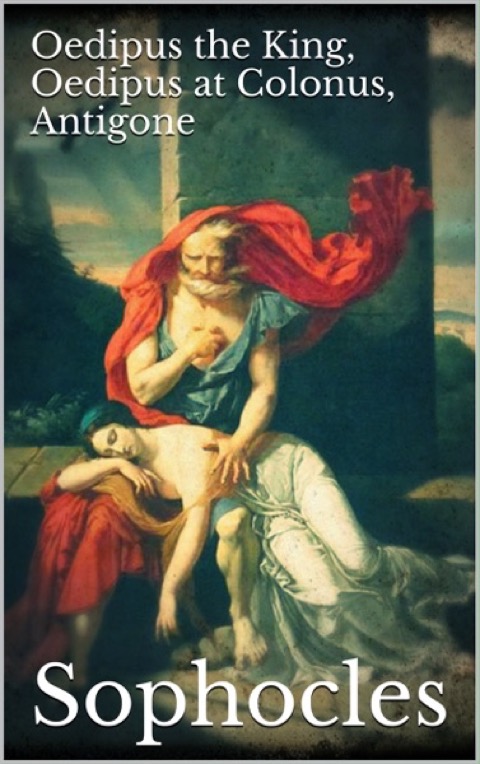
Sophocles I: Oedipus the King, Oedipus at Colonus, Antigone
Applying the lessons from "Sophocles I" by Sophocles to your life can be a transformative exercise in developing intellectual humility and a more nuanced understanding of the complexities of leadership and ethics. Here are some ways you might integrate these lessons:
-
Practice Intellectual Humility: - Just as Oedipus was blinded by his own perceived brilliance, you must remain vigilant against the cognitive biases that come with expertise in medicine, law, or business. Recognize that the more you know, the more you must remain open to the possibility that your foundational assumptions are incomplete or incorrect.
-
Navigate the Conflict of Dual Obligations: - Antigone’s struggle represents the professional's frequent dilemma between institutional policy and moral duty. In high-stakes fields like healthcare or law, you will face moments where the 'letter of the law' conflicts with human compassion; these plays encourage you to weigh those costs carefully and stand by your core values, even at personal risk.
-
Lead with Flexibility and Seek Counsel: - Creon’s downfall in Antigone is a masterclass in the dangers of rigid, top-down leadership. Whether you are leading a surgical team, a law firm, or a startup, you must invite dissenting voices and be willing to pivot when your initial decrees are proven harmful or ineffective.
-
Accept the Limits of Control: - In aviation and entrepreneurship, we strive for total systems control, yet Sophocles reminds us that 'fate'—the unpredictable external variables—can disrupt the best-laid plans. Developing a 'tragic sensibility' doesn't mean being pessimistic; it means building resilience and having a plan for when things inevitably go wrong despite your best efforts.
-
Pursue Truth with Courage: - Oedipus’s commitment to finding the truth, even when it began to point toward his own ruin, is a testament to the necessity of rigorous honesty. In diagnostics or business due diligence, you must have the stomach to follow the data to its ultimate conclusion, regardless of how uncomfortable that truth might be for your ego or your bottom line.
-
Find Meaning in Adversity: - The transition from the broken Oedipus of the first play to the transcendent figure in Oedipus at Colonus suggests that your failures do not have to be the end of your story. Use periods of professional 'exile' or setback as opportunities for deep reflection and spiritual or personal growth, aiming for a legacy that outlasts your active career.
By integrating these lessons, you can cultivate a leadership style that is both powerful and grounded, acknowledging the inherent uncertainty of life while maintaining a steadfast commitment to ethical action and the search for truth.
What the book covers
"Sophocles I" by Sophocles is a foundational collection of three of the most influential plays in Western literature: Oedipus the King, Oedipus at Colonus, and Antigone. Part of the acclaimed University of Chicago Press series, this volume offers modern readers access to the Theban plays, which trace the tragic arc of the royal house of Thebes. Through these narratives, Sophocles explores the profound tensions between individual agency and divine fate, the moral obligations of the citizen versus the state, and the enduring nature of human suffering. These works continue to serve as a cornerstone for drama, psychology, and political philosophy, challenging audiences to reflect on the limits of human knowledge and the weight of ethical responsibility.
Summary:
-
Oedipus the King and the Search for Truth: - The volume opens with arguably the most famous tragedy ever written, chronicling King Oedipus’s desperate attempt to save Thebes from a devastating plague. To lift the curse, he must find the murderer of the previous king, Laius, only to discover through relentless investigation that he himself is the culprit. - This section highlights the irony of human wisdom; Oedipus, the man who solved the riddle of the Sphinx, is the most ignorant of his own identity. His journey from savior to pariah illustrates the devastating impact of uncovering truths that one is not prepared to handle.
-
The Inevitability of Fate and Hubris: - Sophocles examines the concept of 'Moira' or fate, suggesting that while Oedipus makes choices, he is caught in a cosmic web spun before his birth. His attempts to outrun the prophecy—that he would kill his father and marry his mother—ultimately lead him directly to its fulfillment. - The play serves as a warning against hubris (excessive pride). Oedipus’s confidence in his own intellect and his dismissal of the prophet Tiresias underscore the danger of intellectual arrogance in the face of complex, systemic forces.
-
Oedipus at Colonus and the Path to Redemption: - In this later play, an aged, blinded, and exiled Oedipus arrives at the sacred grove of the Eumenides in Colonus, seeking a place to die. This narrative shifts the focus from the shock of downfall to the slow process of spiritual transformation and the search for peace. - The play emphasizes the themes of hospitality and the sacredness of the outcast. OedipBS finds protection under King Theseus of Athens, suggesting that even those most broken by life can find a measure of dignity and offer a final blessing to those who show them mercy.
-
Antigone and the Conflict of Authority: - Set after the deaths of Oedipus’s sons in a civil war, the play focuses on his daughter Antigone’s decision to bury her brother Polynices against the explicit decree of the new King, Creon. This creates a fundamental clash between the laws of the gods (family and religious duty) and the laws of the state. - The conflict showcases the rigidity of leadership; Creon’s refusal to yield and Antigone’s unbending devotion lead to a cascade of suicides, illustrating how the inability to compromise can destroy both families and political orders.
-
The Fragility of the Human Condition: - Throughout all three plays, the Chorus acts as a surrogate for the community, providing moral reflection and highlighting the precariousness of human happiness. The recurring sentiment is that no person should be called happy until they have passed the boundary of life without grief. - Sophocles uses the tragic form to demonstrate that suffering is an inherent part of the human experience, yet he also suggests that the manner in which one faces that suffering defines their character and legacy.
Sophocles I remains significant because it codifies the mechanics of tragedy and provides the archetypes for modern psychological and political discourse. By dramatizing the collision between the individual and the cosmic or political order, Sophocles forces the reader to confront the reality that even the most capable and virtuous leaders are subject to forces beyond their control and comprehension.