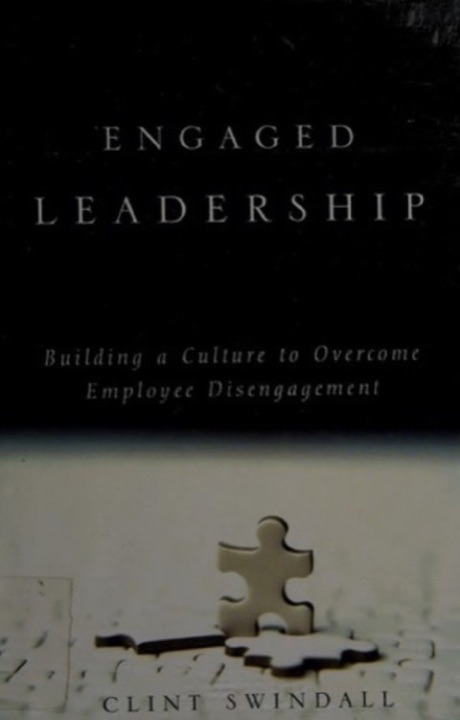
Engaged Leadership: Building a Culture to Overcome Employee Disengagement
Applying the lessons from "Engaged Leadership" by Clint Swindall to your life can enhance your personal and professional relationships, as well as your overall approach to leadership and engagement. Here are some ways you might integrate these lessons:
-
Understanding Engagement: - Reflect on your emotional commitment to your personal and professional goals. Consider how you can align your daily activities with these goals to foster a deeper sense of purpose and engagement.
-
The Cost of Disengagement: - Recognize areas in your life where disengagement might be impacting your productivity or relationships. Address these areas by identifying what motivates you and finding ways to incorporate those motivators into your routine.
-
The Role of Leadership: - As a leader in your personal and professional life, focus on understanding the needs and motivations of those around you. Use your empathy and kindness to create an environment where others feel valued and understood.
-
Building a Culture of Engagement: - Communication: Practice open and honest communication with family, friends, and colleagues. Share your vision and encourage others to share theirs, fostering a sense of shared purpose. - Recognition and Appreciation: Regularly acknowledge the contributions of those around you. This could be as simple as expressing gratitude or celebrating achievements, big or small. - Development Opportunities: Encourage personal and professional growth in yourself and others. Seek out new experiences, such as skydiving, to challenge yourself and expand your horizons. - Empowerment: Empower those around you by encouraging them to take ownership of their tasks and decisions. Trust in their abilities and support them in their endeavors.
-
Practical Tools and Techniques: - Implement practical strategies for effective communication and recognition in your daily interactions. Use humor and warmth to create a positive atmosphere and strengthen your connections with others.
-
Measuring Engagement: - Periodically assess your own engagement levels and those of the people around you. Identify areas for improvement and celebrate progress, ensuring that you remain aligned with your values and goals.
By integrating these lessons into your life, you can create a more engaged and fulfilling environment for yourself and those around you. Your focus on kindness, empathy, and resilience will naturally support these efforts, helping you build stronger relationships and achieve your aspirations.
What the book covers
"Engaged Leadership: Building a Culture to Overcome Employee Disengagement" by Clint Swindall is a practical guide for leaders aiming to foster a culture of engagement within their organizations. Swindall addresses the pervasive issue of employee disengagement and offers actionable strategies for leaders to create a more committed and motivated workforce.
Summary:
-
Understanding Engagement: Swindall begins by defining employee engagement and its importance to organizational success. He emphasizes that engagement is not just about job satisfaction but involves an emotional commitment to the organization and its goals.
-
The Cost of Disengagement: The book outlines the significant costs associated with disengaged employees, including decreased productivity, higher turnover rates, and negative impacts on company culture and morale.
-
The Role of Leadership: Swindall argues that leadership is crucial in cultivating engagement. Leaders must be proactive in understanding and addressing the needs and motivations of their employees.
-
Building a Culture of Engagement: The core of the book focuses on strategies to build a culture that promotes engagement. Swindall suggests: - Communication: Open, honest, and frequent communication is vital. Leaders should ensure that employees understand the organization's vision and their role in achieving it. - Recognition and Appreciation: Regularly acknowledging and rewarding employees' contributions can boost morale and motivation. - Development Opportunities: Providing opportunities for personal and professional growth helps employees feel valued and invested in the organization. - Empowerment: Encouraging employees to take ownership of their work and make decisions fosters a sense of responsibility and engagement.
-
Practical Tools and Techniques: Swindall provides practical tools and techniques for leaders to implement these strategies, including tips for effective communication, methods for recognizing achievements, and ways to create development plans.
-
Measuring Engagement: The book also discusses the importance of measuring engagement levels within the organization to identify areas for improvement and track progress over time.
Key Takeaways and Lessons:
- Engagement is Multifaceted: True engagement involves emotional, cognitive, and behavioral components. Leaders must address all these aspects to foster a fully engaged workforce.
- Leadership is Key: Engaged leadership is about being present, listening actively, and responding to the needs of employees. Leaders set the tone for the organizational culture.
- Communication is Crucial: Transparent and consistent communication helps align employees with the organization's goals and fosters trust.
- Recognition Drives Motivation: Regular recognition of employees' efforts and achievements can significantly enhance engagement levels.
- Empowerment Leads to Ownership: Empowering employees to make decisions and take initiative can lead to higher engagement and innovation.
- Continuous Improvement: Engagement is not a one-time effort but requires ongoing attention and adaptation to changing circumstances and employee needs.
Overall, "Engaged Leadership" serves as a comprehensive guide for leaders seeking to enhance employee engagement and build a thriving organizational culture. Swindall's insights and practical advice provide a roadmap for creating an environment where employees are motivated, committed, and aligned with the organization's objectives.