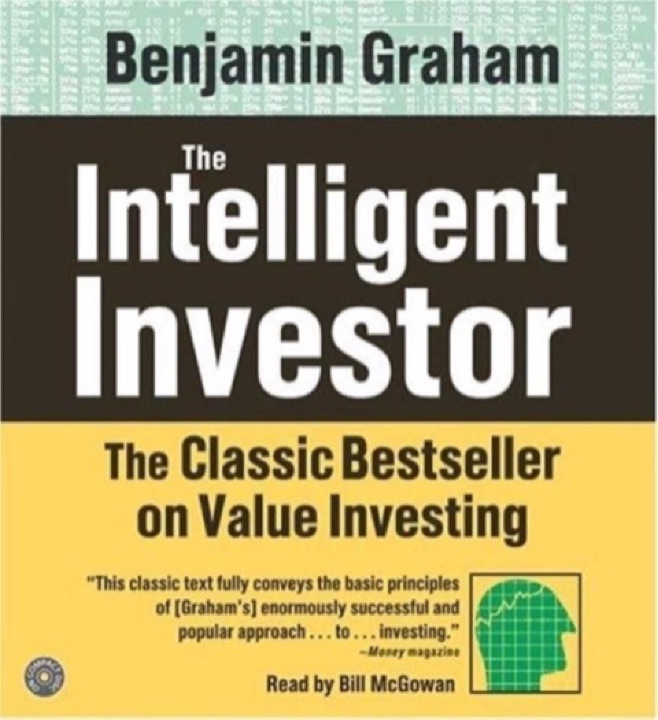
The Intelligent Investor
Applying the lessons from "The Intelligent Investor" by Benjamin Graham to your life can be both practical and philosophical, given your experiences and values. Here are some ways you might integrate these lessons:
-
Distinguish Between Investment and Speculation: Just as you approach life with a focus on long-term goals and values, apply the same principle to your financial decisions. Ensure that your investments are based on thorough analysis and align with your long-term objectives, rather than being swayed by short-term market trends or emotional impulses.
-
Embrace a Rational Approach: Your calm demeanor in stressful situations, such as during plane crashes, mirrors Graham's advice to remain rational and composed in the face of market fluctuations. Apply this rationality to all aspects of life, ensuring decisions are made with a clear mind and sound judgment.
-
Diversification is Key: Just as you have a wide range of interests and hobbies, diversify your investments to spread risk. This approach can also be applied to your personal growth and experiences, ensuring a balanced and fulfilling life.
-
Understand Your Investor Type: Recognize whether you are more of a defensive or enterprising investor. Given your resilience and persistence, you might lean towards being enterprising, seeking opportunities for growth while still maintaining a margin of safety.
-
Focus on Quality and Value: In both investments and personal relationships, prioritize quality and value. Invest in companies with strong fundamentals and nurture relationships that are meaningful and enriching.
-
Use the Margin of Safety: Apply the concept of a margin of safety not only in investments but also in life decisions. This could mean having a backup plan or ensuring you have the resources and support needed to weather unexpected challenges.
-
Learn from Market History: Just as you learn from past experiences and failures, study historical market trends to inform your investment decisions. This historical perspective can also guide your understanding of societal changes and personal growth.
-
Be Wary of Market Sentiment: Your ability to remain calm and composed can help you navigate the irrational behavior of markets. Use this skill to identify opportunities during downturns and maintain a steady course in life despite external pressures.
-
Evaluate Investment Funds Carefully: Just as you carefully consider your actions and their impact on others, evaluate investment opportunities with a critical eye, ensuring they align with your values and financial goals.
-
Continuous Learning and Adaptation: Your commitment to being a lifelong learner aligns with Graham's emphasis on continuous education. Stay informed about market developments and be open to adapting your strategies as needed.
By integrating these principles into your life, you can achieve a balanced approach to investing and personal growth, ensuring that your actions are aligned with your values and long-term aspirations.
What the book covers
"The Intelligent Investor" by Benjamin Graham is a seminal book on value investing, first published in 1949. It has been widely regarded as one of the best books on investing ever written. Graham, known as the "father of value investing," provides a comprehensive guide to investing with a focus on minimizing risk and maximizing long-term returns. Here is a thorough summary of the book, along with key takeaways and lessons:
Summary:
Introduction:
Graham introduces the concept of the "intelligent investor," who is patient, disciplined, and eager to learn. He emphasizes the importance of a rational approach to investing, focusing on long-term strategies rather than short-term market fluctuations.
Part 1: Investment vs. Speculation
Graham distinguishes between investment and speculation. Investment involves thorough analysis, promises safety of principal, and provides an adequate return. Speculation, on the other hand, is based on market trends and price movements without a solid foundation.
Part 2: The Investor and Inflation
Graham discusses the impact of inflation on investments. He suggests that investors should consider inflation when evaluating the real return on their investments and recommends diversifying into stocks and bonds to hedge against inflation.
Part 3: A Century of Stock-Market History
This section provides a historical analysis of the stock market, emphasizing the cyclical nature of markets. Graham advises investors to learn from past market trends and to be cautious during periods of excessive optimism or pessimism.
Part 4: General Portfolio Policy
Graham outlines the principles of portfolio management, advocating for a balanced approach between stocks and bonds. He introduces the concept of the "defensive investor" and the "enterprising investor," each with different strategies based on risk tolerance and involvement level.
Part 5: The Defensive Investor
For defensive investors, Graham recommends a passive approach with a focus on diversification, quality, and long-term holding. He suggests investing in large, well-established companies with a history of stable earnings and dividends.
Part 6: The Enterprising Investor
Enterprising investors are encouraged to take a more active role in their investments, seeking undervalued stocks with potential for growth. Graham emphasizes the importance of thorough research and analysis to identify such opportunities.
Part 7: Security Analysis for the Lay Investor
Graham provides guidance on analyzing individual stocks, focusing on financial statements, earnings, dividends, and the company's overall financial health. He introduces the concept of "margin of safety," which involves buying stocks at a price below their intrinsic value to reduce risk.
Part 8: The Investor and Market Fluctuations
Graham advises investors to remain calm during market fluctuations and to avoid emotional reactions. He introduces the allegory of "Mr. Market," a metaphor for the stock market's irrational behavior, and suggests using market volatility to one's advantage by buying undervalued stocks.
Part 9: Investing in Investment Funds
Graham discusses the pros and cons of mutual funds and investment trusts, recommending that investors carefully evaluate the performance and fees of such funds before investing.
Part 10: The Margin of Safety
The concept of the margin of safety is central to Graham's philosophy. It involves investing with a cushion to protect against errors in judgment or unforeseen market events. This principle is crucial for minimizing risk and ensuring long-term success.
Key Takeaways and Lessons:
-
Distinguish Between Investment and Speculation: Always base investment decisions on thorough analysis and a focus on long-term value rather than short-term market trends.
-
Embrace a Rational Approach: Avoid emotional reactions to market fluctuations and maintain a disciplined, patient investment strategy.
-
Diversification is Key: Spread investments across different asset classes to reduce risk and protect against market volatility.
-
Understand Your Investor Type: Determine whether you are a defensive or enterprising investor and tailor your strategy accordingly.
-
Focus on Quality and Value: Invest in well-established companies with strong financials and a history of stable earnings and dividends.
-
Use the Margin of Safety: Always invest with a margin of safety to protect against potential losses and ensure a buffer for unforeseen events.
-
Learn from Market History: Study past market trends to understand the cyclical nature of markets and avoid repeating mistakes.
-
Be Wary of Market Sentiment: Recognize the irrational behavior of the market and use it to your advantage by buying undervalued stocks during downturns.
-
Evaluate Investment Funds Carefully: Consider the performance, fees, and management of mutual funds before investing.
-
Continuous Learning and Adaptation: Stay informed and continuously educate yourself about market developments and investment strategies.
Overall, "The Intelligent Investor" provides timeless wisdom on investing, emphasizing the importance of a disciplined, value-oriented approach to achieve long-term financial success.