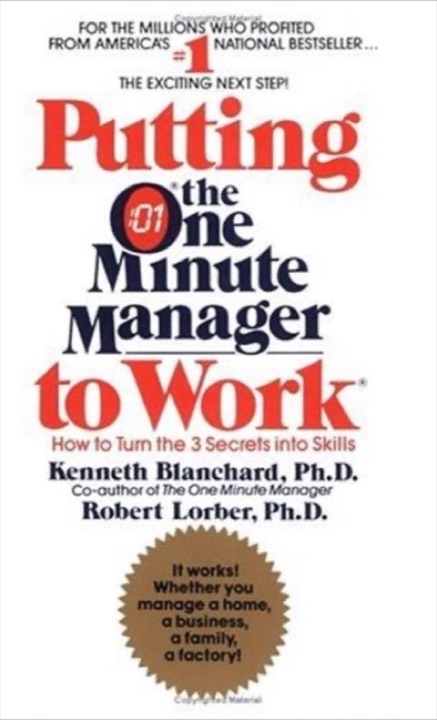
Putting the One Minute Manager to Work
Applying the lessons from "Putting the One Minute Manager to Work" by Kenneth Blanchard to your life can enhance your personal and professional interactions, given your values and experiences. Here’s how you might integrate these principles:
-
One Minute Goals: - Personal Life: Set clear, concise goals for your personal aspirations, such as skydiving or living in the moment. Write them down in a brief format and review them regularly to ensure they remain relevant and achievable. - Professional Life: Use this principle to align your work in the emergency department or any other professional endeavors. Clearly define what success looks like for each task or project and communicate these goals to any team members involved.
-
One Minute Praisings: - Personal Life: Recognize and appreciate the positive actions of your family and friends. For example, when your children or grandchildren do something commendable, acknowledge it immediately to reinforce their behavior and strengthen your relationships. - Professional Life: In your role as a physician, praise colleagues and staff when they perform well. This can boost morale and encourage a positive work environment, aligning with your values of kindness and empathy.
-
One Minute Reprimands: - Personal Life: When conflicts arise with family or friends, address issues promptly and focus on the behavior rather than the person. This approach can help maintain strong, healthy relationships. - Professional Life: If a colleague or subordinate makes a mistake, address it immediately and constructively. Ensure they understand the issue and reaffirm their value to the team, fostering a supportive and productive work environment.
Key Takeaways and Lessons:
-
Clarity and Communication: Use clear communication to express your expectations and desires in both personal and professional settings. This aligns with your direct communication style and helps prevent misunderstandings.
-
Timely Feedback: Provide immediate feedback to those around you, whether it's praise or constructive criticism. This can help reinforce positive behaviors and correct mistakes before they become habits.
-
Balance of Praise and Reprimand: Strive for a balanced approach in your interactions, using praise and reprimand appropriately. This can foster a positive environment and encourage continuous improvement, aligning with your belief in kindness and empathy.
-
Empowerment and Autonomy: Encourage those around you to take ownership of their actions by setting clear goals and providing timely feedback. This can lead to increased autonomy and satisfaction, both personally and professionally.
-
Consistency: Apply these principles consistently to build trust and respect in your relationships, whether with family, friends, or colleagues.
-
Focus on Behavior, Not Person: When addressing issues, focus on behaviors rather than personal attributes. This ensures feedback is constructive and focused on improvement, aligning with your ethical beliefs.
By integrating these principles into your life, you can enhance your interactions, foster positive relationships, and achieve your personal and professional goals while staying true to your core values and beliefs.
What the book covers
"Putting the One Minute Manager to Work" by Kenneth Blanchard is a follow-up to the bestselling book "The One Minute Manager." This book delves deeper into the practical application of the principles introduced in the original, focusing on how managers can effectively implement these strategies in their daily work to improve productivity and employee satisfaction.
Summary:
The book is structured around the three core principles of One Minute Management, which are:
-
One Minute Goals: - This principle emphasizes the importance of setting clear, concise goals that can be reviewed in a minute or less. The idea is to ensure that both managers and employees have a clear understanding of what is expected, which helps in aligning efforts and resources towards achieving these goals. - Goals should be written down in 250 words or less and reviewed frequently to ensure they remain relevant and achievable.
-
One Minute Praisings: - Recognizing and praising employees immediately when they do something right is crucial. This principle is about catching people doing the right things and reinforcing positive behavior. - The praise should be specific, sincere, and should focus on the behavior rather than the person, which helps in building confidence and motivation.
-
One Minute Reprimands: - When an employee makes a mistake, it is important to address it promptly. The reprimand should be immediate, specific, and focus on the behavior, not the person. - After the reprimand, it is important to reaffirm the employee's value to the organization, ensuring that the criticism is constructive and not demoralizing.
Key Takeaways and Lessons:
-
Clarity and Communication: Clear communication of goals and expectations is fundamental to effective management. Employees perform better when they know exactly what is expected of them.
-
Timely Feedback: Providing immediate feedback, whether positive or negative, helps in reinforcing desired behaviors and correcting mistakes before they become habits.
-
Balance of Praise and Reprimand: A balanced approach to management, where praise and reprimand are used appropriately, fosters a positive work environment and encourages continuous improvement.
-
Empowerment and Autonomy: By setting clear goals and providing timely feedback, managers empower employees to take ownership of their work, leading to increased autonomy and job satisfaction.
-
Consistency: Consistent application of these principles helps in building trust and respect between managers and employees, which is essential for a productive workplace.
-
Focus on Behavior, Not Person: Addressing behaviors rather than personal attributes ensures that feedback is constructive and focused on improvement rather than personal criticism.
In essence, "Putting the One Minute Manager to Work" provides practical guidance on how to implement the One Minute Manager principles in real-world settings, emphasizing the importance of clear communication, timely feedback, and a balanced approach to management. These strategies aim to enhance productivity, foster a positive work environment, and improve overall organizational effectiveness.