The Art for War for Executives
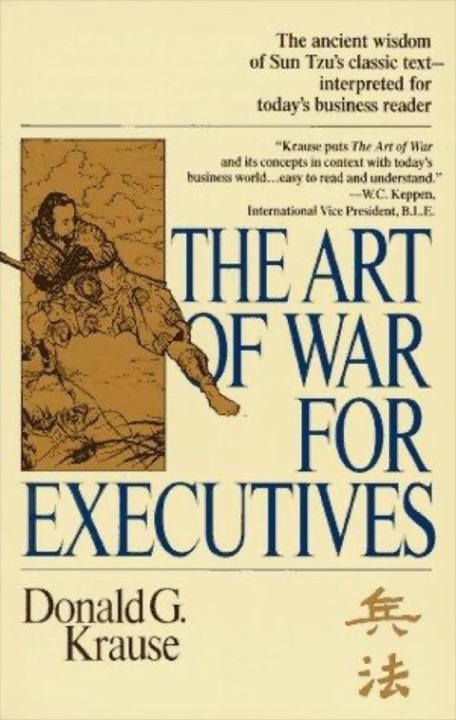
Given your rich life experiences and personal philosophy, you can apply the lessons from "The Art of War for Executives" by Donald Krause in several meaningful ways:
-
Understanding the Competitive Environment: - Leverage your awareness of societal and cultural shifts to better navigate personal and professional landscapes. Your sensitivity to social issues can help you anticipate changes and adapt accordingly.
-
Strategic Planning: - Use your ability to make quick, informed decisions to develop flexible strategies in your personal and professional life. This could involve setting clear goals for your advocacy work or personal projects, while remaining open to adjusting your plans as new opportunities or challenges arise.
-
Leadership and Decision-Making: - Continue to inspire and motivate those around you with your resilience and humor. Your approach to decision-making, which involves gathering information and seeking input, aligns well with the book's emphasis on informed leadership.
-
Resource Management: - Apply your efficient use of time and energy to maximize your impact in areas you are passionate about, such as activism and advocacy. This could involve prioritizing projects that align with your values and making the most of your skills and connections.
-
Deception and Competitive Advantage: - While deception may not align with your ethical beliefs, you can use strategic positioning and innovation to gain an edge in your endeavors. This might involve creative problem-solving or finding unique ways to advocate for social issues.
-
Flexibility and Adaptability: - Embrace your natural adaptability and openness to change. Whether it's pursuing new hobbies like skydiving or adjusting to societal changes, your flexibility can help you thrive in various situations.
-
Risk Management: - Your experience with high-stakes situations, such as plane crashes, has likely honed your ability to assess and manage risks. Apply this skill to personal and professional decisions, ensuring you have contingency plans in place.
-
Building Strong Teams: - Foster collaboration and trust in your relationships, whether with family, friends, or colleagues. Your emphasis on loyalty and presence in friendships can help you build strong, supportive networks.
-
Continuous Improvement: - Maintain your mindset of being in a constant state of beta. Continue to seek personal growth and learning opportunities, whether through reading, traveling, or engaging in new experiences.
By integrating these principles into your life, you can enhance your ability to navigate challenges, seize opportunities, and make a positive impact in the areas that matter most to you.
What the book covers
"The Art of War for Executives" by Donald Krause is a modern adaptation of Sun Tzu's ancient military treatise, "The Art of War," tailored for business leaders and executives. Krause translates the strategic principles of warfare into practical advice for navigating the competitive landscape of the business world. Here is a thorough summary of the book, including key takeaways and lessons:
Summary:
-
Understanding the Competitive Environment: - Krause emphasizes the importance of understanding the business environment and the competitive landscape. Just as a general must know the battlefield, executives must be aware of market conditions, competitors, and internal capabilities.
-
Strategic Planning: - The book highlights the necessity of strategic planning. Executives should develop clear, flexible strategies that can adapt to changing circumstances. Planning involves setting objectives, understanding resources, and anticipating competitors' moves.
-
Leadership and Decision-Making: - Effective leadership is crucial. Krause draws parallels between military commanders and business leaders, stressing the importance of decisive, informed decision-making. Leaders should inspire confidence and maintain the morale of their teams.
-
Resource Management: - Efficient use of resources is a recurring theme. Executives should allocate resources wisely, ensuring that they are used to maximize competitive advantage. This includes financial, human, and technological resources.
-
Deception and Competitive Advantage: - Krause discusses the role of deception in gaining a competitive edge. In business, this might involve strategic marketing, innovation, or positioning that confounds competitors and captures market share.
-
Flexibility and Adaptability: - The ability to adapt to new challenges and opportunities is vital. Krause advises executives to remain flexible, ready to pivot strategies as needed to respond to market shifts or unexpected obstacles.
-
Risk Management: - Understanding and managing risk is essential. Executives should assess potential risks and develop contingency plans to mitigate them, ensuring the organization can withstand adverse conditions.
-
Building Strong Teams: - The book underscores the importance of building and maintaining strong, cohesive teams. Successful executives foster collaboration, trust, and a shared vision among team members.
-
Continuous Improvement: - Krause advocates for a culture of continuous improvement. Organizations should strive for excellence by constantly evaluating and refining processes, products, and strategies.
Key Takeaways and Lessons:
-
Know Your Environment: Just as in warfare, understanding the terrain is crucial. In business, this means having a deep knowledge of the market, competitors, and internal capabilities.
-
Plan Strategically: Develop clear, adaptable strategies that align with your objectives and resources. Be prepared to adjust plans as circumstances change.
-
Lead Effectively: Strong leadership is essential for success. Inspire and motivate your team, make informed decisions, and maintain high morale.
-
Use Resources Wisely: Allocate resources efficiently to maximize impact and competitive advantage.
-
Embrace Flexibility: Be ready to adapt to new challenges and opportunities. Flexibility can be a significant advantage in a dynamic business environment.
-
Manage Risks: Identify potential risks and develop strategies to mitigate them, ensuring resilience in the face of adversity.
-
Foster Teamwork: Build strong, cohesive teams that work collaboratively towards common goals.
-
Pursue Continuous Improvement: Encourage a culture of innovation and improvement to stay ahead in the competitive landscape.
Overall, "The Art of War for Executives" provides timeless strategic insights adapted for the modern business world, offering valuable guidance for leaders seeking to navigate the complexities of today's competitive environment.