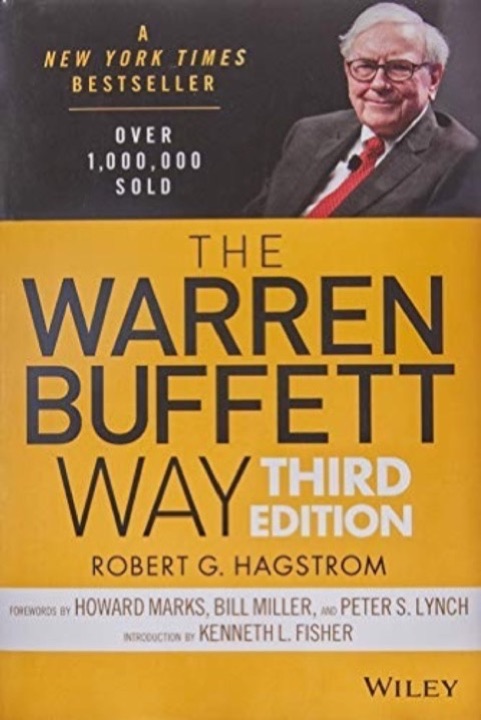
The Warren Buffett Way
Applying the lessons from "The Warren Buffett Way" to your life can be a rewarding endeavor, especially given your diverse experiences and interests. Here are some ways you might integrate Buffett's principles into your personal and professional life:
-
Investment Philosophy: - Value Investing: Consider applying the concept of value investing to various aspects of your life, not just financial investments. This could mean investing your time and energy into relationships, hobbies, or projects that offer long-term value and fulfillment. - Intrinsic Value: Focus on the intrinsic value of your pursuits. Whether it's your career, hobbies, or personal growth, evaluate them based on their fundamental worth and potential for long-term satisfaction.
-
Business and Management Tenets: - Understanding and Consistency: In your professional life, strive to deeply understand the fields you are involved in, such as medicine and aviation. Consistency in your actions and decisions can lead to better outcomes and personal satisfaction. - Quality of Management: When collaborating with others, prioritize working with individuals who share your values of honesty, competence, and success. This aligns with your emphasis on kindness and empathy.
-
Financial Tenets: - Strong Fundamentals: Apply the principle of focusing on strong fundamentals to your personal finances. Ensure that your financial decisions are based on sound principles, such as maintaining low debt and generating savings for future endeavors, like traveling or trying new experiences like skydiving.
-
Market Tenets: - Contrarian Approach: Embrace your independent thinking and willingness to stand up for what you believe in, even if it goes against the mainstream. This aligns with Buffett's contrarian approach and can be applied to social issues you are passionate about, such as equality and civil rights.
-
Long-Term Focus: - Patience and Discipline: Continue to cultivate patience and discipline in your personal and professional life. Your commitment to lifelong learning and personal growth reflects this long-term focus, which can lead to sustained success and fulfillment.
-
Circle of Competence: - Stick to What You Know: Leverage your expertise in areas like medicine, aviation, and personal development. By focusing on your strengths and areas of competence, you can make informed decisions and avoid unnecessary risks.
-
Margin of Safety: - Risk Management: Apply the concept of a margin of safety to your decision-making processes. Whether it's in your career, investments, or personal life, ensure that you have a buffer to protect against unforeseen challenges or setbacks.
-
Emotional Control: - Calm Decision-Making: Your ability to remain calm under pressure is a valuable asset. Continue to practice emotional control, especially in high-stress situations, to make rational and effective decisions.
-
Continuous Learning: - Lifelong Learning: Your commitment to being a lifelong learner aligns perfectly with Buffett's philosophy. Continue to seek knowledge and experiences that enrich your life and contribute to your personal and professional growth.
By integrating these principles into your life, you can enhance your decision-making, strengthen your relationships, and pursue your goals with greater clarity and purpose.
What the book covers
"The Warren Buffett Way" by Robert G. Hagstrom is a comprehensive exploration of the investment strategies and philosophies of Warren Buffett, one of the most successful investors of all time. The book delves into the principles that have guided Buffett's investment decisions and offers insights into how these can be applied by individual investors.
Summary:
-
Investment Philosophy: - The book outlines Buffett's investment philosophy, which is heavily influenced by the teachings of Benjamin Graham and David Dodd. Buffett emphasizes the importance of value investing, which involves buying stocks that are undervalued by the market. - Buffett focuses on the intrinsic value of a company, which is determined by its fundamentals, such as earnings, dividends, and growth potential.
-
Business Tenets: - Hagstrom discusses the business tenets that Buffett considers when evaluating potential investments. These include understanding the business, looking for companies with a consistent operating history, and assessing the long-term prospects of the business.
-
Management Tenets: - The book highlights the importance Buffett places on the quality of a company's management. He looks for managers who are honest, competent, and have a track record of success.
-
Financial Tenets: - Buffett's financial criteria include a focus on companies with strong profit margins, high returns on equity, and low levels of debt. He also prefers companies that generate significant free cash flow.
-
Market Tenets: - Buffett is known for his contrarian approach to the market. He advises investors to be fearful when others are greedy and greedy when others are fearful. This means buying when the market is down and selling when it is up.
-
Case Studies: - Hagstrom provides detailed case studies of some of Buffett's most famous investments, such as Coca-Cola, American Express, and GEICO. These examples illustrate how Buffett applies his investment principles in practice.
Key Takeaways and Lessons:
-
Long-Term Focus: Buffett's success is largely due to his long-term investment horizon. He believes in buying and holding quality companies for the long haul, rather than seeking short-term gains.
-
Circle of Competence: Investors should stick to industries and businesses they understand. This concept, known as the "circle of competence," helps investors make informed decisions and avoid unnecessary risks.
-
Margin of Safety: A core principle of value investing is the margin of safety, which involves buying securities at a significant discount to their intrinsic value. This provides a cushion against errors in judgment or market volatility.
-
Patience and Discipline: Successful investing requires patience and discipline. Buffett advises against impulsive decisions and stresses the importance of waiting for the right opportunities.
-
Emotional Control: Investors should remain rational and avoid being swayed by market emotions. Buffett's ability to stay calm during market fluctuations is a key component of his success.
-
Continuous Learning: Buffett is a voracious reader and lifelong learner. He believes that continuous education is essential for making informed investment decisions.
Overall, "The Warren Buffett Way" provides valuable insights into the mindset and strategies of one of the greatest investors of all time. By understanding and applying Buffett's principles, investors can improve their own investment practices and increase their chances of success.