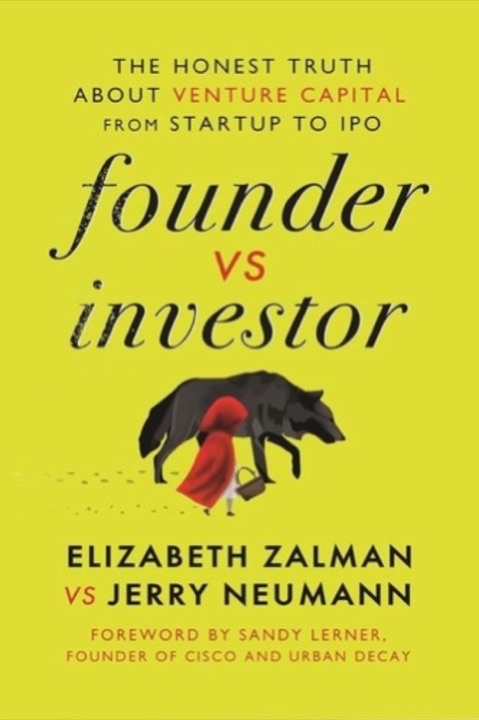
Founder vs Investor: The Honest Truth About Venture Capital from Startup to IPO
Applying the lessons from "Founder vs Investor: The Honest Truth About Venture Capital from Startup to IPO" by Elizabeth Joy Zalman and Jerry Neumann to your life can be insightful, especially considering your diverse experiences and values. Here’s how you might integrate some of the book's key themes into your personal and professional life:
-
Alignment of Interests: - Just as the book emphasizes aligning interests between founders and investors, you can apply this principle in your relationships and collaborations. Whether in your personal life or professional endeavors, ensure that your goals and values align with those you engage with. This can lead to more harmonious and productive interactions.
-
Effective Communication: - The importance of clear communication is a central theme in the book. Given your direct and humorous communication style, continue to prioritize transparency and openness in your interactions. This can help prevent misunderstandings and build stronger connections with others.
-
Understanding Different Perspectives: - The book encourages understanding the investor's perspective. Similarly, in your life, strive to see situations from others' viewpoints, whether in personal relationships or professional settings. This empathy can enhance your ability to connect with and support others.
-
Flexibility and Adaptability: - The startup world requires flexibility, a trait you already value. Continue to embrace change and adaptability in your life, whether facing unexpected challenges or pursuing new opportunities like skydiving.
-
Balancing Long-Term Vision with Short-Term Gains: - The tension between long-term vision and short-term gains is relevant to your life philosophy. Stay true to your long-term goals and values, such as kindness and empathy, while also being mindful of immediate needs and realities.
-
Navigating Conflicts: - The book offers strategies for managing conflicts, which can be applied to your life. Use your calm demeanor and problem-solving skills to address disputes constructively, whether in personal relationships or professional settings.
-
Preparation for Success: - Just as the book discusses preparing for a successful exit, apply this mindset to your personal goals. Whether it's achieving a dream like skydiving or living in the moment, plan and prepare to maximize your chances of success.
-
Lifelong Learning and Growth: - Your commitment to being a lifelong learner aligns with the book's emphasis on growth. Continue to seek knowledge and experiences that challenge and expand your understanding, just as you do with your daily routine and personal development.
By integrating these lessons into your life, you can enhance your relationships, achieve your goals, and continue to grow both personally and professionally.
What the book covers
"Founder vs Investor: The Honest Truth About Venture Capital from Startup to IPO" by Elizabeth Joy Zalman and Jerry Neumann offers an insightful exploration into the often complex and sometimes contentious relationship between startup founders and venture capital investors. The book is structured to provide a dual perspective, with Zalman representing the founder's viewpoint and Neumann offering insights from the investor's side. This dual narrative allows readers to gain a comprehensive understanding of the dynamics at play in the venture capital ecosystem.
Summary:
-
Understanding the Dynamics: - The book begins by outlining the fundamental differences in motivations and objectives between founders and investors. Founders are typically driven by a vision and passion for their product or service, while investors are primarily focused on financial returns. - Zalman and Neumann discuss how these differing priorities can lead to misunderstandings and conflicts, emphasizing the importance of clear communication and alignment of goals.
-
The Fundraising Process: - The authors provide a detailed walkthrough of the fundraising process, from initial pitches to closing a deal. They highlight the importance of preparation, understanding term sheets, and the negotiation process. - Zalman shares personal anecdotes from her experiences as a founder, offering practical advice on how to effectively pitch to investors and what pitfalls to avoid.
-
Building and Scaling a Startup: - The book delves into the challenges of scaling a startup, including hiring, product development, and market expansion. Zalman and Neumann discuss how investors can provide valuable support and resources during this phase, but also how they might exert pressure for rapid growth. - The authors stress the importance of maintaining a balance between growth and sustainability, and the potential risks of scaling too quickly.
-
Navigating Conflicts: - Conflicts between founders and investors are inevitable, and the book provides strategies for managing these disputes. Zalman and Neumann emphasize the importance of transparency, setting clear expectations, and having open lines of communication. - They also discuss the role of the board of directors and how it can be a source of both support and tension.
-
Preparing for an Exit: - The final sections of the book focus on the exit strategies, whether through an IPO, acquisition, or other means. The authors discuss the pros and cons of different exit paths and how they align with the goals of both founders and investors. - Zalman and Neumann provide insights into the preparation required for a successful exit and the potential challenges that can arise during this process.
Key Takeaways and Lessons:
-
Alignment of Interests: One of the central themes is the importance of aligning the interests of founders and investors from the outset. This alignment can prevent many common conflicts and ensure a more harmonious partnership.
-
Communication is Key: Effective communication is crucial at every stage of the startup journey. Founders should be transparent about their challenges and progress, while investors should provide constructive feedback and support.
-
Understanding the Investor's Perspective: Founders can benefit from understanding the investor's perspective, including their need for returns and their fiduciary responsibilities to their limited partners.
-
The Importance of Flexibility: Both founders and investors should remain flexible and adaptable, as the startup landscape is unpredictable and requires quick decision-making and adjustments.
-
Long-Term Vision vs. Short-Term Gains: The book highlights the tension between long-term vision and short-term financial gains. Founders should remain true to their vision while also considering the financial realities and expectations of their investors.
Overall, "Founder vs Investor" provides a balanced and nuanced view of the startup ecosystem, offering valuable insights for both aspiring entrepreneurs and seasoned investors. The book's dual perspective approach makes it a unique and informative read for anyone interested in the dynamics of venture capital.