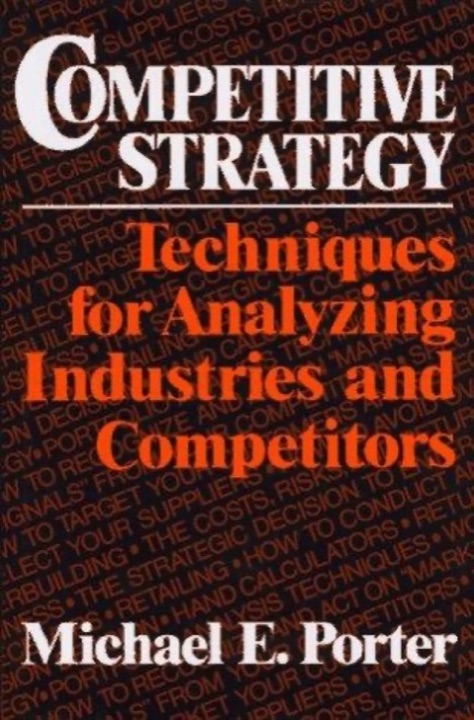
Competitive Strategy: Techniques for Analyzing Industries and Competitors
Applying the lessons from Michael E. Porter's "Competitive Strategy: Techniques for Analyzing Industries and Competitors" to your life can be insightful, especially given your diverse experiences and values. Here’s how you might integrate some of the key concepts into your personal and professional life:
Personal Life:
-
Five Forces Framework: - Threat of New Entrants: Consider how new experiences or challenges might enter your life. Stay open to new opportunities and be prepared to adapt to changes, much like you have with your near-death experiences. - Bargaining Power of Suppliers and Buyers: Reflect on the relationships and influences in your life. Ensure that you maintain a balance where you are not overly dependent on others for your happiness or success. - Threat of Substitutes: Explore alternative hobbies or interests that could enrich your life, such as skydiving, which you’ve always wanted to try. - Rivalry Among Existing Competitors: In personal growth, view your past self as the competitor. Strive to improve and outdo your previous achievements, much like your approach to personal development.
-
Generic Competitive Strategies: - Cost Leadership: In personal finance, aim to manage your resources efficiently. This could mean budgeting effectively to support your hobbies and travel aspirations. - Differentiation: Embrace what makes you unique, such as your humor and resilience. Use these traits to build strong relationships and create memorable experiences. - Focus: Concentrate on areas of life that matter most to you, like family and activism. Your focus on kindness and empathy aligns with this strategy.
-
Value Chain Analysis: - Break down your daily routine and activities to identify areas where you can optimize your time and energy. For example, your structured morning routine is a great start, but consider if there are other areas where you can streamline or enhance your effectiveness.
-
Competitive Scope: - Define the scope of your personal goals and aspirations. Be clear about the areas you want to impact, such as social issues or personal achievements, and allocate your resources accordingly.
-
Industry Evolution: - Stay adaptable to changes in your personal and professional environments. Just as industries evolve, so do personal circumstances. Your ability to remain optimistic and resilient will help you navigate these changes.
-
Strategic Groups: - Identify the groups or communities you belong to, such as family, friends, or professional networks. Understanding these dynamics can help you leverage support and identify opportunities for collaboration or growth.
Professional Life:
-
Holistic Industry Analysis: - Apply the Five Forces Framework to analyze your professional environment, whether in medicine or any other field you engage with. Understanding these forces can help you navigate challenges and identify opportunities for advancement.
-
Sustainable Competitive Advantage: - Leverage your unique skills and experiences, such as your medical expertise and resilience, to create a niche for yourself in your professional field.
-
Adaptability to Industry Changes: - Stay informed about technological advancements and changes in your industry. Your forward-thinking approach to technology can help you remain relevant and innovative in your career.
-
Strategic Group Analysis: - Identify your professional peers and competitors. Understanding their strategies can help you position yourself effectively and identify areas for collaboration or differentiation.
By integrating these strategic concepts into your life, you can enhance your personal growth, professional success, and overall fulfillment. Your resilience, humor, and empathy are already strong foundations that align well with Porter's strategic principles.
What the book covers
"Competitive Strategy: Techniques for Analyzing Industries and Competitors" by Michael E. Porter is a seminal work in the field of business strategy. Published in 1980, the book introduces several key concepts that have become foundational in strategic management and competitive analysis. Here is a thorough summary of the book, along with key takeaways and lessons:
Summary:
Introduction:
Porter begins by emphasizing the importance of understanding the competitive forces within an industry to develop effective strategies. He introduces the concept of competitive strategy as a means to achieve a sustainable competitive advantage.
The Five Forces Framework:
One of the most significant contributions of the book is the Five Forces Framework, which helps analyze the competitive environment of an industry. The five forces are:
- Threat of New Entrants: The ease or difficulty with which new competitors can enter the market.
- Bargaining Power of Suppliers: The power suppliers have to drive up prices or reduce the quality of goods and services.
- Bargaining Power of Buyers: The influence customers have on pricing and quality.
- Threat of Substitute Products or Services: The likelihood of customers finding a different way of doing what you do.
- Rivalry Among Existing Competitors: The intensity of competition among existing firms in the industry.
These forces determine the profitability and attractiveness of an industry.
Generic Competitive Strategies:
Porter outlines three generic strategies that companies can use to achieve competitive advantage:
- Cost Leadership: Becoming the lowest-cost producer in the industry, allowing the company to offer lower prices or achieve higher margins.
- Differentiation: Offering unique products or services that are valued by customers, allowing the company to charge premium prices.
- Focus: Targeting a specific market niche, either through cost focus or differentiation focus.
Value Chain Analysis:
Porter introduces the concept of the value chain, which breaks down a company’s activities into primary and support activities. By analyzing each activity, companies can identify areas where they can achieve cost advantages or differentiation.
Competitive Scope:
Porter discusses the importance of defining the competitive scope, which includes the range of products, geographic markets, and segments a company competes in. A well-defined scope can enhance a company’s competitive position.
Industry Evolution:
The book examines how industries evolve over time and how companies can anticipate and respond to changes. Porter emphasizes the importance of understanding industry life cycles and the impact of technological change.
Strategic Groups:
Porter introduces the concept of strategic groups, which are clusters of firms within an industry that follow similar strategies. Understanding strategic groups can help companies identify direct competitors and potential opportunities.
Key Takeaways and Lessons:
-
Holistic Industry Analysis: Understanding the five forces is crucial for assessing industry attractiveness and developing strategies that can withstand competitive pressures.
-
Sustainable Competitive Advantage: Achieving a sustainable competitive advantage requires choosing the right generic strategy and aligning it with the company’s strengths and market conditions.
-
Importance of Differentiation: Differentiation can provide a competitive edge by creating unique value for customers, but it requires continuous innovation and understanding of customer needs.
-
Cost Leadership Requires Efficiency: Achieving cost leadership demands operational efficiency, economies of scale, and cost control across the value chain.
-
Focus Strategy for Niche Markets: A focus strategy can be effective for companies with limited resources or those serving specialized markets, but it requires deep understanding of the niche.
-
Adaptability to Industry Changes: Companies must be adaptable and responsive to industry changes, technological advancements, and shifts in consumer preferences.
-
Strategic Group Analysis: Identifying strategic groups within an industry can help companies understand competitive dynamics and identify opportunities for differentiation or cost leadership.
Porter's "Competitive Strategy" remains a foundational text for understanding competitive dynamics and developing strategies that lead to long-term success. The frameworks and concepts introduced in the book continue to be widely used by businesses and strategists worldwide.