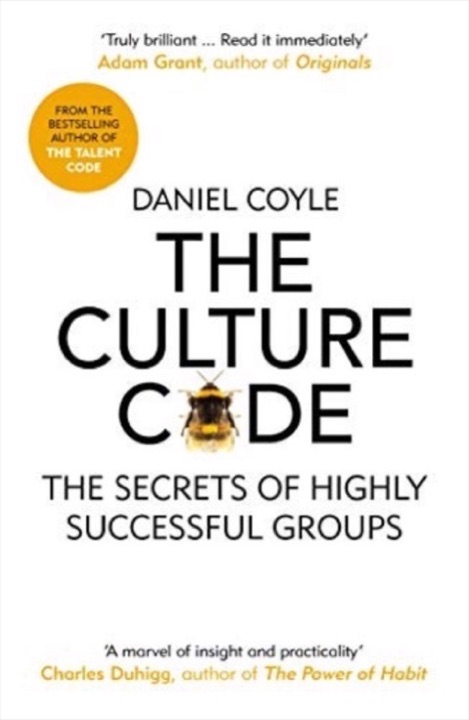
The Culture Code: The Secrets of Highly Successful Groups
Applying the lessons from "The Culture Code" by Daniel Coyle to your life can enhance your personal and professional relationships, as well as your overall approach to group dynamics. Here’s how you might integrate these concepts:
-
Foster Safety in Relationships: Given your emphasis on kindness and empathy, you can further cultivate environments where people feel safe to express themselves. Whether in your family, friendships, or professional settings, continue to be approachable and actively listen to others. Your direct and humorous communication style can help put people at ease, reinforcing a sense of safety.
-
Embrace Vulnerability: You already value openness and have shared personal stories, such as your near-death experiences and your journey with your birth mother. Continue to model vulnerability by sharing your uncertainties and learning from failures. This can strengthen trust and deepen connections with those around you.
-
Clarify and Communicate Purpose: You have a strong sense of purpose, particularly in areas like social equality and advocacy. Clearly communicate this purpose in your interactions and activities. Whether it's through your activism or your role as a physician, consistently align your actions with your core values and inspire others to join you in these efforts.
-
Leverage Small Actions to Build Culture: Recognize that culture is built through everyday interactions. Your daily routine, commitment to personal growth, and the way you engage with others all contribute to the culture you create. Be mindful of how small actions, like showing appreciation or offering support, can reinforce the values you hold dear.
-
Encourage Feedback and Continuous Learning: Your approach to handling criticism—listening quietly and asking questions—aligns well with fostering a culture of feedback. Encourage open dialogue and constructive feedback in your relationships and professional settings to promote continuous learning and improvement.
-
Promote Diversity and Inclusion: Your passion for equality and understanding of shared human experiences can drive efforts to promote diversity and inclusion. Engage with diverse perspectives and encourage others to do the same, enriching the culture of any group you are part of.
-
Use Rituals and Symbols to Reinforce Values: Consider incorporating rituals or symbols that reflect your values and purpose. This could be as simple as regular family gatherings, shared traditions, or symbolic gestures that reinforce the importance of kindness, empathy, and resilience.
By integrating these principles into your life, you can enhance the environments you are part of, making them more cohesive, trusting, and purpose-driven. Your commitment to personal growth, kindness, and resilience will naturally align with the lessons from "The Culture Code," helping you to continue thriving in your personal and professional endeavors.
What the book covers
"The Culture Code: The Secrets of Highly Successful Groups" by Daniel Coyle explores the dynamics that make groups successful. Coyle delves into the concept of culture within organizations and teams, identifying the key components that contribute to a thriving group environment. He draws on a wide range of examples from various fields, including sports teams, businesses, and even military units, to illustrate how effective cultures are built and maintained.
Key Concepts:
-
Safety: Coyle emphasizes the importance of creating a safe environment where team members feel secure and valued. This sense of safety encourages open communication, risk-taking, and collaboration. Leaders can foster safety by being approachable, showing vulnerability, and actively listening to their team members.
-
Vulnerability: Vulnerability is crucial for building trust within a group. Coyle argues that leaders should model vulnerability by admitting mistakes and uncertainties, which encourages others to do the same. This openness leads to stronger connections and a more cohesive team.
-
Purpose: A clear and compelling purpose aligns the efforts of group members and provides motivation. Coyle suggests that successful groups have a strong sense of purpose that is communicated consistently and reinforced through actions and rituals.
Structure of the Book:
-
Part 1: Build Safety: This section discusses the importance of creating a safe environment and how it can be achieved. Coyle provides examples of organizations that have successfully built a culture of safety and the positive outcomes that resulted.
-
Part 2: Share Vulnerability: Here, Coyle explores how vulnerability can be a powerful tool for building trust and cohesion. He shares stories of leaders who have embraced vulnerability and the impact it had on their teams.
-
Part 3: Establish Purpose: The final section focuses on the role of purpose in driving group success. Coyle examines how a shared purpose can unify a team and propel them towards their goals.
Key Takeaways and Lessons:
-
Psychological Safety is Foundational: Creating an environment where team members feel safe to express themselves without fear of judgment or retribution is crucial for fostering innovation and collaboration.
-
Embrace and Model Vulnerability: Leaders should not shy away from showing vulnerability. By doing so, they set a precedent for openness and trust within the team.
-
Purpose Drives Performance: A clear and compelling purpose can inspire and motivate team members, aligning their efforts towards a common goal.
-
Small Actions Matter: Culture is built through small, consistent actions rather than grand gestures. Everyday interactions and behaviors contribute significantly to the overall culture of a group.
-
Feedback is Essential: Constructive feedback helps teams improve and adapt. Encouraging a culture of feedback can lead to continuous learning and development.
-
Diversity and Inclusion Enhance Culture: Diverse teams bring a variety of perspectives and ideas, which can lead to more innovative solutions and a richer group culture.
-
Rituals and Symbols Reinforce Culture: Regular rituals and symbols can help reinforce the values and purpose of a group, making them more tangible and memorable for team members.
In summary, "The Culture Code" provides a comprehensive look at the elements that contribute to successful group cultures. By focusing on safety, vulnerability, and purpose, leaders can cultivate environments where teams thrive and achieve remarkable results.