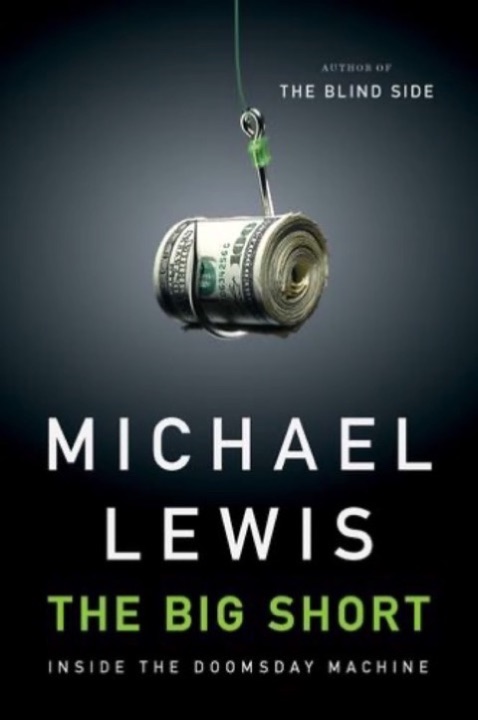
The Big Short
Applying the lessons from "The Big Short" to your life involves embracing skepticism, conducting thorough research, and being prepared to act on your convictions, even when they go against the prevailing wisdom. Here are some ways you might integrate these lessons into your life:
-
Embrace Skepticism and Independent Thinking: - Just as the protagonists in "The Big Short" questioned the prevailing beliefs about the housing market, you can apply skepticism to various aspects of your life. Whether it's evaluating investment opportunities, making career decisions, or assessing societal trends, don't be afraid to question the status quo and seek out your own answers.
-
Conduct Thorough Research: - The individuals in the book conducted deep research to understand the flaws in the financial system. Similarly, you can apply this approach to your personal and professional endeavors. Whether it's a new hobby, a business venture, or a social issue you're passionate about, invest time in understanding the nuances and complexities involved.
-
Be Prepared to Act on Your Convictions: - The protagonists took bold actions based on their beliefs, despite facing skepticism. In your life, be ready to act on your convictions, even if it means going against popular opinion. This might involve making unconventional career choices, advocating for social issues you care about, or pursuing personal goals that others might not understand.
-
Recognize Systemic Risks and Moral Hazards: - The book highlights the dangers of systemic risks and moral hazards. In your life, be aware of the potential risks in interconnected systems, whether they're financial, social, or personal. Consider how your actions and decisions might contribute to or mitigate these risks.
-
Value Ethical Considerations: - The ethical questions raised in "The Big Short" can serve as a reminder to prioritize ethics in your decisions. As someone who values kindness and empathy, continue to let these principles guide your actions, especially in situations where ethical dilemmas arise.
-
Reform Incentive Structures: - Misaligned incentives played a significant role in the financial crisis. In your personal and professional life, consider how incentives might be structured to encourage long-term stability and ethical behavior. This might involve setting personal goals that align with your values or advocating for fair practices in your workplace.
By integrating these lessons into your life, you can navigate challenges with a critical eye, make informed decisions, and uphold your values of kindness and empathy. These principles can help you continue to grow and contribute positively to the world around you.
What the book covers
"The Big Short: Inside the Doomsday Machine" by Michael Lewis is a non-fiction book that delves into the financial crisis of 2007-2008, focusing on the build-up of the housing and credit bubble. The book provides a detailed account of how a few individuals foresaw the collapse of the housing market and bet against it, making significant profits in the process. Here is a thorough summary of the book, along with key takeaways and lessons:
Summary:
-
Introduction to the Financial Crisis: - The book begins by explaining the context of the financial crisis, highlighting the role of subprime mortgages and the housing bubble. It sets the stage for understanding how complex financial instruments like mortgage-backed securities (MBS) and collateralized debt obligations (CDOs) contributed to the crisis.
-
Key Characters: - Michael Burry: A neurologist-turned-hedge fund manager who discovers the instability in the subprime mortgage market. He creates credit default swaps (CDS) to bet against these mortgages. - Steve Eisman: A blunt and outspoken hedge fund manager who becomes skeptical of the subprime mortgage market after investigating the practices of mortgage lenders. - Greg Lippmann: A Deutsche Bank trader who recognizes the potential to profit from the impending collapse and spreads the idea of shorting the housing market. - Charlie Ledley, Jamie Mai, and Ben Hockett: Founders of Cornwall Capital, a small investment firm that identifies the opportunity to short the housing market and makes significant profits.
-
The Mechanics of the Crisis: - Lewis explains the intricacies of financial instruments like MBS, CDOs, and CDS, and how they were used to create a false sense of security in the housing market. The book details how these instruments were rated by credit rating agencies and sold to investors, despite their inherent risks.
-
The Betting Against the Market: - The protagonists of the book, including Burry, Eisman, and others, conduct deep research and analysis to understand the flaws in the housing market. They face skepticism and resistance from the financial industry but remain convinced of their thesis.
-
The Collapse: - As the housing market begins to crumble, the book describes the chaos and panic that ensue in the financial markets. The protagonists' bets pay off, resulting in massive profits, but also highlighting the systemic failures and greed within the financial system.
-
Aftermath and Reflection: - The book concludes with reflections on the aftermath of the crisis, including the impact on the global economy and the lack of accountability for those responsible. It raises questions about the ethics and practices of the financial industry.
Key Takeaways and Lessons:
-
Complexity and Lack of Transparency: - The crisis was exacerbated by the complexity and lack of transparency in financial products. Investors and regulators often did not fully understand the risks involved.
-
Importance of Skepticism: - The individuals who profited from the crisis were those who questioned the prevailing wisdom and conducted their own research. Skepticism and independent thinking can be valuable in identifying risks and opportunities.
-
Systemic Risk and Moral Hazard: - The book highlights the systemic risks posed by interconnected financial institutions and the moral hazard created by the expectation of government bailouts.
-
Failure of Regulatory Oversight: - Regulatory bodies failed to identify and mitigate the risks in the financial system, partly due to their reliance on flawed credit ratings and assumptions.
-
Ethical Considerations: - The crisis raises ethical questions about the behavior of financial institutions and the impact of their actions on ordinary people. It underscores the need for ethical standards and accountability in finance.
-
The Role of Incentives: - Misaligned incentives, such as those encouraging short-term profits over long-term stability, played a significant role in the crisis. Reforming incentive structures is crucial to prevent future crises.
"The Big Short" serves as a cautionary tale about the dangers of unchecked financial innovation, the importance of critical thinking, and the need for robust regulatory frameworks to safeguard the economy.