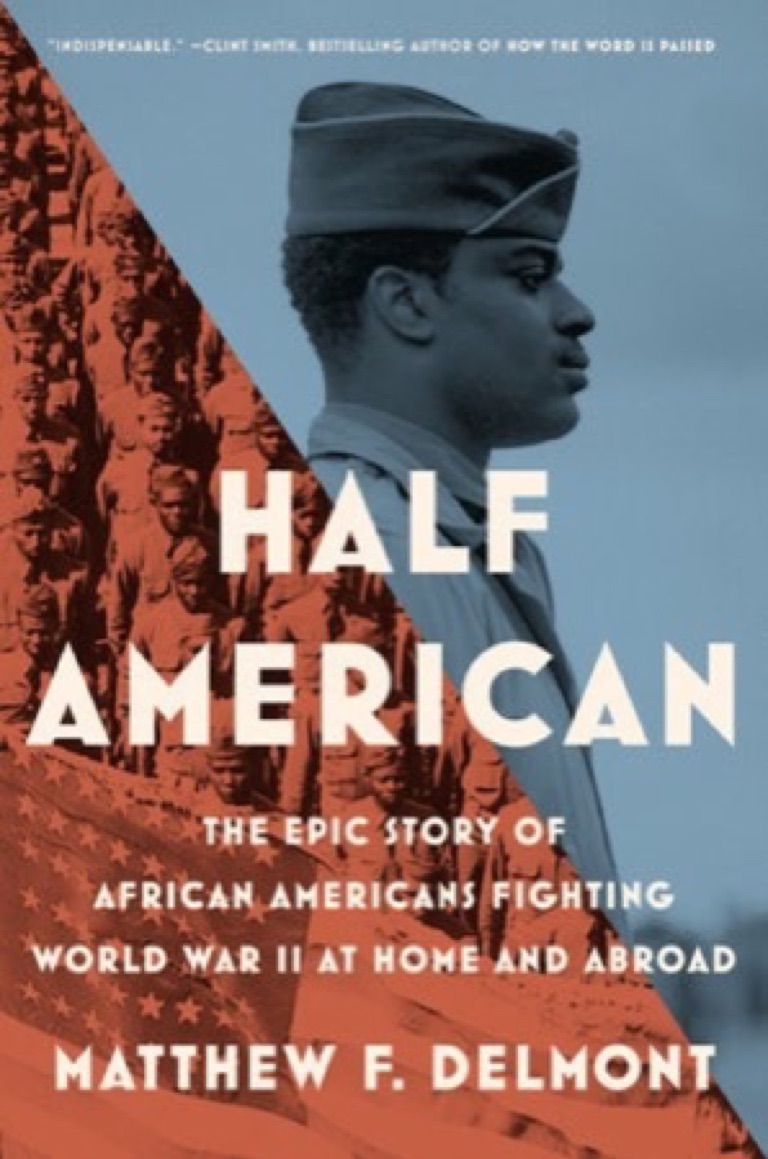
Half American: The Epic Story of African Americans Fighting World War II at Home and Abroad
Applying the lessons from "Half American: The Epic Story of African Americans Fighting World War II at Home and Abroad" by Matthew F. Delmont to your life can be a transformative exercise in understanding the intersection of perseverance, systemic change, and the true meaning of leadership. Here are some ways you might integrate these lessons:
- Leading Through Dual Crises: - As a leader in healthcare or business, you must recognize that your team members often face personal or societal "fronts" that exist outside the immediate mission. Understanding the "Double V" mindset teaches you to lead with empathy, acknowledging that peak performance often requires navigating internal organizational challenges alongside external market pressures.
- Valuing the Supply Chain of Success: - Just as the Red Ball Express was the unsung hero of the European theater, you should recognize the "logistics" of your own ventures. Whether in medicine or entrepreneurship, the support staff and operational infrastructure are the backbone of your success; ensuring these contributors are valued and empowered is essential for long-term viability.
- Navigating Systemic Resistance: - In your legal and entrepreneurial pursuits, you will encounter entrenched systems that resist change. The persistence of figures like A. Philip Randolph reminds you that systemic barriers are rarely dismantled through patience alone, but through strategic pressure, collective action, and the refusal to accept a "half" version of success.
- The Pilot’s Perspective on Competence: - Drawing from the Tuskegee Airmen, you can apply the standard of "excellence as a necessity." In high-stakes environments like aviation or emergency medicine, being "good enough" is not an option when the stakes are life and death, especially when you are operating in a space where others may be waiting for you to fail.
- Advocating for Equitable Opportunity: - Use your platform in venture capital and law to bridge the gap created by historical exclusions. Recognizing how wealth and opportunity were historically gated allows you to more effectively champion meritocracy and invest in underrepresented founders who possess the resilience of those Delmont profiles.
- Embracing Global Citizenship: - As a lifelong learner, you should seek out international perspectives that challenge your domestic assumptions. Seeing how Black soldiers found new clarity abroad suggests that you should regularly step outside your comfort zone to gain a clearer view of the strengths and weaknesses of your own culture and industry.
By integrating these lessons, you develop a more nuanced approach to leadership that honors the complexity of human struggle and the necessity of justice. Embracing the "Stay Hungry, Stay Humble" mantra requires acknowledging the hard-fought battles of those who came before you, ensuring that your path to success is paved with both excellence and an unwavering commitment to the dignity of every individual in your orbit.
What the book covers
"Half American: The Epic Story of African Americans Fighting World War II at Home and Abroad" by Matthew F. Delmont is a comprehensive and corrective history of the Second World War through the lens of the millions of Black Americans who served. Delmont challenges the traditional "Greatest Generation" narrative by detailing how African Americans fought a two-front war—one against fascism abroad and another against systemic racism and Jim Crow at home. The book provides a vital re-examination of how Black labor, bravery, and political activism were essential to the Allied victory and the subsequent Civil Rights Movement.
Summary:
- The Double V Campaign: - Delmont centers the narrative on the "Double V" campaign, a concept popularized by the Black press following a letter from James G. Thompson to the Pittsburgh Courier. This movement argued that Black Americans should fight for victory over enemies abroad and victory over racism at home, creating a unifying rallying cry that linked global democracy to domestic citizenship.
- Resistance in Mobilization: - The book explores the systemic barriers Black citizens faced even before the U.S. officially entered the war, including exclusion from defense industry jobs and the segregated nature of the military. Leaders like A. Philip Randolph leveraged the threat of a March on Washington to force President Roosevelt to sign Executive Order 8802, which prohibited racial discrimination in the nation's defense industry.
- The Logistics of Victory: - A significant portion of the book highlights the often-overlooked "Red Ball Express," the massive convoy system manned primarily by Black soldiers that kept Allied armies supplied after the D-Day invasion. Delmont argues that the logistical expertise and grueling labor of these units were the true engines of the American war machine, debunking the idea that only front-line combat troops determined the outcome.
- Combat and Recognition: - While many Black soldiers were relegated to service roles, Delmont chronicles the heroism of units like the Tuskegee Airmen and the 761st Tank Battalion. He details how these soldiers had to perform flawlessly just to prove their basic competency to a skeptical white military establishment, often facing more hostility from their own countrymen than from the enemy.
- International Dynamics: - The narrative follows Black troops to Europe and the Pacific, where they often experienced more social freedom and respect than they did in the United States. This exposure to societies without formal Jim Crow laws fundamentally changed the expectations of Black veterans, fueling their resolve to dismantle American segregation upon their return.
- The Home Front and the Great Migration: - Delmont examines the "Second Great Migration," where Black families moved to Northern and Western cities to work in shipyards and factories. This shift created new economic opportunities but also led to heightened racial tensions and violent outbreaks, such as the 1943 Detroit race riot, illustrating that the "arsenal of democracy" was internally fractured.
- The Post-War Betrayal and Legacy: - The book concludes by analyzing the return of Black veterans who were often met with violence and the systematic denial of GI Bill benefits. This exclusion from the greatest wealth-building tool in American history created a lasting economic gap, yet the organizational skills and global perspective gained during the war became the foundation for the burgeoning Civil Rights Movement.
"Half American" is a crucial historical intervention that restores the Black experience to the center of the World War II narrative. By documenting the duality of patriotism and persecution, Delmont provides a more honest understanding of the war’s legacy and the ongoing American struggle for true equality.