Healing and the Mind
Given your rich life experiences and personal beliefs, there are several ways you might apply the lessons from "Healing and the Mind" by Bill Moyers to your life:
-
Holistic Health Approach: You already have a strong sense of resilience and a holistic view of life. Consider integrating more mind-body practices into your routine, such as mindfulness or meditation, to enhance your mental and physical well-being. This could complement your existing exercise regimen and help you live more in the moment, a goal you aspire to achieve.
-
Stress Management: While you seem to handle stress well, incorporating techniques like mindfulness or relaxation exercises could further enhance your ability to remain calm in high-pressure situations. This could be particularly useful given your high-stakes experiences, such as flying and working in emergency medicine.
-
Patient Empowerment: As a physician, you can apply the book's lessons by encouraging your patients to take an active role in their healing process. Educate them about the potential benefits of mind-body practices and alternative therapies, empowering them to explore what works best for them.
-
Cultural Sensitivity: Your appreciation for diverse perspectives can be further enriched by understanding different cultural approaches to healing. This could enhance your interactions with patients from various backgrounds and improve your ability to provide compassionate care.
-
Integration of Practices: Advocate for integrating mind-body practices into mainstream healthcare settings where you work. This aligns with your belief in leveraging technology and advancements for the betterment of mankind, as it could lead to more comprehensive and effective patient care.
-
Personal Growth and Reflection: Use the insights from the book to reflect on your personal growth journey. Consider how mind-body practices might help you achieve your aspiration of living in the moment and finding balance in your life.
-
Family and Relationships: Share the concepts of mind-body connection with your family, especially your children and grandchild. Encourage them to explore these practices as a way to enhance their own well-being and resilience.
By integrating these lessons into your life, you can continue to foster a holistic approach to health and well-being, both personally and professionally.
What the book covers
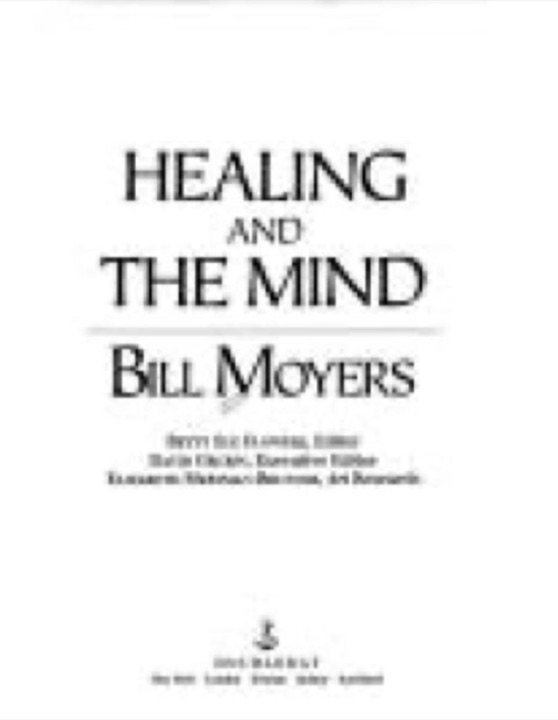
"Healing and the Mind" by Bill Moyers is a comprehensive exploration of the connection between the mind and body in the healing process. The book is based on a five-part PBS series that Moyers hosted, which delves into the ways in which mental and emotional states can influence physical health. Through interviews with doctors, scientists, patients, and practitioners of both Western and alternative medicine, Moyers investigates the power of the mind in healing and the potential for integrating these insights into modern medical practice.
Summary:
-
Introduction to Mind-Body Medicine: - Moyers begins by setting the stage for a discussion on how the mind and body are interconnected. He challenges the traditional Western medical model that often separates mental and physical health.
-
The Science of Mind-Body Connection: - The book explores scientific research that supports the idea that mental states can affect physical health. This includes studies on stress, the placebo effect, and the impact of emotions on the immune system.
-
Interviews with Experts: - Moyers interviews a range of experts, including physicians, psychologists, and researchers, who provide insights into how the mind influences health. Notable figures include Dr. Jon Kabat-Zinn, who discusses mindfulness and stress reduction, and Dr. Herbert Benson, known for his work on the relaxation response.
-
Patient Stories: - The book features stories from patients who have experienced the benefits of mind-body medicine. These narratives illustrate how techniques such as meditation, visualization, and biofeedback have helped individuals manage pain, reduce stress, and improve overall well-being.
-
Alternative and Complementary Therapies: - Moyers examines various alternative therapies, such as acupuncture, yoga, and traditional Chinese medicine, highlighting their potential role in holistic healing. He discusses how these practices can complement conventional medical treatments.
-
Cultural Perspectives on Healing: - The book also looks at different cultural approaches to healing, emphasizing the importance of understanding and respecting diverse medical traditions. Moyers visits communities and practitioners around the world to learn about their healing practices.
-
Integration into Modern Medicine: - Moyers advocates for the integration of mind-body practices into mainstream healthcare. He suggests that a more holistic approach could lead to better patient outcomes and a more compassionate healthcare system.
Key Takeaways and Lessons:
-
Holistic Approach: The book underscores the importance of treating the whole person—mind, body, and spirit—rather than just focusing on symptoms or diseases.
-
Power of the Mind: It highlights the significant impact that thoughts, emotions, and beliefs can have on physical health, suggesting that cultivating a positive mental state can aid in healing.
-
Stress Management: Techniques such as mindfulness, meditation, and relaxation are emphasized as effective tools for managing stress and improving health.
-
Patient Empowerment: Patients are encouraged to take an active role in their healing process, exploring various therapies and finding what works best for them.
-
Integration of Practices: The book advocates for a healthcare system that integrates conventional and alternative therapies, recognizing the value of both in promoting health and healing.
-
Cultural Sensitivity: Understanding and respecting different cultural approaches to medicine can enhance patient care and broaden the scope of healing practices.
Overall, "Healing and the Mind" invites readers to reconsider the relationship between mental and physical health and to embrace a more integrated approach to healing.