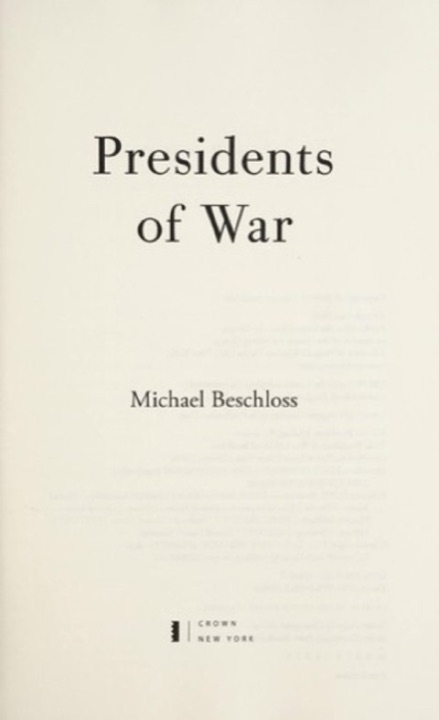
Presidents of War
Applying the lessons from "Presidents of War" by Michael Beschloss to your life can provide valuable insights into leadership, decision-making, and personal growth. Here are some ways you might integrate these lessons:
-
Complexity of Leadership: - Recognize that leadership, whether in personal or professional settings, involves navigating complex situations with far-reaching consequences. Embrace the challenges and use them as opportunities for growth, much like you have done in your career and personal life.
-
Balancing Power and Responsibility: - Just as presidents must balance executive power with accountability, strive to balance your influence and responsibilities in your roles, whether as a physician, family member, or friend. Ensure that your actions align with your core values of kindness and empathy.
-
Moral and Ethical Decision-Making: - Reflect on the moral and ethical dilemmas faced by wartime presidents and apply similar considerations to your decisions. Your commitment to kindness and ethical responsibility can guide you in making choices that positively impact others.
-
Public Opinion and Communication: - Understand the importance of communication and managing perceptions, as presidents do with public opinion. Your direct and humorous communication style can be a powerful tool in building relationships and conveying your values.
-
Learning from History: - Use historical context to inform your decisions and actions. Just as you draw inspiration from philosophers and thinkers, continue to learn from past experiences and apply those lessons to future challenges.
-
Resilience and Adaptability: - Embrace resilience, a theme in both the book and your life. Your ability to persist and adapt in the face of adversity is a strength that can help you navigate life's uncertainties.
-
Accountability and Reflection: - Hold yourself accountable for your actions, as presidents must do during wartime. Reflect on your decisions, learn from failures, and strive for continuous improvement, as you already do through daily self-evaluation.
-
Impact on Society: - Consider how your actions and decisions can contribute to societal betterment, much like the long-term impacts of presidential wartime decisions. Your advocacy work and commitment to social issues demonstrate your dedication to making a positive difference.
By integrating these lessons into your life, you can continue to lead with integrity, make informed decisions, and contribute positively to the world around you.
What the book covers
"Presidents of War" by Michael Beschloss is a comprehensive exploration of how American presidents have led the nation during times of war. The book spans from the early 19th century through the Vietnam War, examining the decisions, challenges, and impacts of wartime leadership. Beschloss delves into the personal and political lives of these presidents, offering insights into their motivations, struggles, and the consequences of their actions.
Key Themes and Content:
-
Presidential Power and War: - The book highlights how war has historically expanded presidential powers, often leading to significant constitutional and political implications. - Beschloss examines how presidents have navigated the balance between executive authority and congressional oversight.
-
Individual Leadership Styles: - Each president's unique approach to leadership during wartime is analyzed, from James Madison during the War of 1812 to Lyndon B. Johnson during the Vietnam War. - The book provides detailed portraits of these leaders, exploring their decision-making processes and the personal toll of war leadership.
-
Moral and Ethical Dilemmas: - Beschloss discusses the moral challenges faced by presidents, such as decisions about entering conflicts, civilian casualties, and the use of controversial tactics. - The book raises questions about the ethical responsibilities of a wartime leader.
-
Public Opinion and Media: - The influence of public opinion and media on presidential decisions is a recurring theme. - Beschloss illustrates how presidents have managed public perception and the role of propaganda in shaping support for wars.
-
Impact on American Society: - The book explores how wars have transformed American society, politics, and international standing. - Beschloss discusses the long-term consequences of wartime decisions on domestic and foreign policy.
Key Takeaways and Lessons:
- Complexity of Wartime Leadership:
-
Wartime leadership is fraught with complexity, requiring presidents to make decisions with far-reaching consequences under immense pressure.
-
Expansion of Executive Power:
-
War often leads to an expansion of executive power, which can have lasting impacts on the balance of power within the government.
-
Importance of Historical Context:
-
Understanding the historical context of each conflict is crucial for comprehending the decisions made by presidents and their subsequent impacts.
-
Moral Responsibility:
-
Presidents bear a significant moral responsibility for their wartime decisions, which can affect millions of lives and alter the course of history.
-
Public and Political Accountability:
-
The relationship between the president, Congress, and the public is vital in shaping wartime policy and ensuring accountability.
-
Lessons for Future Leaders:
- Future leaders can learn from the successes and failures of past presidents, emphasizing the importance of careful deliberation, ethical considerations, and the need for transparency and communication with the public.
Overall, "Presidents of War" provides a detailed and nuanced examination of presidential leadership during some of the most challenging periods in American history, offering valuable insights into the complexities and responsibilities of leading a nation in times of conflict.