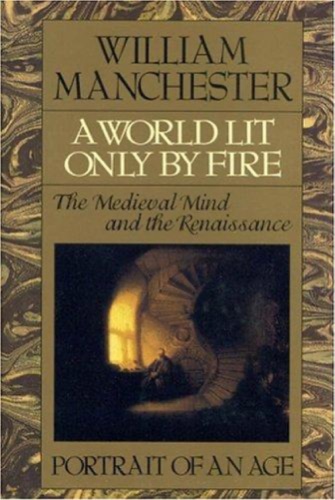
A World Lit Only by Fire: The Medieval Mind and the Renaissance: Portrait of an Age
Applying the lessons from "A World Lit Only by Fire" to your life can be a meaningful exercise, especially considering your rich personal history and values. Here are some ways you might integrate the book's themes into your life:
-
Embrace the Power of Ideas: Just as the printing press and new ideas transformed society during the Renaissance, you can continue to seek out and embrace new ideas and technologies in your personal and professional life. Your forward-thinking attitude towards technology and your desire to leverage it for the betterment of mankind align well with this lesson. Consider how you can use your knowledge and experiences to inspire others and drive positive change.
-
Questioning Authority and Seeking Knowledge: Your belief in questioning established authority and seeking knowledge independently resonates with the Renaissance spirit of inquiry. Continue to challenge conventional wisdom and encourage others to do the same, whether in your professional role or personal interactions. This approach can lead to personal growth and societal progress.
-
Fostering Humanism and Individualism: The Renaissance's emphasis on humanism and individual achievement aligns with your core values of kindness and empathy. Continue to nurture these values in your interactions with others, promoting acceptance and understanding. Your involvement in activism and advocacy work reflects this commitment to humanism.
-
Resilience and Adaptation: Your life experiences, including surviving plane crashes and overcoming personal challenges, demonstrate resilience. Like societies that adapted to the Black Death, you have shown the ability to thrive despite adversity. Use this resilience to continue pursuing your goals and supporting others in their journeys.
-
Interconnectedness of History: Recognize the interconnectedness of your experiences and how they shape your worldview. Your personal history, including your upbringing and significant life events, has influenced your beliefs and actions. Reflect on how these experiences connect to broader societal changes and how you can contribute to positive transformations.
By applying these lessons, you can continue to live a life that embodies the transformative spirit of the Renaissance, fostering growth, understanding, and progress in both your personal and professional endeavors.
What the book covers
"A World Lit Only by Fire: The Medieval Mind and the Renaissance: Portrait of an Age" by William Manchester is a historical narrative that explores the transition from the medieval period to the Renaissance. The book provides a vivid portrayal of the cultural, social, and intellectual transformations that occurred during this time.
Summary:
Part One: The Medieval Mind
Manchester begins by describing the medieval world, characterized by a rigid social hierarchy, widespread superstition, and a lack of scientific understanding. The medieval mind was dominated by the Church, which held immense power over people's lives and thoughts. The period was marked by a lack of progress and a general acceptance of the status quo. Manchester paints a picture of a world that was dark, both literally and metaphorically, with limited literacy and knowledge.
Part Two: The Shattering
The second part of the book, "The Shattering," details the events and figures that began to challenge the medieval mindset. Manchester discusses the impact of the Black Death, which decimated Europe's population and led to social and economic upheaval. He also highlights the role of key figures such as Johannes Gutenberg, whose invention of the printing press revolutionized the spread of information, and Martin Luther, whose 95 Theses sparked the Protestant Reformation.
Part Three: The Renaissance
In the final section, Manchester explores the Renaissance, a period of renewed interest in art, science, and the classical knowledge of ancient Greece and Rome. The Renaissance marked a shift towards humanism, where individuals began to question authority and seek knowledge for themselves. Manchester discusses the contributions of figures like Leonardo da Vinci, Michelangelo, and Copernicus, who exemplified the spirit of inquiry and innovation that defined the era.
Key Takeaways and Lessons:
-
The Power of Ideas: The book illustrates how new ideas and technologies, such as the printing press, can disrupt established systems and lead to significant cultural and intellectual shifts.
-
Questioning Authority: The transition from the medieval period to the Renaissance highlights the importance of questioning established authority and seeking knowledge independently.
-
Humanism and Individualism: The Renaissance emphasis on humanism and individual achievement laid the groundwork for modern Western thought, encouraging personal expression and scientific inquiry.
-
Resilience and Adaptation: The ability of societies to adapt to catastrophic events, such as the Black Death, demonstrates the resilience of human communities in the face of adversity.
-
Interconnectedness of History: Manchester's narrative shows how historical events are interconnected, with changes in one area (such as technology or religion) having wide-ranging impacts on society as a whole.
Overall, "A World Lit Only by Fire" provides a compelling account of a pivotal period in history, emphasizing the transformative power of ideas and the enduring human capacity for growth and change.