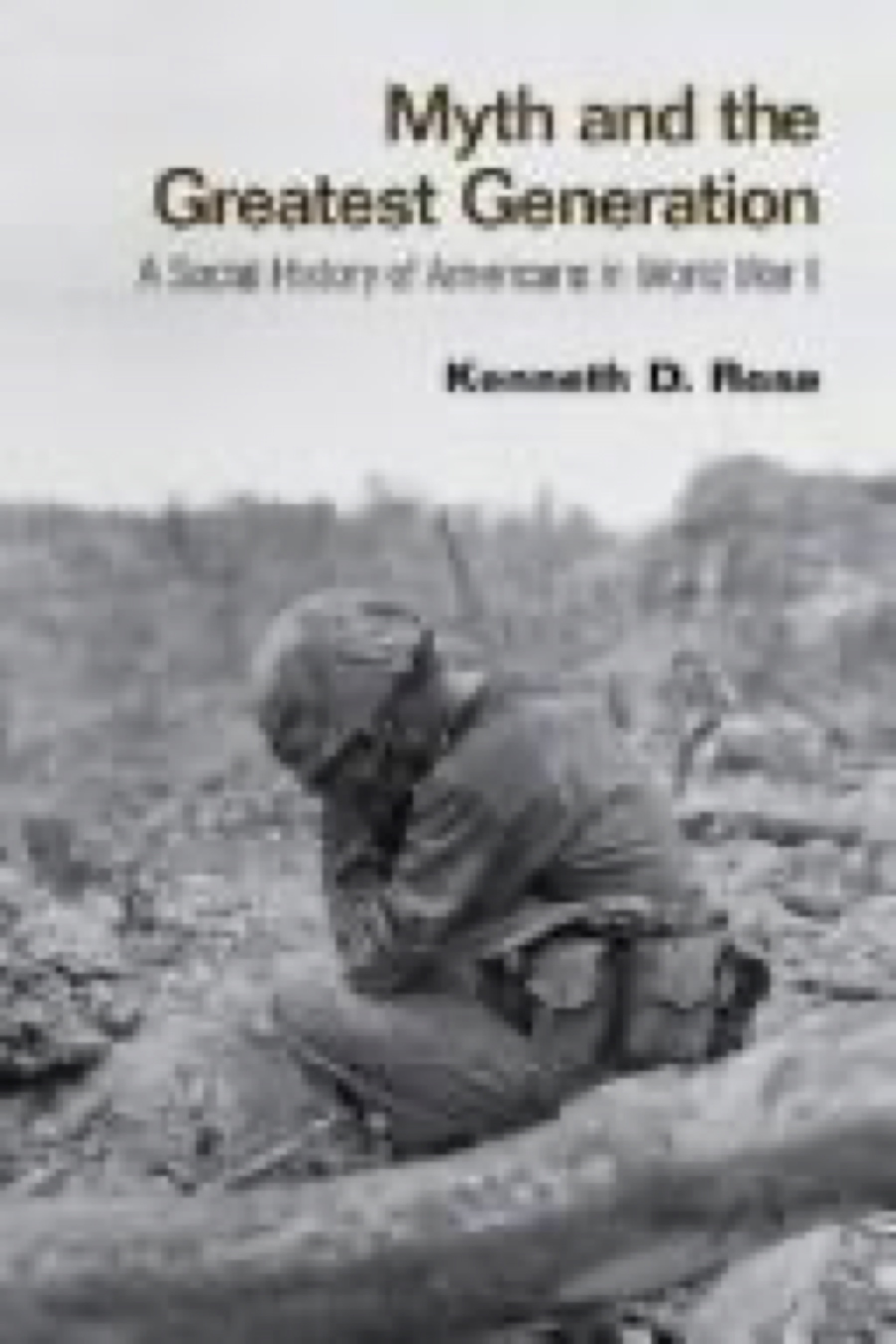
Myth and the Greatest Generation: A Social History of Americans in World War II
Applying the lessons from "Myth and the Greatest Generation: A Social History of Americans in World War II" by Kenneth D. Rose to your life can be a transformative exercise in critical thinking and empathetic leadership. Here are some ways you might integrate these lessons:
-
Question the Corporate Hagiography: Just as Rose deconstructs the myth of a perfect generation, you must be wary of "corporate myths" or success stories that omit the struggles and failures. In your work as a VC or entrepreneur, perform deep due diligence to find the messy reality beneath the polished pitch deck, as true strength is found in how problems are managed, not in their absence.
-
Lead with Empathy for Human Fragility: Rose’s exploration of combat fatigue serves as a powerful reminder of the psychological cost of high-stakes environments. Whether in the emergency department or a boardroom, you should recognize that even the most capable individuals have breaking points; fostering a culture that acknowledges mental health and burnout is essential for long-term organizational resilience.
-
Acknowledge and Address Internal Dissension: The book teaches that unity is often an illusion or a hard-won result of negotiation, not a natural state. When leading a team, don't ignore dissenting voices or assume everyone is "on board" just because the mission is noble; instead, actively engage with conflict to build a more authentic and durable consensus.
-
Commit to Genuine Inclusion Over Symbolism: The "Double V" campaign highlights the danger of fighting for values externally that are not practiced internally. In your legal or healthcare leadership, ensure that your commitment to equity is more than just branding; it must be reflected in the actual structures, hiring practices, and culture of your organizations.
-
Prepare for the "Post-War" Transition: The struggle of veterans to reintegrate suggests that the end of a major project or crisis requires as much planning as the crisis itself. Whether you are exiting a company or concluding a major medical initiative, you must focus on the "after-action" care for your people, ensuring they have the support needed to transition to the next phase of their careers.
-
Embrace the "Stay Hungry, Stay Humble" Ethic Through Realism: True humility comes from acknowledging that history—and our own lives—is a mix of achievement and error. By rejecting the "myth" of your own perfection or the perfection of your ventures, you remain open to learning and growth, ensuring that your hunger for progress is always tempered by an honest assessment of reality.
By integrating these lessons, you move beyond the surface-level narratives of success and heroism to lead with a grounded, realistic perspective. This approach not only makes you a more effective decision-maker in complex fields like law and venture capital but also fosters a more resilient and honest community around you.
What the book covers
"Myth and the Greatest Generation: A Social History of Americans in World War II" by Kenneth D. Rose is a critical examination of the romanticized narrative surrounding the American experience during the Second World War. Rose deconstructs the popular "Greatest Generation" trope by comparing it against the complex, often messy social history of the era. The book serves as a scholarly corrective, highlighting how internal divisions, resistance to service, and systemic inequalities were as much a part of the war years as the celebrated unity and sacrifice.
Summary:
-
The Construction of National Myth: Rose begins by dissecting the term "Greatest Generation," a phrase popularized by journalist Tom Brokaw in the late 1990s. He argues that this label has created a "hagiography" that obscures the actual experiences of those who lived through the era. By stripping away the layers of nostalgia, Rose reveals that the wartime generation was not a monolithic block of selfless heroes but a collection of individuals with the same fears, prejudices, and self-interests as any other generation.
-
The Reluctance of the Citizen Soldier: Contrary to the image of young men rushing to enlist after Pearl Harbor, Rose documents significant resistance to the draft and widespread anxiety about military service. He explores the phenomenon of "draft dodging" and the complex motivations of conscientious objectors, illustrating that the transition from a peaceful nation to a global military power was fraught with internal conflict and personal reluctance rather than universal eagerness.
-
Racial Injustice and the Double V Campaign: One of the most potent sections of the book deals with the systemic racism of 1940s America. Rose highlights the "Double V" campaign—victory over fascism abroad and victory over racism at home—pursued by African Americans. He details the hypocrisy of fighting for freedom in Europe while maintaining a segregated military and denying basic civil rights to Black citizens in the Jim Crow South, proving that national unity was far from a reality.
-
The Friction of the Home Front: While the American industrial machine is often celebrated as the "Arsenal of Democracy," Rose exposes the social friction that powered it. He describes labor strikes, race riots in cities like Detroit, and the flourishing of black markets for rationed goods. This section challenges the idea that the home front was a place of universal sacrifice, showing instead a society struggling with inflation, housing shortages, and domestic unrest.
-
Women and the Illusion of Permanent Change: The iconic "Rosie the Riveter" image is scrutinized as a temporary necessity rather than a social revolution. Rose explains that while millions of women entered the workforce, they faced significant hostility, lower pay, and the constant expectation that they would vacate their positions once the men returned. The post-war push back into domesticity reveals the limits of the wartime social shifts and the persistence of traditional gender roles.
-
The Psychological Toll of Combat: Rose delves into the grim reality of "combat fatigue" and the high rates of psychiatric casualties during the war. He argues that the myth of the "unbreakable soldier" did a disservice to those who suffered lasting psychological damage. By examining the military's often inadequate response to mental health issues, Rose highlights the human vulnerability that the romanticized narrative tends to ignore.
-
Memory and the Distortion of History: In his final analysis, Rose explores how the memory of the war has been curated and sanitized over time. He discusses the role of film, literature, and political rhetoric in shaping a version of WWII that serves contemporary political needs. This selective memory, he argues, prevents us from learning the true lessons of the conflict, which are found in its complexities and failures rather than its myths.
Rose’s work doesn't aim to diminish the achievement of the war, but to humanize it, suggesting that true courage lies in overcoming real human flaws rather than inhabiting a myth. By confronting the reality of the past, he invites readers to appreciate the actual struggles of those who lived through it, providing a more honest foundation for national identity.