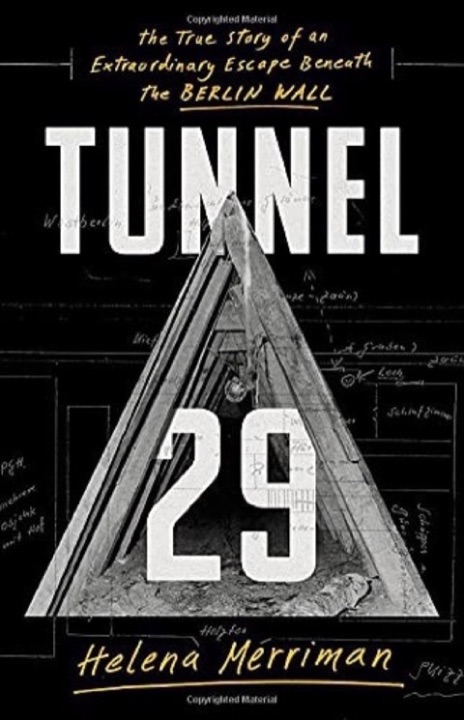
Tunnel 29
Applying the lessons from "Tunnel 29" by Helena Merriman to your life can be a meaningful exercise, especially given your rich experiences and values. Here are some ways you might integrate these lessons:
-
Courage and Resilience: - Reflect on your past experiences, such as surviving plane crashes, and recognize the courage and resilience you've already demonstrated. Use these qualities to continue facing life's challenges, whether personal or professional, with bravery and determination.
-
The Power of Collective Action: - Leverage your belief in teamwork and collaboration, as seen in your advocacy work and professional life. Continue to build strong networks and communities around shared goals, whether in activism, your career, or personal projects.
-
The Human Cost of Political Divisions: - Given your passion for social issues like equality and civil rights, use your voice and actions to bridge divides and promote understanding. Engage in conversations and initiatives that aim to heal societal rifts and advocate for those affected by political and social divisions.
-
Moral Complexity: - Embrace the moral complexities you encounter, whether in your medical practice or personal life. Continue to approach these situations with empathy and kindness, balancing your ethical beliefs with the realities of the world around you.
-
Historical Insight: - Use your understanding of history and its lessons to inform your actions and decisions. Whether it's in your advocacy work or personal growth, let the past guide you in making informed and compassionate choices for the future.
By integrating these lessons into your life, you can continue to live with purpose and impact, aligning with your core values of kindness, empathy, and resilience.
What the book covers
"Tunnel 29" by Helena Merriman is a gripping non-fiction account of one of the most daring escape attempts from East Berlin during the Cold War. The book is based on a true story and is meticulously researched, drawing on interviews, archival materials, and firsthand accounts to bring the narrative to life.
Summary:
Setting and Context: The story is set in Berlin during the early 1960s, a period marked by intense political tension and the construction of the Berlin Wall, which divided East and West Berlin. The Wall was a symbol of the Cold War, representing the ideological divide between communism and democracy.
Plot Overview: The central narrative follows a group of young West Berliners, led by Joachim Rudolph, who embark on a perilous mission to dig a tunnel under the Berlin Wall. Their goal is to help friends, family, and strangers escape from the oppressive regime of East Germany to the freedom of the West.
Key Characters: - Joachim Rudolph: A former East Berliner who had successfully escaped to the West. He becomes the leader of the tunnel project, driven by a deep sense of justice and a desire to reunite families. - The Tunnelers: A diverse group of students and activists who risk their lives to dig the tunnel. Each member has personal motivations, ranging from political beliefs to personal connections in the East.
Challenges and Risks: The tunnelers face numerous challenges, including the physical demands of digging, the constant threat of discovery by the Stasi (East German secret police), and the psychological toll of living under such high stakes. The operation is further complicated by espionage, as the Stasi infiltrate the group, adding layers of tension and danger.
Climax and Resolution: The climax of the story occurs as the tunnel nears completion, and the escape plan is set into motion. The narrative builds suspense as the escapees make their way through the tunnel, with the ever-present risk of detection. The resolution highlights the successful escape of several individuals, though not without losses and sacrifices.
Key Takeaways and Lessons:
-
Courage and Resilience: The story exemplifies the extraordinary courage and resilience of individuals who risk everything for freedom. It highlights the human spirit's capacity to endure and overcome seemingly insurmountable obstacles.
-
The Power of Collective Action: "Tunnel 29" underscores the importance of teamwork and solidarity. The success of the tunnel project depended on the collaboration and trust among the tunnelers, illustrating how collective action can achieve remarkable outcomes.
-
The Human Cost of Political Divisions: The book serves as a poignant reminder of the human cost of political ideologies and divisions. It personalizes the impact of the Berlin Wall, showing how it tore families apart and restricted basic freedoms.
-
Moral Complexity: The narrative delves into the moral complexities faced by the tunnelers, including the ethical dilemmas of risking lives and the consequences of their actions. It prompts readers to consider the difficult choices individuals must make in the face of oppression.
-
Historical Insight: "Tunnel 29" provides valuable historical insight into the Cold War era, particularly the realities of life in East Germany and the broader geopolitical tensions of the time. It enriches the reader's understanding of this critical period in history.
Overall, "Tunnel 29" is a compelling and inspiring story of bravery, sacrifice, and the relentless pursuit of freedom. It captures the essence of a pivotal moment in history and the enduring human desire for liberty and justice.