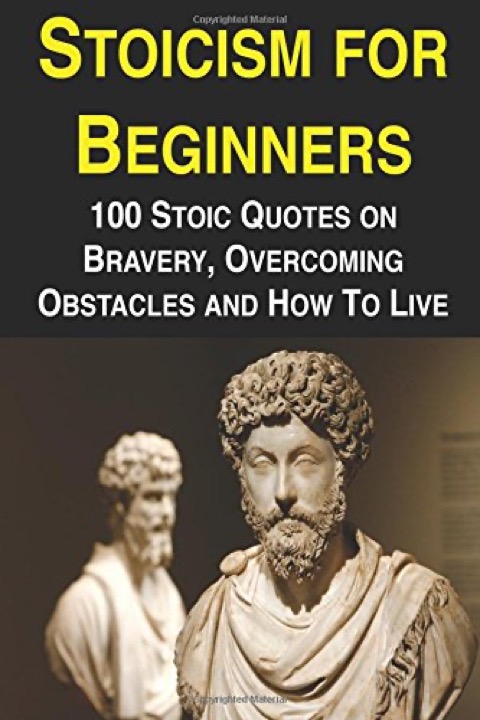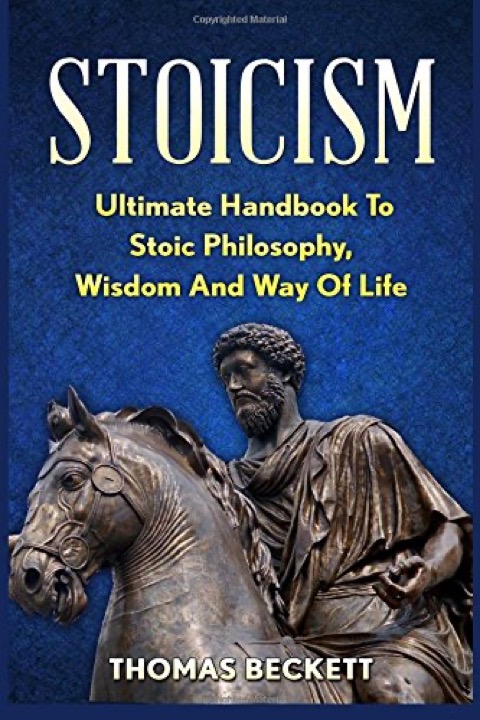
Stoicism: Ultimate Handbook to Stoic Philosophy, Wisdom and Way of Life
Applying the lessons from "Stoicism: Ultimate Handbook to Stoic Philosophy, Wisdom and Way of Life" by Thomas Beckett to your life can be a transformative journey toward peak performance and psychological resilience. Here are some ways you might integrate these lessons:
-
Master the Internal Environment: - In high-pressure fields like emergency medicine or venture capital, you often face chaotic variables beyond your control. You must practice the "Dichotomy of Control" by separating the patient’s outcome or the market's volatility from your own professional process; focus your energy entirely on the quality of your decisions and the discipline of your execution, as these are the only things truly within your grasp.
-
Adopt Radical Acceptance in Crisis: - Whether you are navigating a legal dispute or a mid-flight emergency, use the Stoic principle of accepting reality as it is, rather than how you wish it to be. By removing the emotional layer of "why is this happening to me," you can approach technical and interpersonal crises with the cold, clear logic required to find a viable solution.
-
Lead Through the Four Virtues: - As a serial entrepreneur and leader, you should use Wisdom, Justice, Courage, and Temperance as your primary management framework. Make decisions based on objective truth (Wisdom), treat every stakeholder with fairness (Justice), have the grit to stay the course during downturns (Courage), and avoid the pitfalls of ego and excess that often follow success (Temperance).
-
Utilize Negative Visualization for Preparedness: - Incorporate "Premeditatio Malorum" into your strategic planning for new business ventures or complex medical procedures. By explicitly imagining potential failure points and setbacks, you are not being pessimistic; rather, you are systematically preparing your mind to handle these issues calmly and effectively should they ever manifest.
-
Prioritize Your Character Over Reputation: - In the public eye of law and entrepreneurship, it is easy to become obsessed with external validation. You must redirect your focus inward, valuing your own moral assessment of your actions above the praise or criticism of the crowd. True success, according to Stoicism, is the knowledge that you acted with integrity, regardless of whether the world applauds you for it.
-
Maintain a Cosmic Perspective: - When the stresses of multiple careers and leadership roles feel overwhelming, employ the "View from Above" exercise. By zooming out and viewing your challenges in the context of the vastness of time and space, you can reduce the anxiety associated with daily obstacles and regain the clarity needed to lead with a "Stay Hungry, Stay Humble" spirit.
By integrating these lessons, you develop a "citadel of the mind" that remains impenetrable to the stresses of a multifaceted career. This philosophical grounding ensures that your drive for success is always balanced by internal tranquility, allowing you to lead, heal, and innovate with a presence of mind that inspires those around you.
What the book covers
"Stoicism: Ultimate Handbook to Stoic Philosophy, Wisdom and Way of Life" by Thomas Beckett is a comprehensive introductory guide designed to bridge the gap between ancient Hellenistic philosophy and the complexities of modern existence. The book demystifies the core tenets of Stoicism, presenting them as practical tools for building emotional resilience, clarity of thought, and moral integrity. By synthesizing the teachings of major Stoic thinkers like Marcus Aurelius, Seneca, and Epictetus, Beckett offers readers a roadmap for navigating life's inevitable challenges with equanimity and purpose.
Summary:
-
The Foundations of Stoic Thought: - Beckett begins by tracing the history of Stoicism from its inception with Zeno of Citium in Athens to its peak in the Roman Empire. The book establishes that Stoicism is not about being emotionless, but rather about refining one's character through the application of reason and the pursuit of "Eudaimonia," or human flourishing. - He introduces the three traditional branches of Stoic study—Logic, Physics, and Ethics—explaining how an understanding of the natural world and the mechanics of human thought provides the necessary foundation for living a virtuous and meaningful life.
-
The Dichotomy of Control: - A central pillar of the handbook is the concept of the "Dichotomy of Control," originally popularized by Epictetus. Beckett emphasizes that human suffering stems from the desire to control external events—such as the opinions of others, the outcomes of business ventures, or health—which are ultimately outside our power. - Instead, the book argues that we should focus our energy exclusively on what we can control: our own judgments, intentions, and actions. This shift in perspective transforms the individual from a victim of circumstance into an agent of their own internal peace.
-
Cultivating the Cardinal Virtues: - The text explores the four cardinal virtues—Wisdom, Justice, Courage, and Temperance—as the only true "goods" in life. Beckett breaks down how Wisdom involves logical decision-making, Justice encompasses our social obligations, Courage is the endurance of difficulty, and Temperance is the mastery of self-control. - He provides practical examples of how these virtues can be applied to modern dilemmas, illustrating that a life built on these principles is inherently resilient to the fluctuations of fortune and external chaos.
-
Cognitive Discipline and Emotional Management: - Beckett discusses the Stoic approach to emotions, distinguishing between "propatheiai" (involuntary feelings) and "passions" (unhealthy emotional responses triggered by false judgments). He explains that by examining our initial impressions of events, we can prevent them from spiraling into destructive anger, envy, or fear. - The book highlights the importance of maintaining an objective view of reality, stripping away the subjective narratives we often impose on our experiences, thereby reducing unnecessary psychological distress.
-
Practical Exercises for Daily Life: - The handbook details specific Stoic exercises intended for daily practice, such as "Premeditatio Malorum" (the premeditation of evils). This involves visualizing potential setbacks in advance to reduce their shock and prepare a rational response, effectively building mental fortitude. - Other practices include "Memento Mori," or reflecting on the transience of life to prioritize what is truly important, and "The View from Above," which involves looking at one's life from a cosmic perspective to diminish the perceived weight of trivial problems.
-
Living in Accordance with Nature: - Beckett explores the concept of living in harmony with "Nature," which for Stoics means using our unique capacity for reason and fulfilling our roles as social beings. He argues that we have a duty to contribute to the common good and maintain the "cosmopolis," or the global human community. - This section stresses that true success is not found in wealth or status, but in the excellence of one's character and the fulfillment of one's responsibilities to family, colleagues, and society at large.
Ultimately, "Stoicism: Ultimate Handbook to Stoic Philosophy, Wisdom and Way of Life" serves as a reminder that while we cannot govern the world around us, we possess absolute sovereignty over our internal landscape. Beckett’s work encourages a shift from reactive living to intentional existence, making it an essential resource for anyone seeking a more disciplined, ethical, and tranquil life.