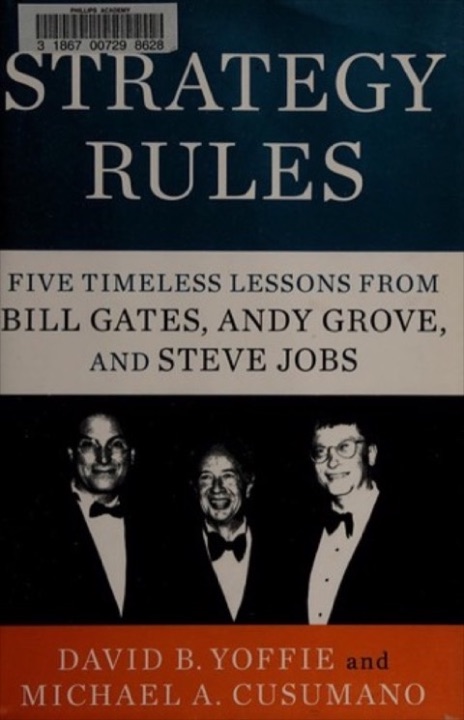
Strategy Rules: Five Timeless Lessons from Bill Gates, Andy Grove, and Steve Jobs
Applying the lessons from "Strategy Rules" to your life can be a transformative experience, given your rich background and personal philosophy. Here’s how you might integrate these lessons:
-
Look Forward, Reason Back: - You already have a strong sense of purpose and future aspirations, such as living in the moment and leveraging technology for societal betterment. Envision these goals clearly and work backward to identify the steps needed to achieve them. For instance, if you want to live more in the moment, consider mindfulness practices or setting aside specific times for reflection.
-
Make Big Bets, Without Betting the Company: - Your life experiences, such as surviving plane crashes, have reinforced your belief in having more to accomplish. Take calculated risks in pursuing new hobbies or ventures, like skydiving, but ensure they align with your core values and don't jeopardize your well-being or responsibilities.
-
Build Platforms and Ecosystems: - You value relationships and have a strong network of family and friends. Consider how you can create a personal "ecosystem" that supports your goals and values. This might involve fostering communities around your interests, such as advocacy work or technology, to create a supportive environment for growth and impact.
-
Exploit Leverage and Power—Play Judo and Sumo: - Your ability to remain calm and composed in stressful situations is a strength. Use this to your advantage by knowing when to be flexible and when to assert your influence. For example, in advocacy work, balance being adaptable to new strategies with standing firm on your core beliefs.
-
Shape the Company Around Your Personal Anchor: - Your personal anchors of kindness and empathy are evident in your interactions and decisions. Continue to infuse these values into all aspects of your life, from your professional work to your relationships. This alignment will ensure that your actions are consistent with your beliefs and contribute to your sense of fulfillment.
By integrating these strategic lessons into your life, you can enhance your personal growth, achieve your aspirations, and continue to make a positive impact on those around you.
What the book covers
"Strategy Rules: Five Timeless Lessons from Bill Gates, Andy Grove, and Steve Jobs" by David B. Yoffie and Michael A. Cusumano explores the strategic approaches and leadership styles of three iconic figures in the technology industry: Bill Gates of Microsoft, Andy Grove of Intel, and Steve Jobs of Apple. The authors distill their insights into five key lessons that have contributed to the success of these leaders and their companies.
Summary:
-
Look Forward, Reason Back: - This principle emphasizes the importance of envisioning a future goal and then reasoning backward to determine the steps necessary to achieve it. Gates, Grove, and Jobs were adept at anticipating industry trends and positioning their companies to capitalize on future opportunities. They were not just reactive but proactive in shaping the direction of their industries.
-
Make Big Bets, Without Betting the Company: - Successful leaders take calculated risks that can lead to significant rewards. Gates, Grove, and Jobs made bold decisions that involved substantial investments in new technologies or markets. However, they were careful not to jeopardize the entire company on a single venture. This balance between risk and caution was crucial to their sustained success.
-
Build Platforms and Ecosystems: - The creation of platforms and ecosystems was a common strategy among these leaders. Gates built the Windows operating system into a dominant platform, Grove focused on Intel’s microprocessors as the backbone of personal computing, and Jobs developed a seamless ecosystem with Apple’s hardware and software. These platforms created value not only for their companies but also for a wide range of partners and developers.
-
Exploit Leverage and Power—Play Judo and Sumo: - The ability to leverage power and influence in the industry was a key strategy. The leaders used both "judo" (agility and flexibility) and "sumo" (strength and dominance) tactics to outmaneuver competitors. They understood when to be aggressive and when to be adaptable, allowing them to maintain a competitive edge.
-
Shape the Company Around Your Personal Anchor: - Each leader infused their personal vision and values into their company’s culture and strategy. Gates focused on software and a vision of a computer on every desk, Grove emphasized disciplined execution and strategic focus, and Jobs was obsessed with design and user experience. Their personal anchors helped shape their companies’ identities and strategic directions.
Key Takeaways and Lessons:
- Visionary Leadership: The ability to foresee industry trends and align company strategy with future opportunities is crucial for long-term success.
- Risk Management: Taking calculated risks while safeguarding the core business is essential for innovation and growth.
- Platform Thinking: Building platforms and ecosystems can create sustainable competitive advantages and drive industry leadership.
- Strategic Flexibility: Balancing strength with agility allows companies to adapt to changing environments and outmaneuver competitors.
- Cultural Alignment: Embedding personal values and vision into the company culture can drive strategic coherence and organizational commitment.
Overall, "Strategy Rules" provides valuable insights into the strategic thinking and leadership qualities that propelled Gates, Grove, and Jobs to the forefront of the technology industry. The lessons drawn from their experiences offer timeless guidance for current and future leaders in any field.