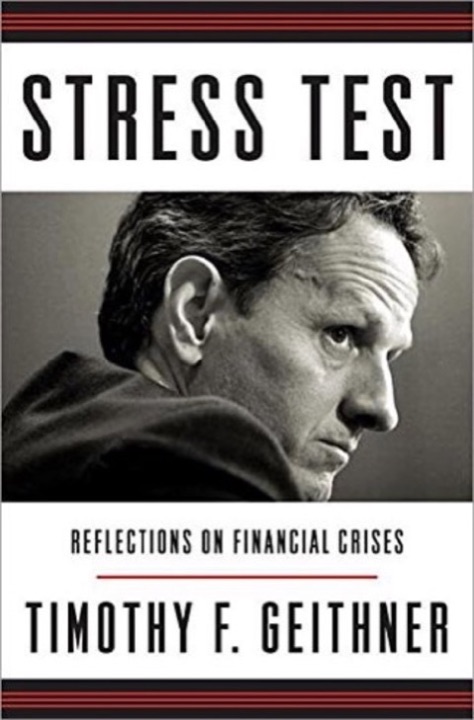
Stress Test: Reflections on Financial Crises
Applying the lessons from "Stress Test: Reflections on Financial Crises" by Timothy F. Geithner to your life can be insightful, especially given your rich personal experiences and values. Here’s how you might integrate some of the key takeaways from the book into your life:
-
Decisive Action in Crisis: Just as Geithner emphasizes the importance of swift action during financial crises, you can apply this to personal and professional challenges. Your experiences in emergency situations, like the plane crash, already demonstrate your ability to act decisively. Continue to trust your instincts and make quick, informed decisions when faced with unexpected challenges.
-
Importance of Regulation and Structure: While your life may not require financial regulation, the principle of having a structured approach can be beneficial. Whether it's maintaining a routine, setting personal boundaries, or creating systems for personal growth, having a framework can help manage life's complexities.
-
Communication and Transparency: Geithner highlights the need for clear communication during crises. In your interactions, whether with family, friends, or colleagues, strive for openness and honesty. This aligns with your direct communication style and can help build trust and understanding.
-
Balancing Act: Just as policymakers had to balance financial stability with public concerns, you can apply this balance in your life by weighing personal desires with responsibilities. For instance, balancing your adventurous spirit with family commitments or professional duties.
-
Learning from Mistakes: Geithner's emphasis on learning from past mistakes resonates with your belief in personal growth through failure. Continue to view setbacks as opportunities for growth and reflection, reinforcing your resilience and persistence.
-
Political and Social Challenges: Geithner faced significant political resistance, much like the societal challenges you are passionate about. Use your advocacy for equality and social justice to inspire change, even when faced with opposition. Your involvement in activism can be a platform to apply these lessons.
-
Humility and Adaptability: Geithner stresses humility and acknowledging the limits of knowledge. Embrace this by remaining open to new perspectives and adapting to change, whether in your personal beliefs or professional endeavors.
-
Strong Convictions, Loosely Held: This aligns with your approach to decision-making. Be open to revising your beliefs and strategies as new information becomes available, ensuring that you remain flexible and responsive to change.
By integrating these lessons into your life, you can continue to navigate challenges with resilience and adaptability, while staying true to your core values of kindness and empathy.
What the book covers
"Stress Test: Reflections on Financial Crises" is a memoir by Timothy F. Geithner, who served as the 75th Secretary of the Treasury from 2009 to 2013 under President Barack Obama. The book provides an insider's perspective on the financial crisis of 2007-2008 and the subsequent efforts to stabilize and reform the financial system.
Summary:
Early Life and Career:
Geithner begins by recounting his early life and career, including his work at the International Monetary Fund and his role as President of the Federal Reserve Bank of New York. These experiences shaped his understanding of global finance and crisis management.
The Financial Crisis:
The core of the book focuses on the financial crisis. Geithner describes the buildup to the crisis, highlighting the excessive risk-taking by financial institutions, the housing bubble, and the failure of regulatory frameworks. He provides a detailed account of the collapse of major financial institutions like Lehman Brothers and the subsequent panic in global markets.
Crisis Management:
Geithner outlines the government's response to the crisis, emphasizing the importance of swift and decisive action to prevent a complete economic collapse. He discusses the controversial decisions to bail out banks and other financial institutions, the implementation of the Troubled Asset Relief Program (TARP), and the efforts to restore confidence in the financial system.
Policy Debates and Challenges:
The book delves into the policy debates and challenges faced by the Obama administration. Geithner defends the unpopular decisions made during the crisis, arguing that they were necessary to prevent a deeper recession or depression. He also addresses criticisms of the bailouts and the perception that they favored Wall Street over Main Street.
Financial Reforms:
Geithner discusses the Dodd-Frank Wall Street Reform and Consumer Protection Act, which aimed to prevent future crises by increasing regulation and oversight of the financial industry. He reflects on the challenges of implementing these reforms and the ongoing resistance from various stakeholders.
Reflections and Lessons:
In the latter part of the book, Geithner reflects on the lessons learned from the crisis. He emphasizes the importance of humility, acknowledging the limits of knowledge and the unpredictability of financial markets. He also stresses the need for strong regulatory frameworks and the political will to enforce them.
Key Takeaways and Lessons:
-
Crisis Management Requires Decisive Action: Geithner argues that in times of financial panic, swift and bold actions are necessary to stabilize the system and prevent further damage.
-
Importance of Regulation: The crisis highlighted the need for robust regulatory frameworks to prevent excessive risk-taking and ensure financial stability.
-
Communication and Transparency: Effective communication is crucial in managing a crisis, both to maintain public confidence and to ensure coordinated action among policymakers.
-
Balancing Act: Policymakers must balance the need to stabilize the financial system with the need to protect taxpayers and address public concerns about fairness.
-
Learning from Mistakes: Geithner emphasizes the importance of learning from past mistakes and being prepared for future crises, as financial markets are inherently unpredictable.
-
Political Challenges: Implementing necessary reforms often faces significant political resistance, highlighting the need for strong leadership and consensus-building.
Overall, "Stress Test" provides a detailed and candid account of one of the most challenging periods in recent economic history, offering valuable insights into the complexities of financial crisis management and the ongoing efforts to build a more resilient financial system.