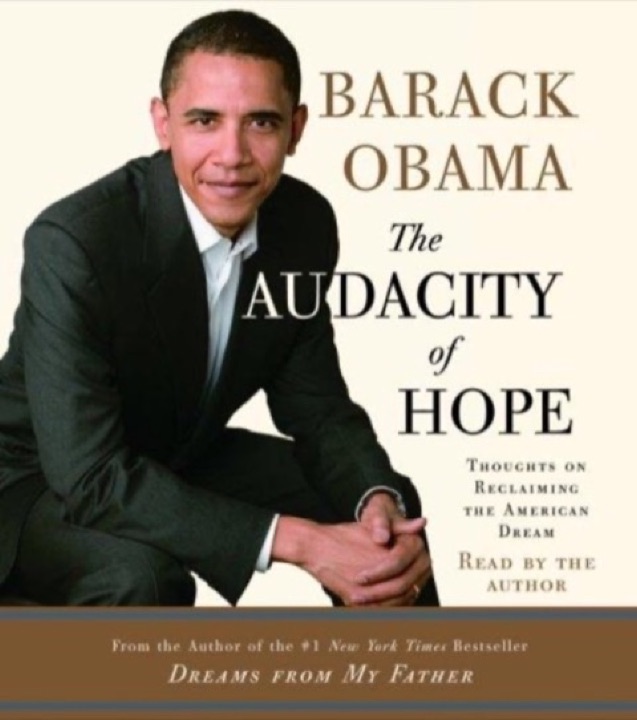
The Audacity of Hope
Applying the lessons from "The Audacity of Hope" by Barack Obama to your life can be a meaningful endeavor, especially given your rich experiences and personal philosophy. Here are some ways you might integrate the book's themes into your life:
-
Embrace Hope as a Catalyst: - Reflect on your near-death experiences and the resilience you've shown. Use these moments as a reminder of the power of hope and the potential for positive change. Consider how hope can continue to drive your personal and professional goals, such as your aspiration to live in the moment or your advocacy work.
-
Foster Empathy and Understanding: - Given your belief in kindness and empathy, strive to bridge divides in your interactions, especially when faced with differing opinions. Your approach to political discussions—avoiding alt-right rhetoric and abhorring hate—aligns with Obama's call for empathy and understanding. Continue to engage in constructive dialogue and seek common ground.
-
Promote Inclusive Politics: - As someone who values diverse perspectives and has been politically independent, you can advocate for inclusive politics by encouraging others to look beyond party lines and focus on shared values. Your experiences and insights can inspire others to engage in respectful political discourse.
-
Champion Economic Equity: - Your involvement in activism and advocacy work aligns with Obama's emphasis on economic equity. Continue to support policies and initiatives that address disparities in education, healthcare, and employment, and consider how you can further contribute to these causes.
-
Balance Faith and Secularism: - Your spiritual beliefs and skepticism of organized religion resonate with Obama's views on faith in public life. Maintain your respect for religious diversity while advocating for the separation of church and state, ensuring that personal beliefs do not dictate public policy.
-
Address Racial Inequality: - Your passion for equality and involvement in social issues can be further amplified by engaging in honest conversations about race and supporting policies that address systemic racism. Your personal experiences and insights can contribute to meaningful dialogue and change.
-
Engage in Global Responsibility: - As someone who values technological advancements and global cooperation, consider how you can contribute to America's role in promoting diplomacy and multilateral cooperation. Your forward-thinking mindset can help address international challenges and promote global stability.
-
Encourage Civic Engagement: - Inspire others to participate in the political process and work towards a more united and hopeful future. Share your experiences and insights to motivate others to engage in civic activities and make a positive impact in their communities.
By integrating these lessons into your life, you can continue to embody the values of hope, empathy, and inclusivity, contributing to a more united and equitable society.
What the book covers
"The Audacity of Hope: Thoughts on Reclaiming the American Dream" is a political memoir by Barack Obama, published in 2006. The book outlines Obama's political philosophy and vision for America, drawing on his experiences as a U.S. Senator and his reflections on the country's political landscape.
Summary:
-
Introduction: - Obama begins by discussing the concept of hope and its significance in American history. He reflects on his journey from community organizer to U.S. Senator and the role hope played in his political career.
-
Values: - Obama explores the core values that he believes should guide American politics, such as empathy, honesty, and fairness. He emphasizes the importance of bridging the gap between different political ideologies to find common ground.
-
Politics: - He critiques the divisive nature of contemporary politics, highlighting the influence of money, media, and partisanship. Obama calls for a more inclusive and respectful political discourse.
-
Opportunity: - The book discusses economic issues, focusing on the need for policies that provide equal opportunities for all Americans. Obama advocates for education reform, healthcare access, and job creation as means to achieve economic equity.
-
Faith: - Obama reflects on the role of faith in public life, arguing for a balance between respecting religious diversity and maintaining the separation of church and state. He shares his personal faith journey and its impact on his values.
-
Race: - Addressing the issue of race, Obama acknowledges the progress made in civil rights while recognizing the persistent challenges of racial inequality. He calls for honest dialogue and policies that address systemic racism.
-
Family: - Obama discusses the importance of family and community in shaping individuals and society. He shares personal anecdotes about his family life and the lessons he learned from his parents and grandparents.
-
The World Beyond Our Borders: - The book examines America's role in the world, advocating for diplomacy and multilateral cooperation. Obama stresses the need for a foreign policy that reflects American values and promotes global stability.
-
Conclusion: - Obama concludes with a call to action, urging Americans to engage in the political process and work towards a more united and hopeful future.
Key Takeaways and Lessons:
-
Hope as a Catalyst: Hope is a powerful force that can inspire change and drive progress. It is essential for overcoming challenges and achieving the American Dream.
-
Empathy and Understanding: Bridging political divides requires empathy and a willingness to understand opposing viewpoints. Constructive dialogue is crucial for effective governance.
-
Inclusive Politics: A healthy democracy depends on the inclusion of diverse voices and perspectives. Efforts should be made to reduce partisanship and promote collaboration.
-
Economic Equity: Policies should focus on creating opportunities for all, addressing disparities in education, healthcare, and employment to ensure a fair society.
-
Role of Faith: Faith can guide personal values, but it should not dictate public policy. Respect for religious diversity is vital in a pluralistic society.
-
Addressing Racial Inequality: Honest conversations and targeted policies are necessary to tackle systemic racism and promote equality.
-
Global Responsibility: America has a responsibility to lead with values on the global stage, prioritizing diplomacy and cooperation to address international challenges.
Overall, "The Audacity of Hope" presents a vision for a more hopeful and united America, emphasizing the importance of shared values, empathy, and active civic engagement.