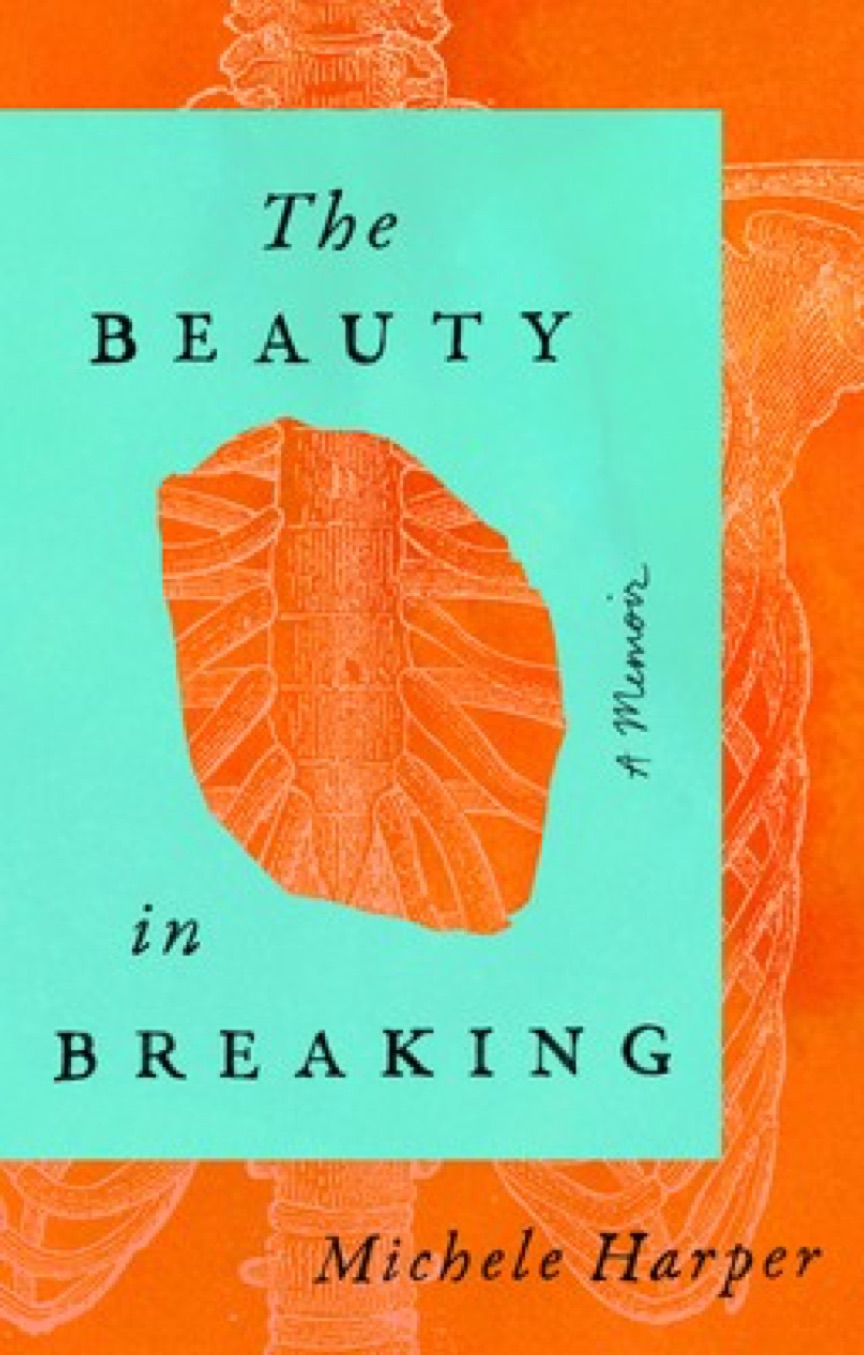
The Beauty in Breaking: A Memoir
Applying the lessons from "The Beauty in Breaking: A Memoir" by Michele Harper to your life can be a transformative exercise in developing emotional intelligence and professional resilience. Here are some ways you might integrate these lessons:
-
Lead with Radical Empathy: - In your roles as a physician and entrepreneur, you can prioritize the human element by recognizing that every interaction is an opportunity for mutual healing. By acknowledging the "brokenness" in others without judgment, you foster an environment of trust that is essential for both clinical excellence and organizational health.
-
Confront Systemic Inequity Directly: - As a leader in healthcare and venture capital, you have the platform to challenge the biases Harper identifies. You can integrate this by actively seeking out and supporting diverse founders and clinicians, ensuring that the systems you build are designed to serve all populations equitably rather than reinforcing existing disparities.
-
View Personal Setbacks as Catalysts for Growth: - Harper’s journey illustrates that professional success does not insulate one from personal pain. You can apply this by reframing failures—whether in business, law, or personal life—not as endpoints, but as necessary "breaks" that allow for a stronger, more authentic version of yourself to emerge.
-
Maintain a Practice of Rigorous Self-Reflection: - Much like a pilot’s post-flight debrief, Harper uses self-reflection to navigate the complexities of the ER. You can integrate this by setting aside time to audit your own emotional responses to stress, ensuring that your decisions are driven by wisdom and empathy rather than past traumas or ego.
-
Embrace Vulnerability as a Leadership Tool: - Authenticity is a hallmark of the "Humble" part of your mantra. By being open about your own challenges and the lessons learned from them, you create a culture where others feel safe to admit mistakes and seek help, which is critical in high-stakes fields like medicine and aviation.
-
Advocate for Patient-Centered Innovation: - Use your entrepreneurial background to bridge the gaps Harper highlights in the healthcare system. Focus on creating or funding technologies and service models that restore dignity to the patient experience and reduce the administrative burdens that lead to physician burnout.
By integrating these lessons, you can further refine your mission of being a lifelong learner who leads with both strength and sensitivity. Harper’s story serves as a reminder that the most effective leaders are those who have done the difficult work of mending their own wounds, allowing them to lead others toward wholeness with genuine authority.
What the book covers
"The Beauty in Breaking: A Memoir" by Michele Harper is a poignant and deeply personal account of an African American emergency room physician’s journey through the healthcare system and her own internal healing. Harper explores the concept that we are all broken in some way, and it is through the process of mending those fractures that we find our true strength and humanity. The narrative weaves together high-stakes clinical encounters with reflections on her childhood trauma, a failing marriage, and the systemic injustices she witnesses within the walls of the hospital.
Summary:
-
The Architecture of Early Trauma: - Harper begins by detailing her upbringing in a household marked by her father’s volatility and physical abuse. These early experiences of "breaking" served as the catalyst for her career in medicine, as she sought to understand how to fix what was broken in others and, eventually, herself. - She reflects on how her family dynamics shaped her initial approach to emergency medicine, viewing the hospital as a place where chaos could be managed through clinical precision and emotional distance.
-
The Crucible of Residency: - The memoir follows Harper through the grueling years of her residency, where the physical and emotional demands of the ER test her limits. She describes the steep learning curve of treating trauma while simultaneously navigating the hierarchies of the medical establishment. - She recounts specific cases where the pressure to perform conflicted with the need for compassion, illustrating the internal struggle to remain empathetic in an environment designed to prioritize efficiency over human connection.
-
Systemic Bias and the ER: - A significant portion of the book addresses the racial and gender biases Harper faces as a Black female physician. She details instances where patients refused her care or where her professional expertise was questioned by colleagues solely due to her identity. - Harper critically examines how these same biases affect patient care, particularly for marginalized communities. She provides a sobering look at how the medical system often fails those who are most vulnerable, further perpetuating the cycle of brokenness.
-
Personal Rupture and Reinvention: - Parallel to her professional growth is the story of her marriage's dissolution. Harper describes the painful realization that her relationship could not be salvaged and the difficult decision to prioritize her own well-being over social expectations. - This personal breaking point becomes a turning point, forcing her to confront the wounds she had been ignoring. She uses this period of upheaval to relocate and redefine her career, eventually finding a practice environment that aligns more closely with her values.
-
The Patient as a Mirror: - Throughout the book, Harper shares stories of patients who left lasting impacts on her soul. From a veteran struggling with PTSD to a victim of domestic violence, each encounter serves as a mirror reflecting her own struggles and growth. - She argues that the doctor-patient relationship is not a one-way street of healing; rather, the vulnerability shown by patients often provides the physician with the insights necessary to mend their own fractured lives.
-
The Philosophy of Mending: - Harper concludes by synthesizing her experiences into a philosophy of resilience. She suggests that "breaking" is an inevitable part of the human condition, but the beauty lies in the scars that remain after we heal. - She emphasizes that true healing requires an honest reckoning with one's past and a commitment to advocacy for a more just and compassionate healthcare system.
This memoir is a profound testament to the power of vulnerability in professional and personal spheres. By documenting her path from a scarred childhood to a position of leadership and healing, Harper offers a roadmap for anyone seeking to find purpose and beauty in the midst of their own struggles.