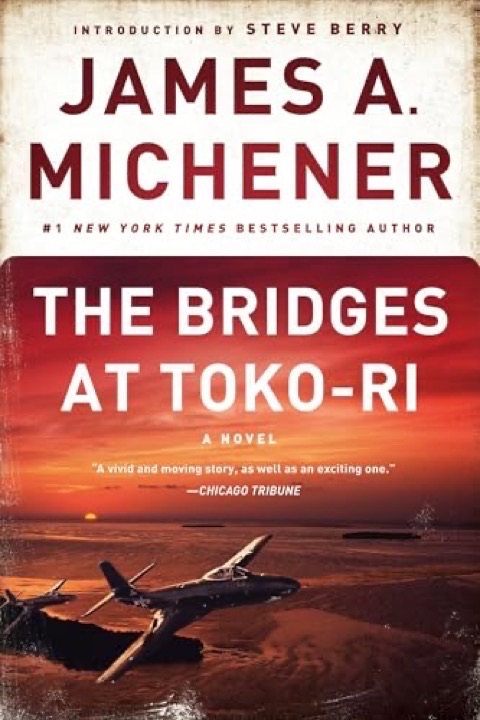
The Bridges at Toko-Ri
"The Bridges at Toko-Ri" by James A. Michener offers several lessons that can be applied to your life, particularly given your experiences and values. Here are a few ways you might integrate these lessons:
-
Duty and Sacrifice: The novel emphasizes the importance of duty and the sacrifices that come with it. You can reflect on how your own sense of duty, whether in your professional life or personal commitments, aligns with your values of kindness and empathy. Consider how you balance these responsibilities with your personal life and aspirations, such as your desire to live in the moment.
-
The Human Cost of War: The book highlights the emotional and physical toll of war on soldiers and their families. This can resonate with your experiences of near-death situations and your understanding of life's fragility. It might encourage you to cherish your relationships and prioritize time with loved ones, as you already do with your family and grandchildren.
-
Camaraderie and Leadership: The bonds between the pilots and the leadership qualities of figures like Admiral Tarrant are central to the story. You can draw parallels to your own leadership style and the importance of building strong, supportive relationships in both your personal and professional life. Your approach to decision-making and handling stress reflects these qualities.
-
Moral Ambiguity: The novel's exploration of the moral complexities of war can remind you to approach life's challenges with an open mind and a willingness to question and reflect on your beliefs. This aligns with your philosophy of having strong convictions loosely held and your commitment to kindness and empathy.
-
Resilience and Courage: The characters' resilience and courage in the face of danger can inspire you to continue embracing challenges and pursuing your dreams, such as skydiving or living to 130. Your persistence and ability to find humor in difficult situations are strengths that can help you navigate life's uncertainties.
By reflecting on these themes, you can continue to live a life guided by your core values, while also embracing new experiences and challenges with resilience and courage.
What the book covers
"The Bridges at Toko-Ri" by James A. Michener is a gripping novel set during the Korean War, focusing on the lives of American Navy pilots. The story centers around Lieutenant Harry Brubaker, a World War II veteran who is called back into service to fly combat missions from an aircraft carrier. The novel explores themes of duty, sacrifice, and the personal costs of war.
Summary:
Setting and Context: The novel is set during the Korean War, primarily aboard an American aircraft carrier stationed off the Korean coast. The story provides a detailed depiction of naval aviation operations and the challenges faced by pilots during this conflict.
Main Characters: - Lieutenant Harry Brubaker: The protagonist, a lawyer and family man who is reluctantly recalled to active duty. He struggles with the dangers of his missions and the separation from his family. - Admiral Tarrant: The commanding officer who is deeply concerned about the welfare of his men and the strategic importance of their missions. - Mike Forney: A colorful and daring helicopter pilot who plays a crucial role in rescue operations. - Nancy Brubaker: Harry's wife, who represents the emotional toll of war on families back home.
Plot Overview: The novel opens with Brubaker's internal conflict about being pulled away from his civilian life and family. As he undertakes dangerous missions, including the bombing of heavily defended bridges at Toko-Ri, the narrative delves into the camaraderie and tension among the pilots. The bridges are a strategic target, crucial for disrupting enemy supply lines, but they are also heavily fortified, making the mission perilous.
Brubaker's personal journey is interwoven with the broader military operations, highlighting the bravery and vulnerability of the pilots. The novel builds up to the climactic mission to destroy the bridges, which tests Brubaker's resolve and skills. The mission is successful but comes at a high cost, underscoring the harsh realities of war.
Themes and Key Takeaways:
-
Duty and Sacrifice: The novel explores the sense of duty that drives soldiers to risk their lives, even when they have personal reservations. Brubaker's internal struggle reflects the broader theme of personal sacrifice for a greater cause.
-
The Human Cost of War: Michener vividly portrays the emotional and physical toll of war on soldiers and their families. The separation from loved ones and the constant threat of death weigh heavily on the characters.
-
Camaraderie and Leadership: The bonds formed between the pilots and the leadership qualities of figures like Admiral Tarrant are central to the narrative. These relationships provide support and motivation in the face of adversity.
-
Moral Ambiguity: The novel does not shy away from the moral complexities of war, questioning the justification of certain military actions and the impact on both soldiers and civilians.
-
Resilience and Courage: Despite the dangers, the characters demonstrate remarkable resilience and courage, highlighting the human spirit's ability to endure and persevere.
In conclusion, "The Bridges at Toko-Ri" is a powerful exploration of the Korean War's challenges and the personal stories of those involved. Michener's detailed narrative and complex characters offer a poignant reflection on the nature of war and the enduring human spirit.