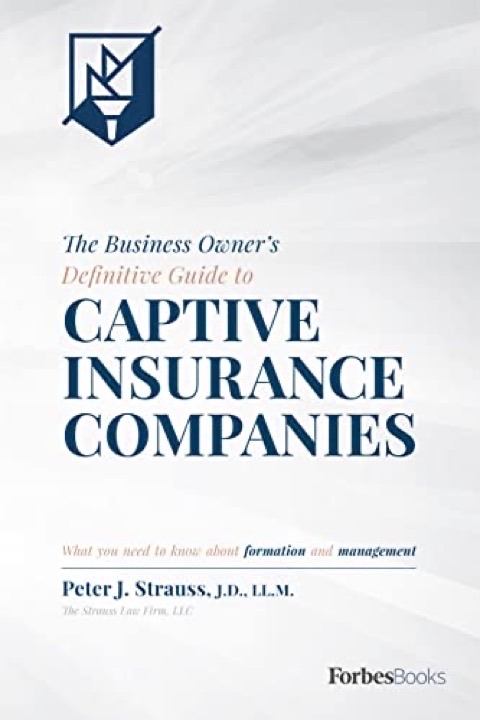
The Business Owner's Definitive Guide to Captive Insurance Companies: What You Need to Know About Formation and Management
Applying the lessons from "The Business Owner's Definitive Guide to Captive Insurance Companies" by Peter J. Strauss to your life involves leveraging the strategic insights and practical guidance offered in the book to enhance your personal and professional endeavors. Here’s how you might do that:
-
Strategic Risk Management: Just as captive insurance companies allow businesses to manage risks more effectively, you can apply this concept to your personal life by identifying potential risks and developing strategies to mitigate them. This could involve financial planning, health management, or even preparing for unforeseen events.
-
Customization and Control: The book emphasizes the importance of customizing insurance policies to meet specific needs. Similarly, you can tailor your personal and professional plans to align with your unique goals and values. This might involve setting personalized fitness goals, crafting a career path that suits your aspirations, or designing a lifestyle that reflects your core values of kindness and empathy.
-
Long-term Commitment: Establishing a captive insurance company requires a long-term commitment, similar to your approach to personal growth and development. Embrace the idea of being in a constant state of beta, continuously learning and evolving to achieve your aspirations, such as living in the moment or improving your weaknesses.
-
Expert Guidance: The book highlights the importance of engaging with experts for successful captive formation and management. In your life, seek advice from mentors, coaches, or professionals in areas where you want to grow, whether it's in your career, personal development, or hobbies like flying or cooking.
-
Regulatory Compliance and Adaptability: Understanding and adhering to regulations is crucial for captives. In your life, this translates to staying informed about changes in your environment, whether they are societal, technological, or personal, and adapting accordingly. This aligns with your forward-thinking approach to technological advancements and societal changes.
-
Continuous Evaluation: Regularly evaluate your personal and professional performance, much like assessing a captive's effectiveness. Reflect on your daily wins and losses, as you already do, to ensure you’re on track to achieving your goals and maintaining your values.
-
Financial and Risk Management: Consider the financial advantages of captive insurance, such as cost efficiency and retaining profits. Apply similar principles to your financial planning, ensuring you manage your resources wisely to support your aspirations, like traveling more or living to 130.
By integrating these lessons into your life, you can enhance your ability to manage risks, customize your path, and achieve your goals with the same strategic mindset that businesses use when forming and managing captive insurance companies.
What the book covers
"The Business Owner's Definitive Guide to Captive Insurance Companies" by Peter J. Strauss is a comprehensive resource for business owners considering the formation and management of captive insurance companies. The book is designed to demystify the concept of captive insurance and provide practical guidance on its implementation and management.
Summary:
Introduction to Captive Insurance:
- Definition and Purpose: Captive insurance companies are subsidiaries created by a parent company to insure its own risks. This allows businesses to have more control over their insurance policies and potentially reduce costs.
- Historical Context: The book provides a historical overview of captive insurance, explaining how it has evolved as a strategic risk management tool.
Benefits of Captive Insurance:
- Cost Efficiency: Captives can lead to significant cost savings by eliminating the profit margin that traditional insurers add to premiums.
- Customization: Policies can be tailored to meet the specific needs of the parent company.
- Risk Management: Captives encourage better risk management practices within the parent company.
- Financial Advantages: Potential tax benefits and the ability to retain underwriting profits.
Formation of Captive Insurance Companies:
- Feasibility Study: Conducting a thorough feasibility study to assess the potential benefits and challenges.
- Regulatory Considerations: Understanding the regulatory environment, which varies by jurisdiction, is crucial for compliance.
- Capitalization Requirements: Determining the appropriate level of capitalization needed to support the captive.
- Domicile Selection: Choosing the right domicile, which can impact regulatory requirements, costs, and tax implications.
Management of Captive Insurance Companies:
- Governance: Establishing a strong governance framework to oversee the captive’s operations.
- Operational Management: Day-to-day management, including underwriting, claims processing, and financial reporting.
- Risk Management: Continuously assessing and managing risks to ensure the captive’s financial stability.
- Reinsurance: Utilizing reinsurance to manage risk exposure and protect the captive’s capital.
Challenges and Considerations:
- Regulatory Changes: Staying informed about changes in regulations that could impact captive operations.
- Market Conditions: Adapting to changing market conditions that could affect the captive’s performance.
- Tax Implications: Navigating complex tax regulations to maximize financial benefits.
Key Takeaways and Lessons:
- Strategic Tool: Captive insurance is not just an alternative to traditional insurance but a strategic tool for comprehensive risk management.
- Customization and Control: The ability to customize insurance policies and have greater control over risk management is a significant advantage.
- Long-term Commitment: Establishing a captive requires a long-term commitment and ongoing management to realize its full benefits.
- Expert Guidance: Engaging with experts in captive insurance, including legal, financial, and insurance professionals, is crucial for successful formation and management.
- Regulatory Compliance: Understanding and adhering to regulatory requirements is essential to avoid legal and financial pitfalls.
- Continuous Evaluation: Regularly evaluating the captive’s performance and making necessary adjustments is key to maintaining its effectiveness.
Overall, Peter J. Strauss's book serves as a valuable guide for business owners looking to explore the potential of captive insurance companies as part of their risk management strategy.