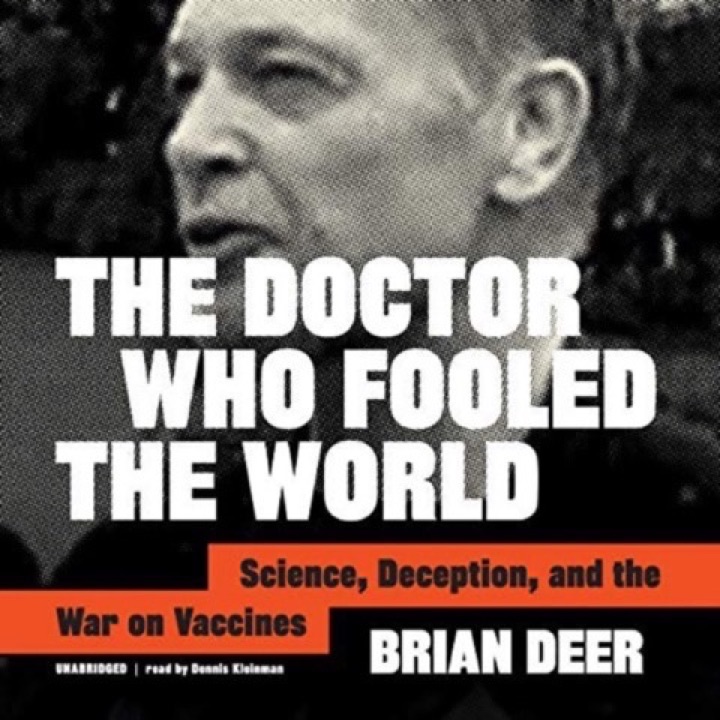
The Doctor Who Fooled the World: Science, Deception, and the War on Vaccines
Applying the lessons from "The Doctor Who Fooled the World" by Brian Deer to your life can be insightful, especially given your background and values. Here are some ways you might integrate these lessons:
-
Uphold Scientific Integrity: - As someone who values honesty and transparency, you can continue to emphasize the importance of scientific integrity in your professional and personal life. This might involve advocating for evidence-based practices in your field and encouraging others to critically evaluate information.
-
Critical Media Consumption: - Given your direct communication style and analytical approach, you can apply these skills to critically assess media narratives. Encourage those around you, including your family and friends, to question and verify information, especially when it comes to health-related topics.
-
Combat Misinformation: - With your passion for social issues and advocacy, you can actively work to combat misinformation in your community. This might involve participating in educational initiatives or supporting organizations that promote accurate scientific communication.
-
Persistence in Truth-Seeking: - Your superpower of persistence aligns well with the book's theme of relentless pursuit of truth. Use this strength to continue advocating for transparency and accountability in all areas of your life, whether in your professional role or personal interactions.
-
Foster Public Trust: - As someone who values kindness and empathy, you can help rebuild and maintain public trust in health institutions by being a credible source of information and support. Your approach to communication can help bridge gaps and foster understanding.
-
Reflect on Personal Growth: - The book's lessons on the consequences of misinformation can serve as a reminder to reflect on your own growth and the impact of your actions. Use your experiences and insights to guide others in making informed decisions.
-
Promote Evidence-Based Decision-Making: - In your role as a physician and advocate, continue to promote evidence-based decision-making. Encourage those around you to rely on credible sources and data when making health-related choices.
By integrating these lessons into your life, you can contribute to a more informed and responsible society, aligning with your values of kindness, empathy, and lifelong learning.
What the book covers
"The Doctor Who Fooled the World: Science, Deception, and the War on Vaccines" by Brian Deer is an investigative account of the infamous Andrew Wakefield, the former British doctor whose fraudulent research sparked a global anti-vaccine movement. The book delves into the origins and consequences of Wakefield's actions, providing a detailed narrative of how one man's deception led to widespread public health implications.
Summary:
Background and Context: The book begins by setting the stage in the late 1990s when Andrew Wakefield published a paper in The Lancet, claiming a link between the MMR (measles, mumps, and rubella) vaccine and autism. This publication caused a media frenzy and led to a significant decline in vaccination rates.
Wakefield's Rise: Deer explores Wakefield's background, motivations, and the circumstances that led to his rise as a controversial figure in the medical community. The narrative highlights Wakefield's charisma and ability to manipulate media narratives to his advantage, despite the lack of scientific evidence supporting his claims.
Investigative Journalism: Brian Deer, an investigative journalist, meticulously documents his investigation into Wakefield's research. Deer uncovers evidence of ethical violations, financial conflicts of interest, and data manipulation. The book details how Deer’s persistent efforts eventually led to the retraction of Wakefield's paper and his being struck off the UK medical register.
Impact on Public Health: The book examines the broader impact of Wakefield's fraudulent claims, including the resurgence of measles outbreaks and the entrenchment of vaccine skepticism. Deer discusses how Wakefield's actions fueled the anti-vaccine movement, which continues to pose challenges to public health efforts worldwide.
Legal and Professional Consequences: Deer provides an account of the legal and professional repercussions faced by Wakefield, including the General Medical Council's investigation and the eventual revocation of his medical license. The narrative underscores the importance of accountability in the scientific community.
Key Takeaways and Lessons:
-
The Importance of Scientific Integrity: The book underscores the critical need for honesty and transparency in scientific research. Wakefield's case serves as a cautionary tale about the potential harm caused by fraudulent science.
-
Role of Media in Science Communication: Deer's investigation highlights the media's role in amplifying unverified scientific claims. The book emphasizes the responsibility of journalists to critically evaluate and accurately report scientific findings.
-
Consequences of Misinformation: The global impact of Wakefield's deception illustrates the far-reaching consequences of misinformation, particularly in the realm of public health. The book serves as a reminder of the importance of evidence-based decision-making.
-
Persistence in Pursuit of Truth: Brian Deer's relentless pursuit of the truth demonstrates the power of investigative journalism in uncovering and correcting scientific fraud. His work exemplifies the importance of diligence and perseverance in holding individuals accountable.
-
Public Health and Trust: The book highlights the fragile nature of public trust in health institutions and the importance of maintaining that trust through credible and transparent communication.
In conclusion, "The Doctor Who Fooled the World" is a compelling narrative that not only exposes the fraudulent actions of Andrew Wakefield but also provides broader insights into the dynamics of science, media, and public health. It serves as a critical resource for understanding the challenges posed by misinformation and the importance of integrity in scientific endeavors.