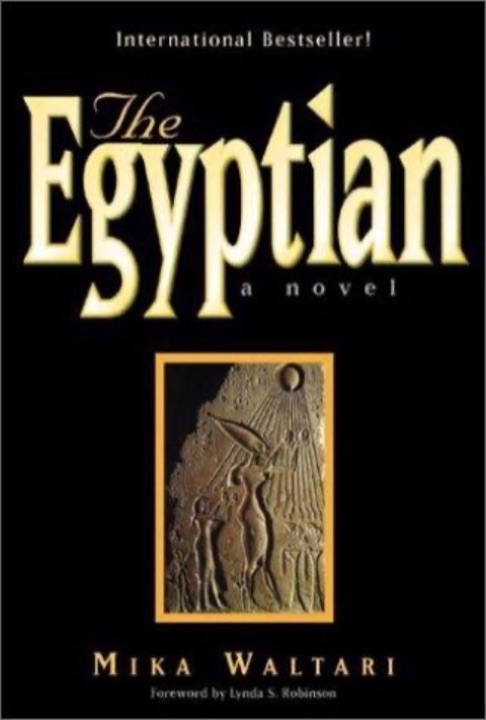
The Egyptian
Applying the lessons from "The Egyptian" by Mika Waltari to your life can provide valuable insights and reinforce some of the beliefs and values you already hold. Here’s how you might integrate these lessons:
-
Complexity of Human Nature: Your experiences and interactions have already shown you the duality of human nature. Continue to approach others with kindness and empathy, understanding that everyone has their own struggles and motivations. This aligns with your belief that everyone is fighting a battle you know nothing about.
-
Futility of Idealism: While you are an eternal optimist, it's important to balance idealism with practicality. In your advocacy work and personal endeavors, ensure that your goals are achievable and grounded in reality. This will help you make a tangible impact without becoming disillusioned.
-
Search for Meaning: Your belief in reincarnation and the pursuit of knowledge resonates with Sinuhe's quest for understanding. Continue to embrace lifelong learning and personal growth, recognizing that meaning is found in the journey itself rather than in material or superficial achievements.
-
Cyclical Nature of History: Your awareness of societal regression in areas like civil rights and equality reflects the cyclical nature of history. Use this understanding to remain vigilant and proactive in your advocacy efforts, striving to break negative cycles and promote positive change.
-
Cultural Relativism: Your travels and diverse experiences have already exposed you to different cultures and perspectives. Continue to embrace cultural relativism by respecting and understanding diverse viewpoints, which can enrich your worldview and enhance your interactions with others.
By integrating these lessons into your life, you can continue to grow as an individual and contribute positively to the world around you. Your resilience, humor, kindness, and empathy will serve as guiding principles as you navigate life's challenges and opportunities.
What the book covers
"The Egyptian" by Mika Waltari is a historical novel set in ancient Egypt during the reign of Pharaoh Akhenaten. The novel is presented as the memoir of Sinuhe, a physician who recounts his life story from his exile. The book explores themes of power, religion, love, and the search for meaning in a tumultuous world.
Summary:
Part One: Thebes
Sinuhe is found as a baby floating in a basket on the Nile and is adopted by a childless couple. He grows up in Thebes, where he becomes a physician. Sinuhe's life changes when he meets Nefernefernefer, a beautiful but manipulative woman who seduces him and drains him of his wealth. This experience leaves him disillusioned and prompts his departure from Thebes.
Part Two: The Wanderer
Sinuhe travels across the ancient world, visiting places like Syria, Babylon, and Crete. During his travels, he gains knowledge and experience, meeting various influential figures and learning about different cultures and religions. He becomes a confidant to kings and witnesses the complexities of power and politics.
Part Three: Akhetaten
Sinuhe returns to Egypt during the reign of Pharaoh Akhenaten, who has established a new monotheistic religion centered around the worship of Aten, the sun disk. Sinuhe becomes a close advisor to Akhenaten and witnesses the social and political upheaval caused by the pharaoh's religious reforms. Despite his initial support, Sinuhe becomes disillusioned with Akhenaten's idealism and the resulting chaos.
Part Four: Thebes Again
After Akhenaten's death, Sinuhe returns to Thebes, where he becomes involved in the power struggles that follow. He witnesses the restoration of the old gods and the return to traditional values. Sinuhe's life comes full circle as he reflects on his experiences and the lessons he has learned.
Key Takeaways and Lessons:
-
The Complexity of Human Nature: Sinuhe's journey illustrates the complexity of human motivations and the duality of good and evil within individuals. Characters are portrayed with depth, showing that people are capable of both noble and selfish actions.
-
The Futility of Idealism: The novel highlights the dangers of extreme idealism, as seen in Akhenaten's religious reforms. It suggests that while ideals can inspire change, they can also lead to chaos if not grounded in practical realities.
-
The Search for Meaning: Sinuhe's life is a quest for understanding and purpose. His experiences teach him that meaning is not found in wealth, power, or even love, but in the acceptance of life's impermanence and the pursuit of knowledge.
-
The Cyclical Nature of History: The novel underscores the idea that history is cyclical, with patterns of rise and fall, progress and regression. Sinuhe's story reflects the constant struggle between tradition and change.
-
Cultural Relativism: Through Sinuhe's travels, the novel explores the diversity of cultures and beliefs, emphasizing the importance of understanding and respecting different perspectives.
"The Egyptian" is a rich and complex narrative that offers insights into the human condition and the timeless challenges faced by individuals and societies. Its exploration of historical themes remains relevant, encouraging readers to reflect on the nature of power, belief, and the search for meaning in their own lives.