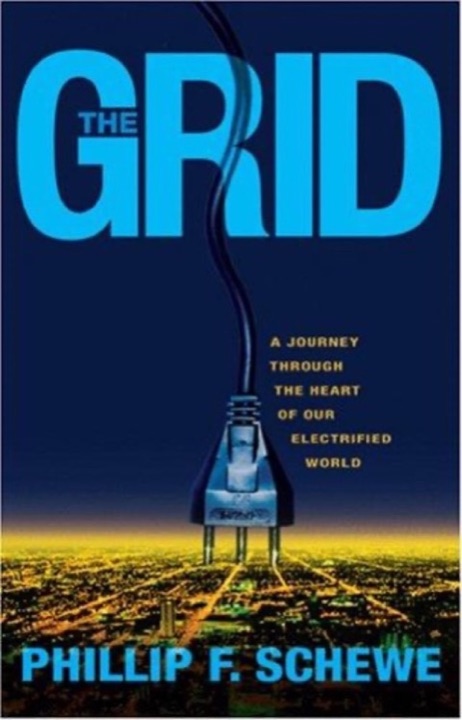
The Grid: A Journey Through the Heart of our Electrified World
Applying the lessons from "The Grid: A Journey Through the Heart of Our Electrified World" by Phillip F. Schewe to your life can be both insightful and transformative, given your values, experiences, and aspirations. Here are some ways you might integrate these lessons:
-
Interconnectedness and Coordination: - Just as the electrical grid requires careful coordination, you can apply this lesson to your personal and professional relationships. Emphasize the importance of communication and collaboration, whether it's with your family, colleagues, or in your advocacy work. Recognize the interconnectedness of your actions and their impact on others.
-
Innovation and Adaptation: - Embrace innovation in your personal growth and professional endeavors. Given your interest in technology and lifelong learning, continue to seek out new knowledge and skills. Be open to adapting your approaches, whether in medicine, advocacy, or personal pursuits, to meet the evolving demands of the world.
-
Resilience and Security: - The grid's need for resilience and security can mirror your approach to life's challenges. Your resilience is already a strength, but consider how you can further safeguard your well-being and that of your family. This might involve planning for unforeseen events or investing in your health and relationships.
-
Sustainability: - Reflect on how you can contribute to sustainability in your daily life. This could involve making environmentally conscious choices, supporting renewable energy initiatives, or advocating for policies that promote sustainability. Your passion for leveraging technology for the betterment of mankind aligns well with this lesson.
-
Policy and Regulation: - Consider how you can influence or engage with policy and regulation in areas you are passionate about, such as equality and social justice. Your experience in activism and advocacy can be a powerful tool in shaping policies that align with your ethical beliefs and values.
-
Embrace Complexity: - Just as the grid is a complex system, recognize and appreciate the complexity in your own life. Whether it's balancing your various roles or navigating social issues, approach challenges with a mindset that values understanding and nuance.
By integrating these lessons, you can enhance your ability to navigate the complexities of modern life, contribute positively to society, and continue your journey of personal growth and fulfillment.
What the book covers
"The Grid: A Journey Through the Heart of Our Electrified World" by Phillip F. Schewe is an insightful exploration into the complex and often overlooked infrastructure that powers modern civilization: the electrical grid. Schewe delves into the history, technology, and future of electricity, providing readers with a comprehensive understanding of how electricity is generated, distributed, and consumed.
Summary:
-
Historical Context: - Schewe begins by tracing the origins of electricity, highlighting key figures such as Thomas Edison and Nikola Tesla, whose innovations laid the groundwork for the modern electrical grid. The book details the "War of Currents" between Edison's direct current (DC) and Tesla's alternating current (AC), which ultimately led to the widespread adoption of AC systems.
-
Development of the Grid: - The narrative progresses through the 20th century, illustrating how the grid expanded and evolved. Schewe discusses the challenges of building a nationwide network, including technical hurdles, regulatory issues, and the need for standardization.
-
Technical Aspects: - Schewe provides an accessible explanation of how the grid operates, from power generation at plants to transmission through high-voltage lines and distribution to homes and businesses. He explains the roles of transformers, substations, and the importance of maintaining a balance between supply and demand.
-
Challenges and Vulnerabilities: - The book addresses the vulnerabilities of the grid, such as its susceptibility to natural disasters, cyber-attacks, and aging infrastructure. Schewe emphasizes the need for modernization and investment to ensure reliability and resilience.
-
Environmental and Economic Impacts: - Schewe explores the environmental implications of electricity generation, particularly the reliance on fossil fuels and the push for renewable energy sources. He discusses the economic factors influencing energy policy and the transition to cleaner energy.
-
Future of the Grid: - Looking forward, Schewe examines emerging technologies and trends, such as smart grids, energy storage solutions, and the integration of renewable energy. He highlights the potential for innovation to transform the grid into a more efficient and sustainable system.
Key Takeaways and Lessons:
-
Interconnectedness: The grid is a complex, interconnected system that requires careful coordination and management. Understanding its intricacies is crucial for addressing current and future energy challenges.
-
Innovation and Adaptation: The history of the grid is marked by innovation and adaptation. Continued progress will depend on embracing new technologies and approaches to meet the demands of a changing world.
-
Resilience and Security: Ensuring the grid's resilience and security is paramount. Investments in infrastructure, cybersecurity, and disaster preparedness are essential to safeguard against potential threats.
-
Sustainability: Transitioning to sustainable energy sources is not only an environmental imperative but also a practical necessity for the long-term viability of the grid.
-
Policy and Regulation: Effective energy policy and regulation are critical to balancing economic, environmental, and social considerations. Policymakers must navigate complex trade-offs to support a reliable and equitable energy system.
Overall, "The Grid" serves as both an educational resource and a call to action, urging readers to appreciate the vital role of electricity in modern life and to engage with the challenges and opportunities that lie ahead.