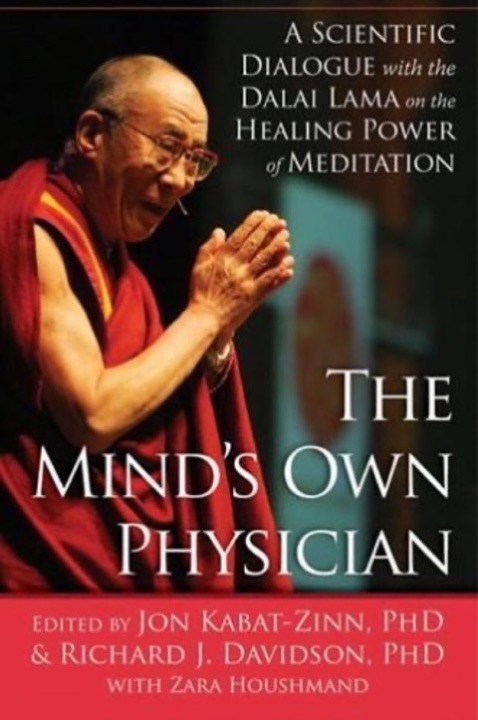
The Mind's Own Physician
Applying the lessons from "The Mind’s Own Physician" to your life can enhance your well-being and align with your values and experiences. Here are some ways you might integrate these insights:
-
Mind-Body Connection: - Given your belief in the interconnectedness of mind and body, you can use meditation to further explore and strengthen this connection. Incorporating regular meditation practices can help you maintain both mental and physical health, supporting your active lifestyle and resilience.
-
Mindfulness Practices: - Since you value living in the moment, mindfulness can be a powerful tool to help you achieve this aspiration. By practicing mindfulness, you can enhance your ability to be present, which aligns with your goal of being comfortable in your own skin and being present always.
-
Cultivating Compassion: - Your core values of kindness and empathy can be deepened through meditation focused on compassion. This practice can help you continue to approach others with understanding and reinforce your belief that everyone deserves acceptance.
-
Emotional Regulation: - Meditation can aid in managing stress and maintaining composure, which is crucial in your roles as a physician and pilot. By enhancing emotional regulation, you can continue to be the calmest person in the room during high-pressure situations.
-
Holistic Health Approach: - Integrating meditation into your daily routine can complement your physical exercise regimen, offering a more holistic approach to health. This aligns with your forward-thinking attitude towards leveraging technology and practices for personal and societal betterment.
-
Ethical and Philosophical Alignment: - Meditation can support your ethical beliefs by fostering a mindset of strong convictions loosely held. It can help you navigate moral dilemmas with a calm and open mind, ensuring your actions align with your values of kindness and empathy.
-
Personal Growth and Resilience: - Meditation can enhance your resilience and persistence, which you consider your superpower. By regularly engaging in meditation, you can continue to grow and adapt, embodying your philosophy of being in a constant state of beta.
-
Coping with Regrets and Loss: - Meditation can provide a space for reflection and acceptance, helping you process past regrets, such as not seeing your father before he died. It can offer peace and understanding, allowing you to move forward with a sense of closure.
By incorporating these practices into your life, you can further align with the lessons from "The Mind’s Own Physician," enhancing your well-being and supporting your journey of personal growth and fulfillment.
What the book covers
"The Mind’s Own Physician: A Scientific Dialogue with the Dalai Lama on the Healing Power of Meditation" is a book edited by Jon Kabat-Zinn and Richard J. Davidson. It is based on a series of dialogues between the Dalai Lama and leading scientists, exploring the intersection of meditation, neuroscience, and healing. The book delves into how meditation can influence mental and physical health, drawing on both scientific research and traditional Buddhist teachings.
Summary:
-
Introduction to the Dialogue: - The book begins by setting the stage for the dialogues, highlighting the unique collaboration between the Dalai Lama and Western scientists. It emphasizes the mutual curiosity and respect between the two traditions.
-
The Science of Meditation: - The book explores how meditation affects the brain and body. It discusses research findings on neuroplasticity, showing how meditation can lead to structural changes in the brain, enhancing areas related to attention, compassion, and emotional regulation.
-
Mindfulness and Emotional Health: - A significant portion of the book is dedicated to mindfulness practices and their impact on emotional well-being. It discusses how mindfulness can reduce stress, anxiety, and depression by promoting a non-judgmental awareness of the present moment.
-
Compassion and Empathy: - The dialogues also cover the cultivation of compassion and empathy through meditation. The Dalai Lama and scientists discuss how these qualities can be developed and their importance for personal and societal well-being.
-
Meditation and Physical Health: - The book examines the relationship between meditation and physical health, including its effects on the immune system and chronic pain management. It presents evidence suggesting that meditation can lead to improved health outcomes.
-
Ethical and Philosophical Considerations: - The dialogues touch on the ethical implications of meditation research and practice. The Dalai Lama emphasizes the importance of intention and ethical conduct in meditation, aligning scientific inquiry with moral values.
-
Integration of Eastern and Western Perspectives: - Throughout the book, there is a focus on integrating Eastern contemplative practices with Western scientific methods. The dialogues highlight the potential for a more holistic understanding of the mind and health.
Key Takeaways and Lessons:
-
Interconnectedness of Mind and Body: The book reinforces the idea that mental and physical health are deeply interconnected. Meditation can serve as a bridge, promoting overall well-being.
-
Neuroplasticity: One of the key scientific insights is the brain's ability to change and adapt through meditation, offering hope for personal transformation and healing.
-
Practical Benefits of Mindfulness: Mindfulness practices can lead to significant improvements in mental health, offering tools for managing stress and enhancing emotional resilience.
-
Cultivation of Compassion: Developing compassion and empathy is not only beneficial for personal relationships but also essential for creating a more harmonious society.
-
Holistic Approach to Health: The integration of meditation into healthcare can provide a more comprehensive approach to treating both mental and physical ailments.
-
Ethical Practice: The importance of ethical considerations in meditation practice is emphasized, ensuring that the benefits of meditation are aligned with moral values.
Overall, "The Mind’s Own Physician" presents a compelling case for the healing power of meditation, supported by both scientific evidence and spiritual wisdom. It encourages readers to explore meditation as a tool for personal growth and healing, while also considering its broader implications for society.