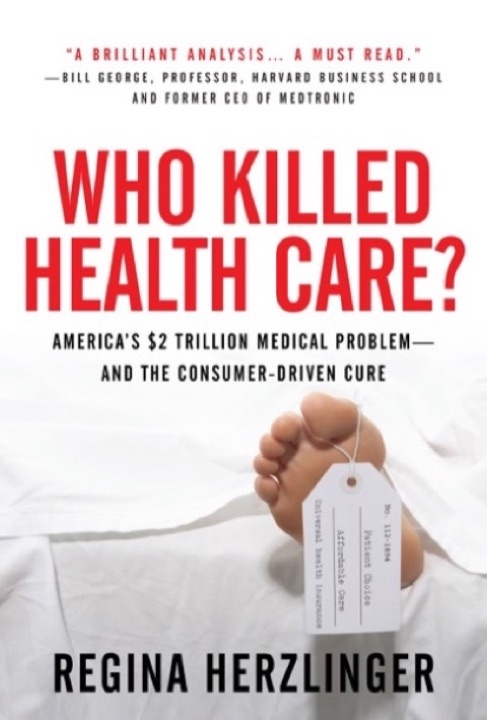
Who Killed Health Care? America's Sick Health Care System--and How to Cure It
Applying the lessons from "Who Killed Health Care?" by Regina Herzlinger to your life involves integrating the book's insights into your personal and professional experiences, particularly in healthcare and decision-making. Here are some ways you might do this:
-
Empowerment and Choice: - As someone who values resilience and independence, you can advocate for more consumer-driven healthcare choices in your community or workplace. Encourage others to take control of their healthcare decisions, much like you strive to live life on your terms.
-
Transparency and Information: - Given your direct communication style, you can promote transparency in healthcare by sharing clear and accessible information with patients or colleagues. This aligns with your belief in informed decision-making and can help others make better healthcare choices.
-
Innovation and Technology: - Your forward-thinking attitude towards technology can be leveraged to support innovative healthcare solutions. Consider exploring or investing in new healthcare technologies that improve patient outcomes and efficiency, reflecting your desire to leverage technology for societal betterment.
-
Advocacy for Competition: - As someone who values competition and excellence, you can advocate for policies or practices that encourage competition among healthcare providers. This could involve supporting initiatives that foster innovation and reduce costs, aligning with your belief in the power of competition to drive progress.
-
Aligning Incentives: - In your professional life, focus on aligning incentives with patient outcomes rather than service volume. This approach resonates with your ethical beliefs and commitment to kindness and empathy, ensuring that healthcare providers prioritize patient well-being.
-
Personal Health Management: - Apply the principles of consumer-driven healthcare to your own life by actively managing your health and wellness. Utilize tools like Health Savings Accounts (HSAs) and high-deductible plans to make informed healthcare decisions, reflecting your proactive approach to life.
-
Advocacy and Activism: - Your passion for social issues can extend to healthcare advocacy. Support policies that increase access to quality healthcare for all, aligning with your commitment to equality and acceptance.
-
Continuous Learning: - Embrace Herzlinger's call for innovation by staying informed about the latest developments in healthcare. Your lifelong learner mindset can help you adapt to changes and contribute to meaningful healthcare reforms.
By integrating these lessons into your life, you can contribute to a more effective and equitable healthcare system while staying true to your values and beliefs.
What the book covers
"Who Killed Health Care?" by Regina Herzlinger is a critical examination of the American healthcare system, exploring the reasons behind its inefficiencies and proposing solutions for reform. Herzlinger, a professor at Harvard Business School, argues that the U.S. healthcare system is plagued by bureaucracy, lack of transparency, and misaligned incentives that hinder its effectiveness and accessibility.
Summary:
-
Diagnosis of the Problem: - Herzlinger identifies the main culprits behind the failing healthcare system as insurance companies, hospitals, and government regulations. She argues that these entities prioritize their interests over those of patients, leading to high costs and poor quality of care. - The book highlights the lack of consumer choice and competition in the healthcare market, which stifles innovation and keeps prices high.
-
The Role of Insurance Companies: - Insurance companies are criticized for their complex and opaque pricing structures, which make it difficult for consumers to understand the true cost of care. - Herzlinger points out that insurance companies often act as intermediaries that add little value but increase costs.
-
Hospital and Provider Dynamics: - Hospitals are depicted as monopolistic entities that resist change and innovation. Herzlinger argues that they often prioritize expensive treatments and procedures over preventive care. - The book also discusses how providers are incentivized to offer more services rather than better outcomes, contributing to inefficiencies.
-
Government Regulation: - Herzlinger critiques government policies that she believes stifle competition and innovation. She argues that regulations often protect established players rather than encouraging new entrants and ideas.
-
Proposed Solutions: - Herzlinger advocates for a consumer-driven healthcare system where patients have more control over their healthcare decisions. - She suggests implementing Health Savings Accounts (HSAs) and high-deductible health plans to encourage consumers to shop for value. - The book calls for increased transparency in pricing and quality, enabling consumers to make informed choices.
-
Innovation and Competition: - Herzlinger emphasizes the need for innovation in healthcare delivery, such as the development of specialized clinics and the use of technology to improve care. - She argues that competition among providers will lead to better quality and lower costs.
Key Takeaways and Lessons:
- Empower Consumers: Giving consumers more control over their healthcare choices can lead to a more efficient and effective system.
- Increase Transparency: Clear information about costs and quality is essential for consumers to make informed decisions.
- Encourage Competition: A competitive market can drive innovation and reduce costs, benefiting consumers.
- Align Incentives: Healthcare providers should be incentivized to focus on patient outcomes rather than the volume of services provided.
- Foster Innovation: Embracing new technologies and care models can improve the quality and accessibility of healthcare.
Overall, "Who Killed Health Care?" presents a compelling case for reforming the U.S. healthcare system by shifting towards a more consumer-centric model. Herzlinger's insights and recommendations aim to create a system that is more responsive to the needs of patients, ultimately leading to better health outcomes and more sustainable costs.