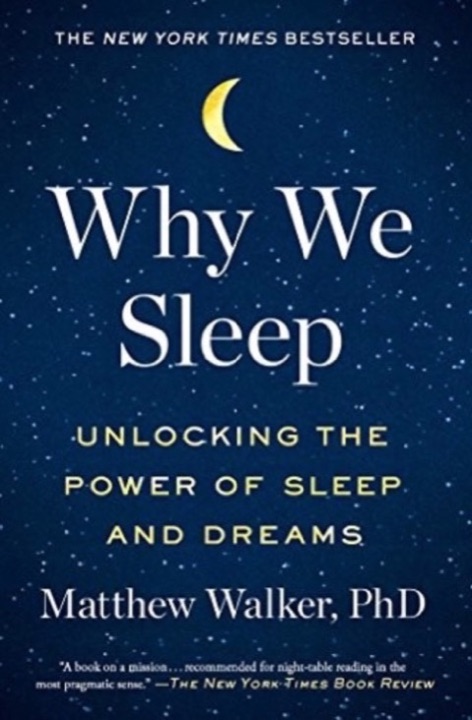
Why We Sleep: Unlocking the Power of Sleep and Dreams
Applying the lessons from "Why We Sleep: Unlocking the Power of Sleep and Dreams" by Matthew Walker to your life can enhance your overall well-being and help you achieve your goals. Here are some tailored suggestions based on the book's insights and your personal narrative:
-
Prioritize Sleep: Given your busy schedule and early start to the day, ensure you're getting enough sleep each night. Aim for 7-9 hours to support your physical and mental health, which is crucial for maintaining your active lifestyle and responsibilities.
-
Establish a Sleep Routine: Create a consistent sleep schedule by going to bed and waking up at the same time every day, even on weekends. This will help regulate your circadian rhythm and improve sleep quality.
-
Optimize Your Sleep Environment: Make your bedroom conducive to sleep by keeping it cool, dark, and quiet. Consider using blackout curtains and a white noise machine if necessary. This will help you get the restorative sleep you need to support your demanding routine.
-
Limit Screen Time Before Bed: Reduce exposure to screens and artificial light at least an hour before bedtime to prevent disruption of your sleep cycle. Instead, engage in relaxing activities like reading or meditating.
-
Be Mindful of Sleep Disruptors: Avoid caffeine and alcohol in the hours leading up to bedtime, as they can interfere with your sleep patterns. This is especially important given your early morning workouts and busy days.
-
Consider Non-Pharmacological Sleep Aids: If you experience sleep difficulties, explore natural remedies and behavioral interventions, such as cognitive-behavioral therapy for insomnia (CBT-I), before considering medication.
-
Advocate for Sleep Awareness: As someone who values kindness and empathy, you can promote the importance of sleep within your social and professional circles. Encourage others to prioritize sleep for better health and productivity.
-
Reflect on Your Sleep Needs: Given your belief in living life to the fullest and your aspiration to live to 130, recognize that quality sleep is a key component of longevity and vitality. Make it a priority to support your long-term goals.
By integrating these sleep practices into your life, you can enhance your resilience, maintain your health, and continue to pursue your passions and aspirations with vigor.
What the book covers
"Why We Sleep: Unlocking the Power of Sleep and Dreams" by Matthew Walker is a comprehensive exploration of the science of sleep and its vital role in our health and well-being. Walker, a neuroscientist and sleep expert, delves into the various aspects of sleep, from its evolutionary origins to its impact on our physical and mental health. Here is a thorough summary of the book, along with key takeaways and lessons:
Summary
Introduction
Walker begins by highlighting the importance of sleep, a biological necessity that is often undervalued in modern society. He emphasizes that sleep is not just a passive state but an active process that is crucial for various physiological and psychological functions.
Part 1: This Thing Called Sleep
- The Sleep Cycle: Walker explains the two main types of sleep: Rapid Eye Movement (REM) and Non-REM (NREM) sleep. He describes the sleep cycle, which alternates between these stages throughout the night, and how each stage serves different functions.
- Circadian Rhythms: The book discusses the body's internal clock, which regulates sleep-wake cycles, and how it is influenced by external factors like light and temperature.
- Sleep Across the Lifespan: Walker explores how sleep patterns change from infancy to old age, highlighting the unique sleep needs at different life stages.
Part 2: Why Should You Sleep?
- Sleep and the Brain: The book delves into how sleep enhances brain function, including memory consolidation, learning, and emotional regulation. Walker discusses the detrimental effects of sleep deprivation on cognitive performance and mental health.
- Sleep and the Body: Walker examines the relationship between sleep and physical health, including its role in immune function, metabolism, and cardiovascular health. He presents evidence linking insufficient sleep to various health issues, such as obesity, diabetes, and heart disease.
Part 3: How and Why We Dream
- The Purpose of Dreams: Walker explores the mysterious world of dreams, particularly during REM sleep. He discusses theories about why we dream, including emotional processing and creativity enhancement.
- Nightmares and Disorders: The book addresses sleep disorders related to dreaming, such as nightmares and REM sleep behavior disorder, and their impact on health.
Part 4: From Sleeping Pills to Society Transformed
- The Dangers of Sleeping Pills: Walker warns against the use of sleeping pills, explaining their potential side effects and limited effectiveness. He advocates for natural sleep aids and behavioral interventions.
- Societal Implications: The book discusses the broader societal impact of sleep deprivation, including its effects on education, work productivity, and public safety. Walker calls for societal changes to prioritize sleep, such as later school start times and workplace policies that encourage healthy sleep habits.
Key Takeaways and Lessons
-
Prioritize Sleep: Sleep is a fundamental pillar of health, as important as diet and exercise. Prioritizing sleep can lead to significant improvements in physical and mental well-being.
-
Understand Sleep Needs: Recognize that sleep needs vary across the lifespan and individual differences. Aim for 7-9 hours of sleep per night for optimal health.
-
Create a Sleep-Conducive Environment: Establish a regular sleep schedule, create a comfortable sleep environment, and limit exposure to screens and artificial light before bedtime.
-
Avoid Sleep Disruptors: Minimize caffeine and alcohol intake, especially in the hours leading up to bedtime, as they can disrupt sleep patterns.
-
Be Cautious with Sleeping Pills: Consider non-pharmacological approaches to improve sleep quality, such as cognitive-behavioral therapy for insomnia (CBT-I), before resorting to medication.
-
Advocate for Societal Change: Support policies and practices that promote healthy sleep habits, such as flexible work hours and later school start times.
In conclusion, "Why We Sleep" underscores the critical importance of sleep for overall health and well-being. Walker's insights and recommendations provide a compelling case for re-evaluating our relationship with sleep and making it a priority in our lives.