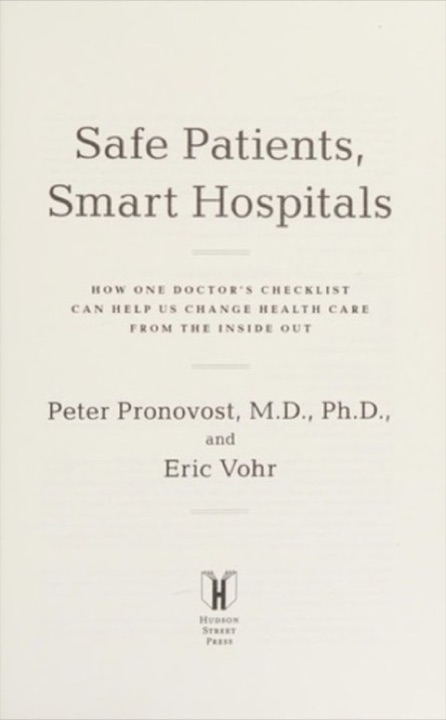
Safe Patients, Smart Hospitals
Applying the lessons from "Safe Patients, Smart Hospitals" by Peter Pronovost to your life can be both insightful and transformative, given your background and values. Here are some ways you might integrate these lessons:
-
Embrace Simplicity and Consistency: - Just as Pronovost advocates for the use of checklists to improve patient safety, you can apply this principle to your daily routines and hobbies. For instance, creating checklists for your flying activities or exercise routines could enhance safety and consistency.
-
Foster Cultural Change: - You value kindness and empathy, which aligns with Pronovost's emphasis on changing hospital culture. In your interactions, whether personal or professional, continue to promote open communication and teamwork, encouraging others to share their perspectives and collaborate effectively.
-
Leverage Data for Improvement: - Use data-driven approaches to evaluate your personal growth and decision-making. For example, track your fitness progress or analyze your daily routines to identify areas for improvement, much like how Pronovost uses data to enhance patient safety.
-
Prioritize Collaboration and Leadership: - As someone who values loyalty and friendship, continue to foster collaboration in your relationships and professional endeavors. Lead by example, demonstrating resilience and humor, and encourage others to work together towards common goals.
-
Adopt a Global Perspective: - Given your interest in social issues and activism, consider how the lessons from the book can be applied to broader societal challenges. Advocate for systemic changes and support initiatives that promote equality and safety in various contexts.
-
Focus on Personal Growth: - Pronovost's emphasis on continuous improvement aligns with your mindset of being in a constant state of beta. Continue to seek opportunities for learning and growth, whether through new experiences like skydiving or by engaging with diverse perspectives.
-
Emphasize Leadership in Crisis: - Your calm demeanor in stressful situations mirrors the importance of leadership in emergencies. Continue to apply this strength in both personal and professional settings, ensuring that you remain a steady presence during challenging times.
By integrating these lessons into your life, you can enhance your personal and professional endeavors, aligning with your core values of kindness, empathy, and resilience.
What the book covers
"Safe Patients, Smart Hospitals" by Peter Pronovost is a compelling exploration of the challenges and solutions in improving patient safety within the healthcare system. Pronovost, a renowned physician and researcher, shares his journey and insights into transforming hospitals into safer environments for patients through innovative practices and systemic changes.
Summary:
-
Background and Motivation: - Pronovost begins by highlighting the alarming rates of medical errors and preventable deaths in hospitals. He shares personal anecdotes and case studies that underscore the urgent need for reform in patient safety practices.
-
The Checklist Revolution: - A significant portion of the book is dedicated to the development and implementation of the checklist protocol in hospitals. Inspired by practices in aviation, Pronovost introduces checklists as a simple yet effective tool to ensure consistency and safety in medical procedures, particularly in intensive care units (ICUs).
-
Cultural and Systemic Barriers: - Pronovost discusses the cultural resistance and systemic barriers he faced when introducing new safety protocols. He emphasizes the importance of changing the hierarchical culture in hospitals to encourage open communication and teamwork among healthcare professionals.
-
Case Studies and Success Stories: - The book includes numerous case studies and success stories from hospitals that adopted Pronovost’s methods. These examples illustrate the dramatic reductions in infection rates and improvements in patient outcomes, demonstrating the effectiveness of the checklist approach.
-
Data-Driven Improvements: - Pronovost advocates for the use of data and metrics to drive improvements in patient safety. He explains how collecting and analyzing data can help identify problem areas and track the success of interventions.
-
Collaboration and Leadership: - The author stresses the importance of collaboration among healthcare providers, administrators, and policymakers. He also highlights the role of leadership in fostering a culture of safety and accountability.
-
Broader Implications for Healthcare: - Pronovost expands the discussion to the broader implications of patient safety on healthcare systems globally. He calls for systemic changes and increased investment in safety initiatives to create a more reliable and efficient healthcare system.
Key Takeaways and Lessons:
-
Simplicity and Consistency: Simple tools like checklists can have a profound impact on improving safety and consistency in healthcare practices.
-
Cultural Change is Crucial: Overcoming cultural resistance and fostering an environment of open communication and teamwork are essential for implementing safety improvements.
-
Leadership Matters: Strong leadership is necessary to drive change and maintain a focus on patient safety.
-
Data Utilization: Using data to monitor and evaluate safety practices helps in identifying issues and measuring the success of interventions.
-
Collaboration is Key: Effective collaboration among all stakeholders in the healthcare system is vital for achieving sustainable improvements in patient safety.
-
Global Perspective: Patient safety is a global issue, and lessons learned from successful interventions can be applied across different healthcare systems worldwide.
Overall, "Safe Patients, Smart Hospitals" serves as both a call to action and a practical guide for healthcare professionals and institutions aiming to enhance patient safety and quality of care.