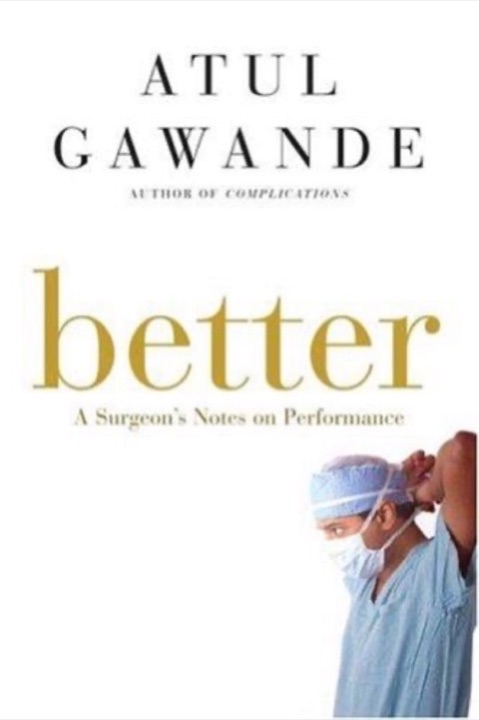
Better
Applying the lessons from Atul Gawande's "Better: A Surgeon's Notes on Performance" to your life can be a meaningful way to enhance personal growth and contribute positively to the world around you. Here are some ways you might integrate these lessons:
-
Commitment to Improvement: Embrace a mindset of continuous improvement in all areas of your life. Whether it's in your hobbies, relationships, or professional endeavors, strive to learn and grow. Reflect on your experiences, both successes and failures, and use them as opportunities for learning and development.
-
Importance of Diligence: Apply diligence to your daily routines and interactions. For example, in your exercise regimen or when spending time with your grandchild, focus on being present and attentive. This attention to detail can enhance the quality of your experiences and relationships.
-
Ethical Practice: Continue to navigate ethical dilemmas with kindness and empathy, as you already do. In your advocacy work and interactions with others, prioritize ethical decision-making and consider the broader impact of your actions on society.
-
Role of Ingenuity: Leverage your creativity and adaptability to find innovative solutions to challenges you encounter. Whether it's in your professional life or personal projects, think outside the box and be open to new ideas and approaches.
-
Cultural Change: Advocate for cultural shifts in areas you are passionate about, such as equality and civil rights. Use your voice and influence to promote open communication, acceptance, and positive change in your community and beyond.
-
Learning from Failure: Embrace failures as valuable learning experiences. Reflect on past mistakes and consider how they have shaped you into the resilient and empathetic person you are today. Use these insights to guide your future actions and decisions.
By integrating these lessons into your life, you can continue to strive for excellence, foster meaningful connections, and make a positive impact on the world around you.
What the book covers
"Better: A Surgeon's Notes on Performance" by Atul Gawande is a compelling exploration of the complexities and challenges of medical practice, focusing on the pursuit of improvement and excellence in healthcare. Gawande, a surgeon and writer, uses a series of essays to delve into various aspects of medical performance, offering insights and reflections on how doctors and healthcare systems can strive to do better.
Summary:
The book is divided into three main sections: Diligence, Doing Right, and Ingenuity. Each section contains essays that explore different facets of medical practice and the pursuit of better performance.
1. Diligence:
In this section, Gawande emphasizes the importance of diligence in medical practice. He discusses how attention to detail and persistence can significantly impact patient outcomes. One of the key essays here is about the fight against hospital-acquired infections, where Gawande illustrates how simple measures, like handwashing, can prevent infections and save lives. He highlights the challenges of implementing these measures consistently and the need for a cultural shift in hospitals to prioritize such basic yet crucial practices.
2. Doing Right:
This section explores the ethical dimensions of medical practice. Gawande examines the moral dilemmas that healthcare professionals face, such as balancing the need to provide care with the limitations of resources. He discusses the complexities of medical malpractice and the impact it has on both patients and doctors. Through stories and case studies, Gawande illustrates the importance of empathy, communication, and ethical decision-making in medicine.
3. Ingenuity:
In the final section, Gawande focuses on innovation and creativity in medicine. He shares stories of individuals and teams who have found ingenious solutions to medical problems, often with limited resources. From the development of new surgical techniques to the implementation of effective public health strategies, Gawande highlights the role of creativity and adaptability in advancing medical practice.
Key Takeaways and Lessons:
-
Commitment to Improvement: Gawande emphasizes that the pursuit of better performance in medicine requires a relentless commitment to improvement. This involves not only adopting new technologies and techniques but also refining existing practices and learning from mistakes.
-
Importance of Diligence: Simple, diligent actions, such as hand hygiene, can have a profound impact on patient outcomes. Consistency and attention to detail are crucial in preventing errors and improving care.
-
Ethical Practice: Navigating ethical dilemmas is an inherent part of medical practice. Healthcare professionals must balance competing interests and make decisions that prioritize patient welfare while considering resource constraints.
-
Role of Ingenuity: Innovation is essential for progress in healthcare. Creative problem-solving and adaptability can lead to significant advancements, even in resource-limited settings.
-
Cultural Change: Achieving better performance often requires a cultural shift within healthcare organizations. Encouraging open communication, teamwork, and a willingness to embrace change are vital for fostering an environment of continuous improvement.
-
Learning from Failure: Mistakes are inevitable in medicine, but they provide valuable learning opportunities. Embracing a culture that acknowledges and learns from errors can lead to better practices and outcomes.
Overall, "Better" is a thought-provoking examination of the challenges and opportunities in medical practice. Gawande's insights encourage healthcare professionals to strive for excellence and remind readers of the profound impact that diligence, ethics, and innovation can have on patient care.