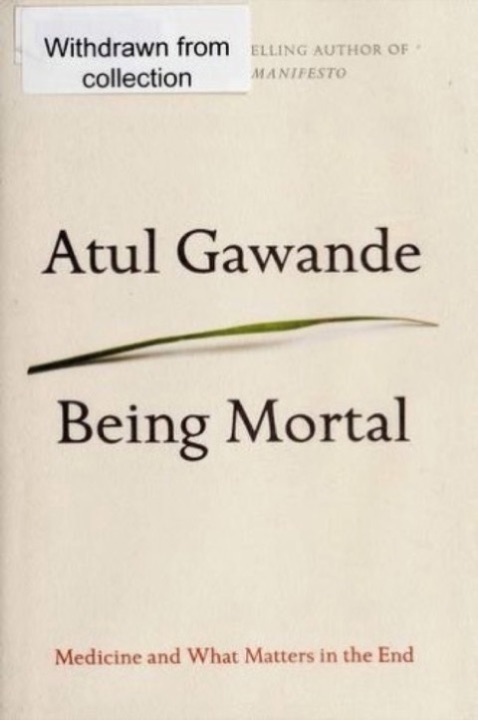
Being Mortal
Applying the lessons from "Being Mortal" by Atul Gawande to your life can enhance your approach to aging, end-of-life care, and overall well-being. Here are some ways you might integrate these insights:
-
Prioritize Quality of Life: Reflect on how you can focus more on the quality of your experiences rather than just extending them. This might involve spending more time on activities that bring you joy, like flying, reading, or spending time with your grandchild, and less on things that don't align with your values.
-
Embrace Autonomy: Continue to make choices that align with your values and beliefs, ensuring that you maintain control over your life decisions. This could involve planning for the future in a way that respects your wishes and autonomy, such as discussing your end-of-life preferences with loved ones.
-
Engage in Open Conversations: Given your direct communication style, ensure you have open and honest discussions with your family about your end-of-life wishes. This can help ensure that your preferences are respected and that your family is prepared to support you in the way you desire.
-
Consider Palliative Care: As you think about the future, consider the role of palliative care in maintaining comfort and quality of life. This aligns with your belief in living life fully and could be an important aspect of your healthcare planning.
-
Reflect on Personal Growth: Use your experiences, such as surviving plane crashes and your work in the emergency department, to continually reflect on what truly matters to you. This can help you stay focused on your core values of kindness and empathy.
-
Advocate for Elder Care Reform: Given your passion for social issues, you might find ways to advocate for better elder care practices that promote dignity and autonomy, aligning with the book's call for reform.
-
Live in the Moment: Work towards your aspiration of living in the moment by practicing mindfulness and being present in your daily activities. This can help you appreciate the small joys in life and reduce stress.
-
Plan for the Future: While you have a hunch about your future, consider making practical plans that align with your values and beliefs, ensuring that you live life on your terms.
-
Reflect on Mortality: Use your belief in reincarnation and the lessons from the book to reflect on mortality in a way that brings peace and acceptance, rather than fear.
By integrating these lessons, you can continue to live a life that is fulfilling, meaningful, and aligned with your deepest values and beliefs.
What the book covers
"Being Mortal: Medicine and What Matters in the End" by Atul Gawande is a profound exploration of the intersection between medicine, aging, and end-of-life care. Gawande, a surgeon and public health researcher, delves into the limitations of modern medicine in addressing the realities of aging and mortality. Through personal anecdotes, case studies, and research, he examines how the medical field often prioritizes prolonging life over the quality of life, sometimes to the detriment of patients' well-being.
Summary:
-
The Medicalization of Aging and Death: Gawande begins by discussing how the medical profession tends to focus on treating diseases and extending life, often overlooking the importance of quality of life for the elderly and terminally ill. He argues that this approach can lead to unnecessary suffering and a loss of autonomy for patients.
-
The Evolution of Elder Care: The book traces the history of elder care, highlighting the shift from multigenerational households to institutionalized care in nursing homes. Gawande critiques the often impersonal and regimented nature of these institutions, which can strip individuals of their dignity and independence.
-
The Role of Autonomy: A central theme in the book is the importance of autonomy and control over one's life, especially in the face of aging and terminal illness. Gawande emphasizes that people value having a sense of purpose and the ability to make their own choices, even as they near the end of life.
-
Palliative Care and Hospice: Gawande explores the benefits of palliative care and hospice, which focus on comfort and quality of life rather than aggressive treatments. He shares stories of patients who found peace and fulfillment through these approaches, underscoring the need for more widespread adoption of such care.
-
Conversations About End-of-Life Wishes: The book stresses the importance of having honest conversations about end-of-life wishes with loved ones and healthcare providers. Gawande provides guidance on how to discuss these sensitive topics, advocating for clear communication about what matters most to individuals as they approach the end of life.
-
Personal Stories: Throughout the book, Gawande shares personal stories, including his own experiences with his father's illness and death. These narratives illustrate the emotional complexities and difficult decisions faced by patients and families, making the book both relatable and poignant.
Key Takeaways and Lessons:
-
Quality Over Quantity: The book emphasizes the importance of prioritizing quality of life over merely extending life, especially when facing terminal illness or advanced age.
-
The Need for Reform in Elder Care: Gawande calls for a reevaluation of how society cares for the elderly, advocating for environments that promote autonomy, dignity, and purpose.
-
Importance of Communication: Open and honest discussions about end-of-life preferences are crucial for ensuring that individuals' wishes are respected and that they receive the care they desire.
-
Embracing Palliative Care: The book highlights the benefits of palliative care and hospice, encouraging a shift in focus from curative treatments to comfort and quality of life.
-
Redefining Success in Medicine: Gawande challenges the medical community to redefine success, not as the absence of disease, but as the presence of well-being, even in the face of mortality.
"Being Mortal" is a thought-provoking and compassionate examination of how we approach aging and death, urging readers to consider what truly matters in the end.