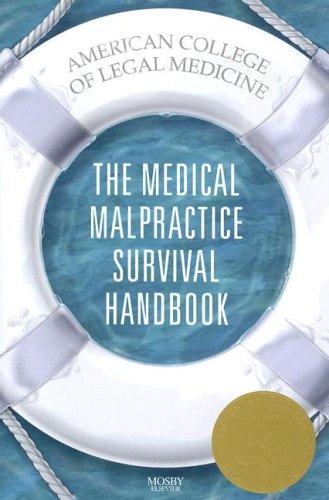
Medical Malpractice Survival Guide
Applying the lessons from "The Medical Malpractice Survival Guide" to your life can be beneficial, even if you're not directly involved in a medical malpractice situation. Here are some ways you might incorporate the guide's principles into your life:
-
Proactive Health Management: - Given your proactive approach to life, continue to be vigilant about your health and medical care. Keep detailed records of any medical treatments or interactions, just as you do with your daily routines and achievements.
-
Seek Expertise: - Just as you value expert legal advice in malpractice cases, apply this to other areas of your life. Whether it's financial planning, health, or personal development, seek out knowledgeable professionals to guide you.
-
Understand Your Rights: - Be aware of your rights in various aspects of life, not just healthcare. This knowledge can empower you to make informed decisions and advocate for yourself and your family.
-
Document Important Events: - Your life is filled with significant experiences and achievements. Documenting these can help you reflect on your journey and share your story with others, much like how you recount your personal anecdotes and life lessons.
-
Balance Settlement and Trial: - In life, weigh the pros and cons of settling for a situation versus pursuing a more challenging path. This could apply to career decisions, personal relationships, or any significant life choices.
-
Emotional and Practical Support: - Recognize the importance of emotional support, both for yourself and others. Your values of kindness and empathy align with providing support to those around you, especially in challenging times.
-
Stay Informed: - Continue your lifelong learning approach by staying informed about changes in areas that matter to you, whether it's technology, social issues, or personal interests.
-
Resilience and Adaptability: - Your resilience is a strength. Apply this to any setbacks or challenges you face, using them as opportunities for growth and learning, much like how you view failures as valuable lessons.
-
Advocacy and Activism: - Your passion for social issues can be furthered by advocating for patient rights and safety in healthcare, aligning with your broader commitment to equality and justice.
-
Communication and Decision-Making:
- Use your direct and humorous communication style to navigate difficult conversations, whether in personal or professional settings. Your decision-making approach, informed by past experiences and input from others, can be applied to various life situations.
By integrating these lessons into your life, you can continue to navigate challenges with the same resilience, kindness, and optimism that have defined your journey so far.
What the book covers
"The Medical Malpractice Survival Guide" is a comprehensive resource designed to help individuals navigate the complex and often daunting world of medical malpractice. While I don't have access to the book's specific content, I can provide a general overview of what such a guide typically covers and the key takeaways one might expect.
Overview
-
Understanding Medical Malpractice: - Definition and scope of medical malpractice. - Common types of medical errors, including misdiagnosis, surgical errors, and medication mistakes. - The legal framework governing medical malpractice claims.
-
The Legal Process: - Steps involved in filing a medical malpractice lawsuit. - The role of medical experts and the importance of expert testimony. - Understanding statutes of limitations and how they affect claims.
-
Building a Case: - Gathering and preserving medical records and evidence. - Identifying liable parties, including doctors, hospitals, and other healthcare providers. - The importance of documenting all interactions and treatments.
-
Working with Legal Professionals: - How to choose the right attorney specializing in medical malpractice. - Understanding contingency fees and other legal costs. - The attorney-client relationship and what to expect during the process.
-
Settlement vs. Trial: - The pros and cons of settling a case out of court. - What to expect during a trial if a settlement cannot be reached. - Factors influencing the decision to settle or proceed to trial.
-
Emotional and Practical Considerations: - Coping with the emotional impact of medical malpractice. - Practical tips for dealing with ongoing medical needs and financial challenges. - Support resources for patients and families.
Key Takeaways and Lessons
-
Be Proactive: Patients should be proactive in understanding their medical care and advocating for themselves. Keeping detailed records and asking questions can help prevent errors.
-
Seek Expert Legal Advice: Navigating a medical malpractice claim requires specialized legal expertise. Engaging a knowledgeable attorney early in the process is crucial.
-
Understand Your Rights: Patients have the right to safe and competent medical care. Understanding these rights empowers individuals to take action when standards are not met.
-
Document Everything: Thorough documentation of medical treatments, communications, and any adverse events is vital in building a strong case.
-
Consider All Options: Weigh the benefits and drawbacks of settling versus going to trial. Each option has significant implications for time, cost, and emotional stress.
-
Emotional Support is Essential: Dealing with medical malpractice can be emotionally taxing. Accessing support from friends, family, or professional counselors can be beneficial.
-
Stay Informed: Laws and regulations regarding medical malpractice can vary by jurisdiction and change over time. Staying informed about these changes is important for anyone involved in a claim.
This guide serves as a valuable tool for anyone affected by medical malpractice, providing the knowledge and resources needed to navigate the legal system effectively.