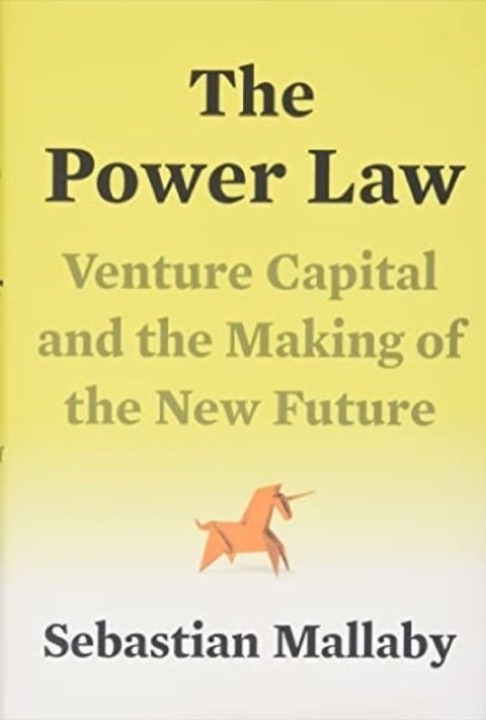
The Power Law: Venture Capital and the making of the New Future
Applying the lessons from "The Power Law: Venture Capital and the Making of the New Future" by Sebastian Mallaby to your life can be insightful, especially given your diverse experiences and interests. Here are some ways you might integrate these lessons:
-
Embrace the Power Law in Personal Ventures: Just as venture capitalists focus on identifying high-potential investments, you can apply the power law to your personal and professional endeavors. Focus on opportunities that have the potential for significant impact or personal growth, even if they come with higher risks. This could mean pursuing ambitious projects or taking calculated risks in areas you're passionate about, like flying or technology.
-
Identify and Support Visionary Ideas: Use your experience and intuition to identify promising ideas or individuals in your network. Whether it's mentoring someone with potential or investing time in a project that aligns with your values, supporting visionary ideas can lead to transformative outcomes.
-
Leverage Networking and Mentorship: Given your background and interests, continue to build and nurture your network. Offer mentorship to others, sharing your experiences and insights. This aligns with your values of kindness and empathy and can create a ripple effect of positive influence.
-
Adaptability and Resilience: Your life experiences, including near-death situations and personal challenges, have already demonstrated your resilience. Continue to embrace adaptability in the face of change, whether in your personal life, career, or hobbies. This mindset will help you navigate uncertainties and seize new opportunities.
-
Balance Profit and Purpose: Reflect on how you can balance personal achievements with broader societal impact. Your involvement in activism and advocacy work shows your commitment to social issues. Consider how you can further integrate these values into your daily life and decisions, ensuring that your actions align with your beliefs.
-
Explore Global Perspectives: With your interest in travel and technology, consider how you can engage with global perspectives and innovations. This could involve learning from different cultures or exploring how technological advancements are being applied worldwide.
-
Lifelong Learning and Growth: Your philosophy of being in a constant state of beta aligns well with the venture capital mindset of continuous learning and adaptation. Keep seeking new knowledge and experiences, whether through reading, traveling, or trying new activities like skydiving.
By applying these lessons, you can continue to live a life that is both fulfilling and impactful, aligning with your core values and aspirations.
What the book covers
"The Power Law: Venture Capital and the Making of the New Future" by Sebastian Mallaby is an in-depth exploration of the venture capital (VC) industry and its profound impact on the technology sector and the broader economy. Mallaby, a seasoned journalist and author, delves into the history, mechanics, and influence of venture capital, offering insights into how this unique form of financing has shaped innovation and entrepreneurship.
Summary:
Historical Context and Evolution:
- Origins of Venture Capital: The book traces the origins of venture capital back to the mid-20th century, highlighting key figures and firms that laid the groundwork for the industry. It discusses the role of pioneers like Arthur Rock and firms like Kleiner Perkins and Sequoia Capital in establishing the foundations of VC.
- Silicon Valley's Rise: Mallaby examines how venture capital fueled the growth of Silicon Valley, turning it into a global hub for technology and innovation. The symbiotic relationship between VCs and tech entrepreneurs is explored, showing how they collectively drove the digital revolution.
Mechanics of Venture Capital:
- The Power Law: A central theme of the book is the "power law" distribution of returns in venture capital, where a small number of investments yield the majority of returns. This concept explains the high-risk, high-reward nature of VC investing and the focus on identifying potential "unicorns"—startups valued at over $1 billion.
- Investment Strategies: Mallaby delves into the strategies employed by successful venture capitalists, including the importance of networking, mentorship, and the ability to identify and nurture visionary entrepreneurs.
Case Studies and Key Players:
- Influential Figures: The book profiles influential venture capitalists and entrepreneurs, such as Don Valentine, John Doerr, and Peter Thiel, examining their contributions to the industry and their role in backing transformative companies like Apple, Google, and Facebook.
- Successes and Failures: Through detailed case studies, Mallaby illustrates both the triumphs and failures in the VC world, providing insights into the factors that contribute to a startup's success or demise.
Impact on Innovation and Society:
- Economic and Social Influence: Mallaby discusses the broader impact of venture capital on the economy and society, highlighting how it has driven technological advancements and economic growth. He also addresses criticisms of the industry, such as its role in fostering inequality and its focus on profit over social good.
- Global Expansion: The book explores the globalization of venture capital, examining how the model has been adapted and adopted in different regions around the world, including China and Europe.
Key Takeaways and Lessons:
-
Understanding the Power Law: The power law is a fundamental concept in venture capital, emphasizing the importance of outlier successes. Investors must be willing to take significant risks to achieve outsized returns.
-
The Role of Visionary Entrepreneurs: Successful venture capitalists are adept at identifying and supporting visionary entrepreneurs who have the potential to disrupt industries and create new markets.
-
Networking and Mentorship: Building strong networks and providing mentorship are crucial components of the VC model, enabling startups to access resources, expertise, and guidance.
-
Adaptability and Resilience: Both venture capitalists and entrepreneurs must be adaptable and resilient, capable of navigating the uncertainties and challenges inherent in the startup ecosystem.
-
Balancing Profit and Purpose: While venture capital has been a driving force for innovation, there is an ongoing debate about its focus on financial returns versus broader societal impact. The industry faces pressure to balance profit with purpose, addressing issues like inequality and sustainability.
-
Global Dynamics: The globalization of venture capital presents both opportunities and challenges, as different regions adapt the model to their unique cultural and economic contexts.
Overall, "The Power Law" provides a comprehensive look at the venture capital industry, offering valuable insights into its mechanisms, influence, and future trajectory. Mallaby's analysis underscores the critical role of venture capital in shaping the modern world, while also prompting reflection on its implications for society.