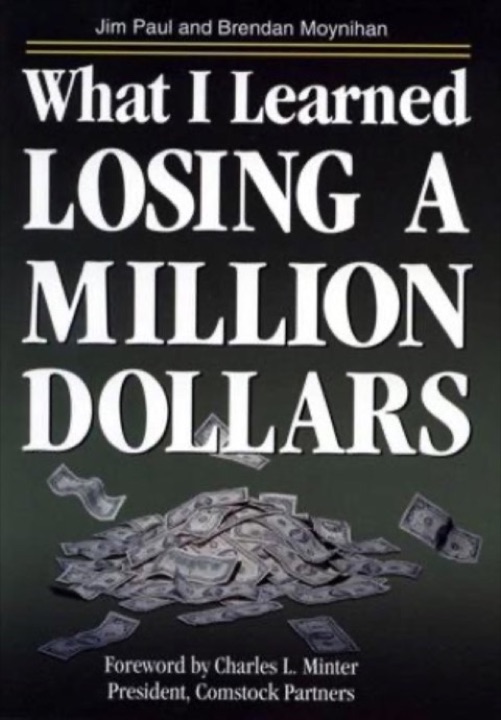
What I Learned Losing a Million Dollars
Applying the lessons from "What I Learned Losing a Million Dollars" to your life involves integrating the book's insights on risk management, emotional discipline, and self-awareness into your personal and professional experiences. Here’s how you might do that:
-
Self-Awareness and Emotional Management: Reflect on your emotional triggers and biases, especially in high-stakes situations like your experiences with plane crashes. Recognize when emotions like fear or overconfidence might cloud your judgment, and practice detaching emotionally to make more rational decisions.
-
Risk Management: Just as the book emphasizes controlling losses over chasing gains, apply this principle to your life by prioritizing safety and risk assessment in your flying and other adventurous activities. Set boundaries and limits to ensure you’re prepared for unexpected challenges.
-
Learning from Mistakes: Embrace your past failures and near-misses as valuable learning experiences. Analyze what went wrong and how you can avoid similar pitfalls in the future. This aligns with your belief that failures have helped shape who you are today.
-
Avoiding Overconfidence: Stay grounded and humble, even when you achieve success or overcome significant challenges. Recognize that past successes don’t guarantee future outcomes, and remain open to learning and adapting.
-
Accepting Uncertainty: Acknowledge that life, like the markets, is unpredictable. Be prepared for uncertainty and adapt your plans and actions accordingly. This mindset can help you navigate personal and professional challenges with resilience.
-
Emotional Discipline: Practice emotional discipline in your interactions and decision-making processes. Whether in emergency situations or everyday life, strive to remain calm and composed, as you’ve done in high-pressure environments.
-
Continuous Improvement: Use the book’s lessons to reinforce your commitment to lifelong learning and personal growth. Evaluate your actions and decisions regularly, and seek opportunities to improve and evolve.
-
Balancing Impulsivity: Given your self-identified weakness of impulsivity, apply the book’s emphasis on discipline to balance your spontaneous nature with thoughtful consideration, especially in decision-making.
By integrating these lessons into your life, you can enhance your ability to navigate challenges, make informed decisions, and continue growing personally and professionally.
What the book covers
"What I Learned Losing a Million Dollars" by Jim Paul and Brendan Moynihan is a unique exploration of the psychological and emotional aspects of trading and investing. Unlike many books that focus on how to make money in the markets, this book delves into the lessons learned from losing money, specifically through the personal story of Jim Paul, who lost a fortune in the commodities market.
Summary:
Part One: Jim Paul's Story
- Background: Jim Paul shares his journey from a modest upbringing to becoming a successful trader. His early career was marked by rapid success, which led to overconfidence.
- The Rise: Paul quickly climbed the ranks in the commodities trading world, eventually landing a prestigious position at a major firm. His success was fueled by a series of profitable trades, which he attributed to his skill and intelligence.
- The Fall: Paul's downfall began with a series of poor decisions, exacerbated by his inability to manage risk and his emotional attachment to his positions. His overconfidence led him to ignore warning signs and advice from others.
- The Loss: Ultimately, Paul lost a significant amount of money, which not only affected his financial standing but also his personal and professional life. This loss forced him to confront the reasons behind his failure.
Part Two: Analysis and Lessons
- Psychological Factors: The book delves into the psychological factors that contribute to trading losses, such as ego, fear, and greed. Paul and Moynihan emphasize that these emotions can cloud judgment and lead to irrational decision-making.
- Market Myths: The authors debunk several myths about the market, such as the idea that there is a foolproof system for making money. They argue that markets are inherently unpredictable and that success often involves a degree of luck.
- Risk Management: A key takeaway is the importance of risk management. The authors stress that controlling losses is more crucial than chasing gains. They advocate for setting strict stop-loss orders and adhering to them.
- Emotional Discipline: The book highlights the necessity of emotional discipline in trading. Successful traders are those who can detach their emotions from their trading decisions and stick to a well-defined plan.
- Learning from Losses: Paul and Moynihan argue that losses can be valuable learning experiences. By analyzing what went wrong, traders can avoid making the same mistakes in the future.
Key Takeaways and Lessons:
- Understand Yourself: Self-awareness is crucial in trading. Recognize your emotional triggers and biases to prevent them from influencing your decisions.
- Risk Management: Always prioritize managing risk over seeking profits. Protecting your capital should be your primary concern.
- Detach Emotionally: Develop the ability to make decisions based on logic and analysis rather than emotions. This requires discipline and a well-defined trading plan.
- Learn from Mistakes: Use losses as opportunities to learn and improve. Analyze your failures to understand what went wrong and how to avoid similar pitfalls.
- Avoid Overconfidence: Success can breed overconfidence, which can lead to reckless behavior. Stay humble and grounded, regardless of past successes.
- Market Unpredictability: Accept that markets are unpredictable and that there is no guaranteed way to make money. Be prepared for uncertainty and adapt accordingly.
In conclusion, "What I Learned Losing a Million Dollars" offers valuable insights into the psychological challenges of trading and the importance of risk management. By sharing his personal story, Jim Paul provides a cautionary tale that underscores the need for emotional discipline and self-awareness in the pursuit of financial success.