Extreme Ownership
Applying the lessons from "Extreme Ownership" by Jocko Willink to your life can enhance your leadership skills and personal growth. Here’s how you might integrate these principles:
-
Embrace Extreme Ownership: - Reflect on your experiences, especially those near-death situations, and take full responsibility for your actions and decisions. This mindset can reinforce your belief in having more to accomplish and drive you to take decisive actions in your personal and professional life.
-
No Bad Teams, Only Bad Leaders: - As someone who values kindness and empathy, focus on how you can lead by example in your family, friendships, and professional settings. Encourage collaboration and support among those around you, ensuring that you foster a positive and effective environment.
-
Believe in Your Mission: - Whether it's your advocacy work or personal aspirations like living in the moment, ensure you deeply believe in your goals. Convey this belief to those around you to inspire and motivate them.
-
Check the Ego: - While you have a strong sense of humor and resilience, be mindful of how ego might affect your interactions. Stay open to feedback and continuously seek improvement.
-
Cover and Move: - Apply teamwork principles in your advocacy efforts and family life. Encourage open communication and collaboration to achieve common goals, whether it's addressing social issues or planning family activities.
-
Keep It Simple: - Simplify your plans and communication, especially when dealing with complex issues or making decisions. This clarity can help you and others stay focused and aligned.
-
Prioritize and Execute: - With your busy routine and varied interests, prioritize tasks that align with your core values and goals. Execute them with focus and determination, ensuring you make progress on what truly matters.
-
Decentralized Command: - Empower those around you, like your children or colleagues, to take initiative and make decisions. This approach can foster independence and adaptability in your personal and professional circles.
-
Plan Effectively: - Given your structured daily routine, apply effective planning to new endeavors, such as your aspiration to skydive or your advocacy work. Proper planning can lead to successful outcomes.
-
Lead Up and Down the Chain of Command:
- Communicate effectively with both superiors and subordinates in your professional life. In personal relationships, ensure open dialogue with family and friends, valuing their input and perspectives.
-
Decisiveness amid Uncertainty:
- Your ability to remain calm in stressful situations is a strength. Use this to make informed decisions even when faced with uncertainty, drawing on your past experiences and analytical skills.
-
Discipline Equals Freedom:
- Your disciplined routine already reflects this principle. Continue to apply discipline in new areas, such as learning to play the guitar or pursuing skydiving, to gain the freedom to enjoy these activities fully.
By integrating these principles into your life, you can enhance your leadership abilities, foster personal growth, and continue to make a positive impact on those around you.
What the book covers
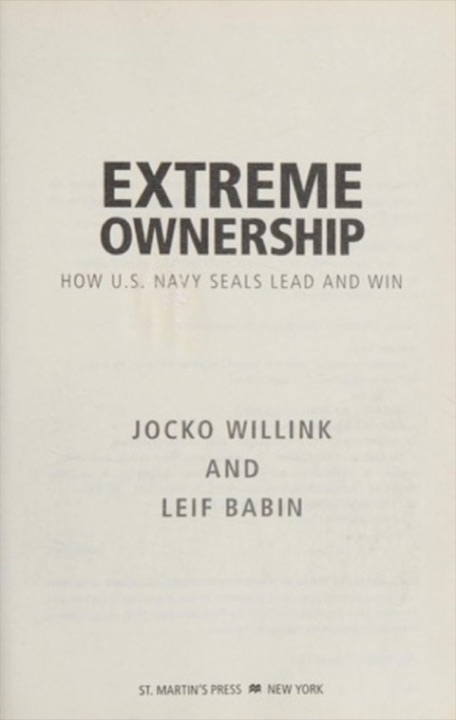
"Extreme Ownership: How U.S. Navy SEALs Lead and Win" by Jocko Willink and Leif Babin is a leadership book that draws on the authors' experiences as Navy SEAL officers. The book is structured around a series of combat experiences from their time in Iraq, particularly during the Battle of Ramadi, and translates these experiences into lessons for leadership and management in any organization.
Summary:
-
Introduction to Extreme Ownership: - The core concept of the book is "Extreme Ownership," which means taking complete responsibility for everything in your world, including the outcome and the actions of your team. Leaders must own their mistakes and failures and take decisive action to solve problems.
-
Combat and Business: - Each chapter begins with a combat story that illustrates a leadership principle. This is followed by an explanation of the principle and how it applies to business and life.
-
Key Principles: - Extreme Ownership: Leaders must own everything in their world. There is no one else to blame. - No Bad Teams, Only Bad Leaders: The performance of a team is a reflection of its leadership. - Believe: Leaders must believe in the mission and convey that belief to their team. - Check the Ego: Ego can cloud judgment and hinder effective decision-making. - Cover and Move: Teamwork is crucial. Departments and individuals must work together to achieve the mission. - Simple: Plans and communication must be simple and clear to be effective. - Prioritize and Execute: Leaders must determine the highest priority task and execute it. - Decentralized Command: Empower junior leaders to make decisions, fostering initiative and adaptability. - Plan: Proper planning is essential to mission success. - Leading Up and Down the Chain of Command: Leaders must communicate effectively with both superiors and subordinates. - Decisiveness amid Uncertainty: Leaders must be able to make decisions even when they lack complete information. - Discipline Equals Freedom: Discipline in processes and routines leads to greater freedom and efficiency.
Key Takeaways and Lessons:
-
Responsibility and Accountability: - Leaders must take full responsibility for their team's outcomes. This fosters a culture of accountability and trust.
-
Adaptability and Flexibility: - Leaders must be adaptable and flexible, able to adjust plans and strategies as situations change.
-
Communication: - Clear and concise communication is vital. It ensures that everyone understands the mission and their role in it.
-
Teamwork: - Success depends on the ability of the team to work together. Leaders must break down silos and encourage collaboration.
-
Empowerment: - By empowering team members to make decisions, leaders can create a more dynamic and responsive organization.
-
Continuous Improvement: - Leaders should constantly seek to improve themselves and their teams, learning from mistakes and successes alike.
-
Balance: - Effective leadership requires balancing competing priorities and making trade-offs to achieve the best outcomes.
"Extreme Ownership" emphasizes that leadership is not about rank or position but about taking responsibility and leading by example. The principles outlined in the book are applicable not only in military settings but also in business, sports, and personal life, making it a valuable resource for anyone looking to improve their leadership skills.