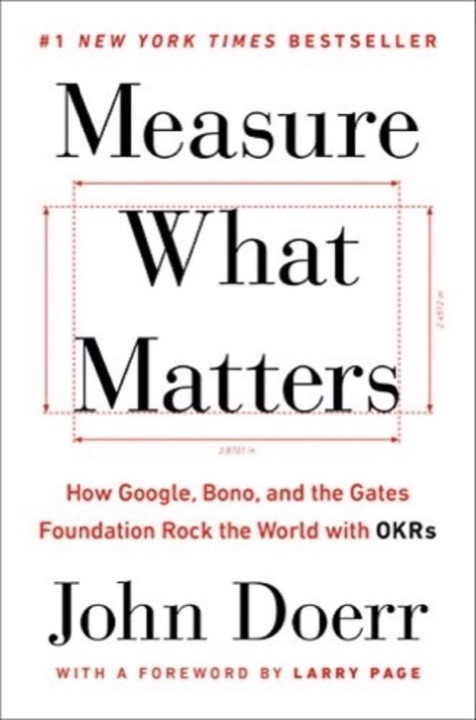
Measure What Matters: How Google, Bono, and the Gates Foundation Rock the World with OKRs
Applying the lessons from "Measure What Matters" to your life can help you achieve personal and professional goals with greater focus and alignment. Here’s how you might integrate the OKR framework into your life:
-
Define Personal Objectives: - Identify clear, meaningful objectives that align with your core values and aspirations. For example, if living in the moment is a goal, make it an objective.
-
Set Key Results: - Break down each objective into specific, measurable key results. For living in the moment, key results might include practicing mindfulness for 10 minutes daily, reducing screen time by 20%, or journaling about daily experiences.
-
Focus and Prioritize: - Use OKRs to prioritize what truly matters in your life. With your busy schedule, focusing on a few key objectives can help you manage your time and energy effectively.
-
Align with Family and Friends: - Share your objectives with your family and close friends to ensure alignment and support. This can foster a sense of connection and shared purpose, especially with your children, who are central to your life.
-
Track Progress and Accountability: - Regularly review your progress towards your key results. This could be a weekly or monthly check-in where you assess what’s working and what needs adjustment.
-
Embrace Ambitious Goals: - Set stretch goals that challenge you to grow and innovate. For instance, if skydiving is a dream, make it an objective with key results like researching locations, booking a session, and completing a jump by a specific date.
-
Adapt and Adjust: - Be flexible and willing to adjust your OKRs as circumstances change. Life is unpredictable, and being adaptable will help you stay focused on your core objectives.
-
Reflect and Learn: - Use your experiences, both successes and failures, as learning opportunities. Reflect on how your OKRs are helping you grow and make necessary changes to improve.
-
Incorporate Feedback: - Seek feedback from those you trust and use it to refine your objectives and key results. This aligns with your approach to handling criticism and can enhance your personal growth.
-
Celebrate Achievements:
- Acknowledge and celebrate when you achieve your key results. This reinforces positive behavior and motivates you to continue pursuing your objectives.
By applying the OKR framework to your life, you can create a structured approach to achieving your personal and professional goals while staying true to your values and aspirations.
What the book covers
"Measure What Matters: How Google, Bono, and the Gates Foundation Rock the World with OKRs" by John Doerr is a comprehensive guide to understanding and implementing the Objectives and Key Results (OKRs) framework, a goal-setting system that has been instrumental in the success of many high-profile organizations. The book is structured around real-world examples and case studies, illustrating how OKRs can drive focus, alignment, and engagement within teams and organizations.
Summary:
-
Introduction to OKRs: - OKRs are a simple yet powerful tool for setting and achieving goals. They consist of an Objective, which is a clearly defined goal, and Key Results, which are specific, measurable actions that will lead to the achievement of the objective. - The framework is designed to ensure that everyone in the organization is aligned and moving in the same direction.
-
History and Adoption: - John Doerr introduces OKRs through his experience at Intel, where he learned the system from Andy Grove. He later introduced OKRs to Google, where they became a foundational part of the company's success. - The book details how OKRs have been adopted by various organizations, including Google, Bono's ONE campaign, and the Gates Foundation, to drive significant impact.
-
Benefits of OKRs: - Focus and Commitment: OKRs help organizations focus on what truly matters by setting clear priorities. - Alignment and Connection: They ensure that all team members are aligned with the organization's goals, fostering a sense of connection and purpose. - Tracking and Accountability: OKRs provide a framework for tracking progress and holding individuals accountable for their contributions. - Stretching for Amazing: They encourage teams to set ambitious goals, pushing them to achieve more than they thought possible.
-
Implementation of OKRs: - The book provides a step-by-step guide on how to implement OKRs effectively, emphasizing the importance of setting clear, measurable, and time-bound objectives. - It highlights the need for regular check-ins and reviews to assess progress and make necessary adjustments.
-
Case Studies: - The book includes numerous case studies from companies like Google, Intuit, and the Gates Foundation, illustrating how OKRs have been used to drive innovation and achieve remarkable results. - Bono's ONE campaign is highlighted as an example of how OKRs can be applied beyond the corporate world to drive social change.
-
Challenges and Solutions: - Doerr addresses common challenges organizations face when implementing OKRs, such as setting unrealistic goals or failing to align objectives across teams. - He offers practical solutions and emphasizes the importance of leadership commitment and cultural change.
Key Takeaways and Lessons:
- Clarity and Simplicity: The power of OKRs lies in their simplicity and clarity. They force organizations to distill their goals into clear, actionable items.
- Ambitious Goals: Setting ambitious, "stretch" goals can drive innovation and motivate teams to achieve more than they initially thought possible.
- Transparency and Alignment: OKRs promote transparency and ensure that everyone in the organization is working towards the same objectives, fostering a culture of collaboration and shared purpose.
- Continuous Feedback: Regular check-ins and feedback loops are crucial for maintaining momentum and ensuring that teams stay on track.
- Adaptability: Organizations should be willing to adapt their OKRs as circumstances change, maintaining flexibility while staying focused on their core objectives.
Overall, "Measure What Matters" provides a compelling case for the adoption of OKRs as a strategic tool for driving organizational success. Through engaging stories and practical advice, John Doerr demonstrates how OKRs can transform the way organizations set and achieve their goals.